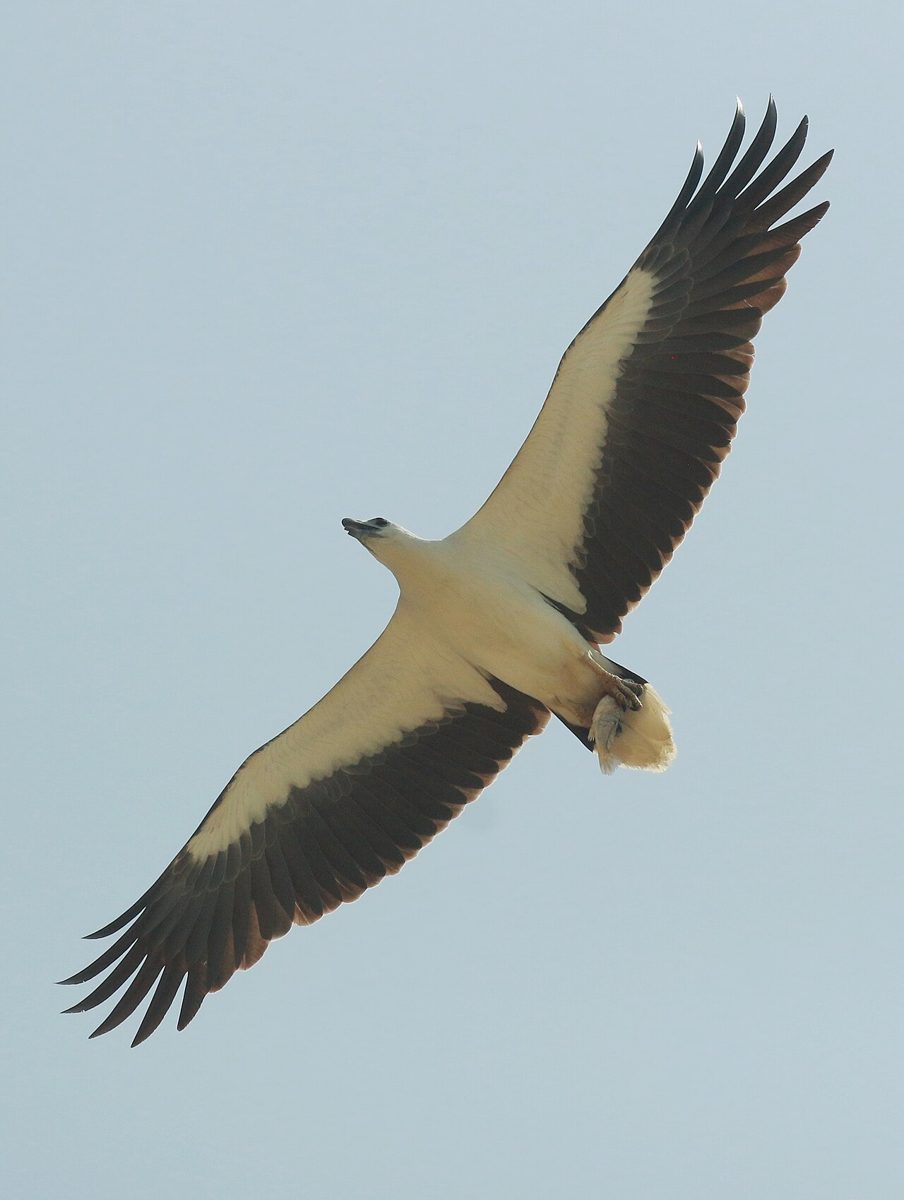
White-bellied sea eagle
Haliaeetus leucogaster
A large white and grey eagle of the coast. It nests on Netrani Island off Murudeshwar.
Photo: Shino jacob koottanad, CC BY-SA 4.0
Biodiversity · Birds
Sea, estuary, mangrove and rainforest within a few kilometres means a remarkable mix of birds, from migrant sandpipers on the mudflats to hornbills and trogons in the Ghats.
Between 1888 and 1896 the naturalist James Davidson surveyed the birds of North Kanara and recorded 341 species. Several of his specimens came from Honavar: a Terek sandpiper shot from a flock on 18 December 1895, a marsh sandpiper in November 1889, a ferruginous duck in December 1895 and plain martins near the town in January 1889. A brown-headed gull and a great hornbill from Honavar are held in the Bombay Natural History Society collection.
No modern bird survey of the Sharavathi River estuary has been published. Birdwatchers can help by logging their sightings on eBird.
Haliaeetus leucogaster
A large white and grey eagle of the coast. It nests on Netrani Island off Murudeshwar.
Photo: Shino jacob koottanad, CC BY-SA 4.0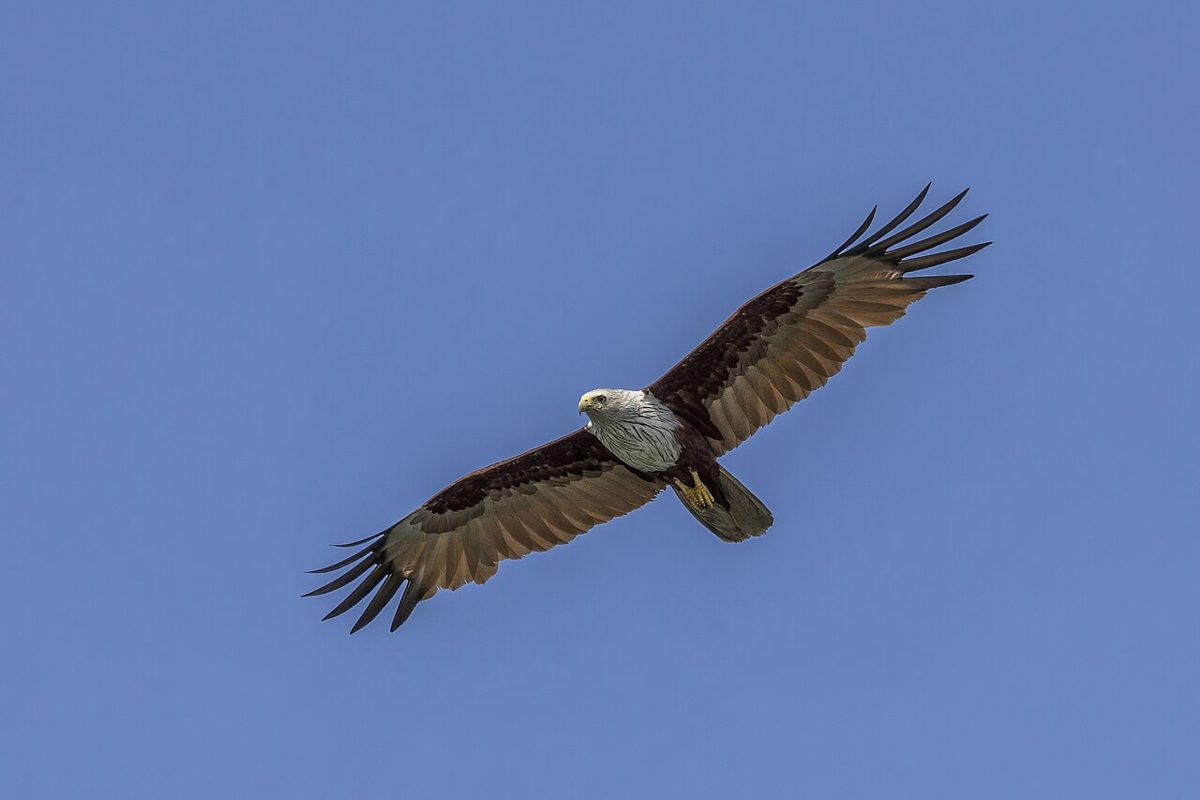
Haliastur indus
The chestnut and white kite seen over every river and harbour on the coast.
Photo: Charles J. Sharp, CC BY-SA 4.0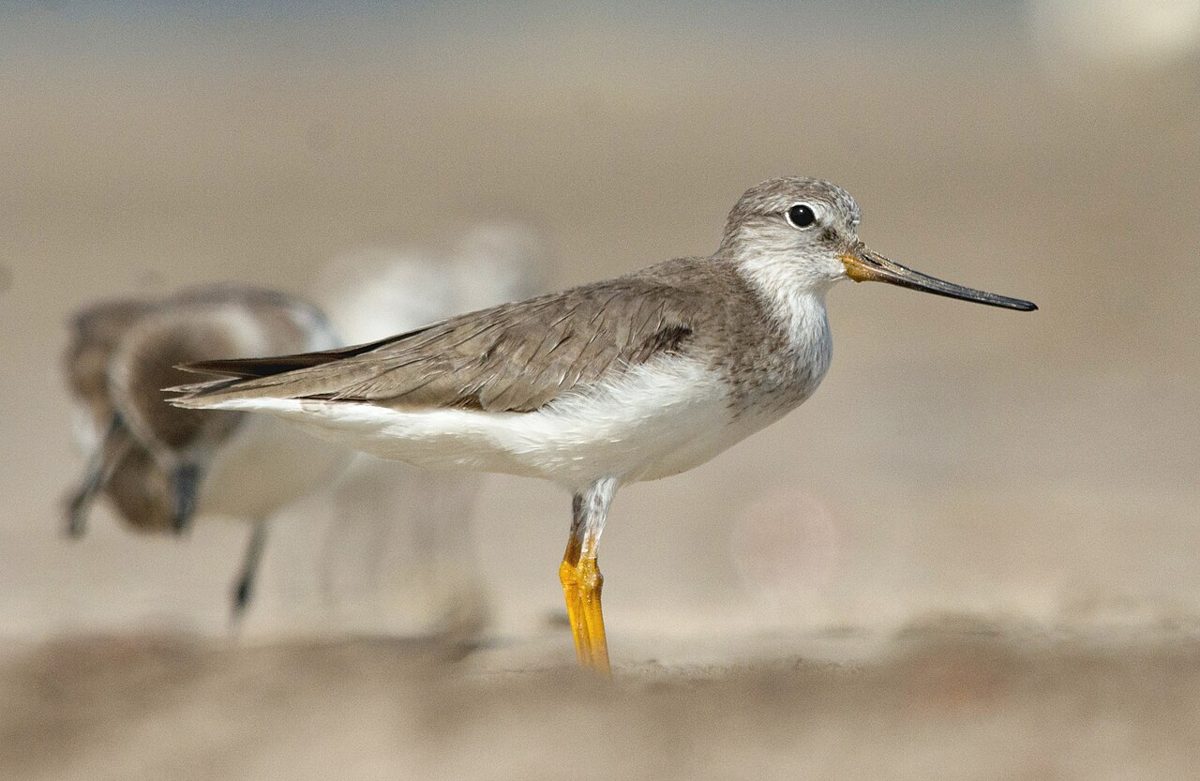
Xenus cinereus
A winter visitor with an upturned bill. Davidson collected one at Honavar in 1895.
Photo: Vedant Raju Kasambe, CC BY-SA 4.0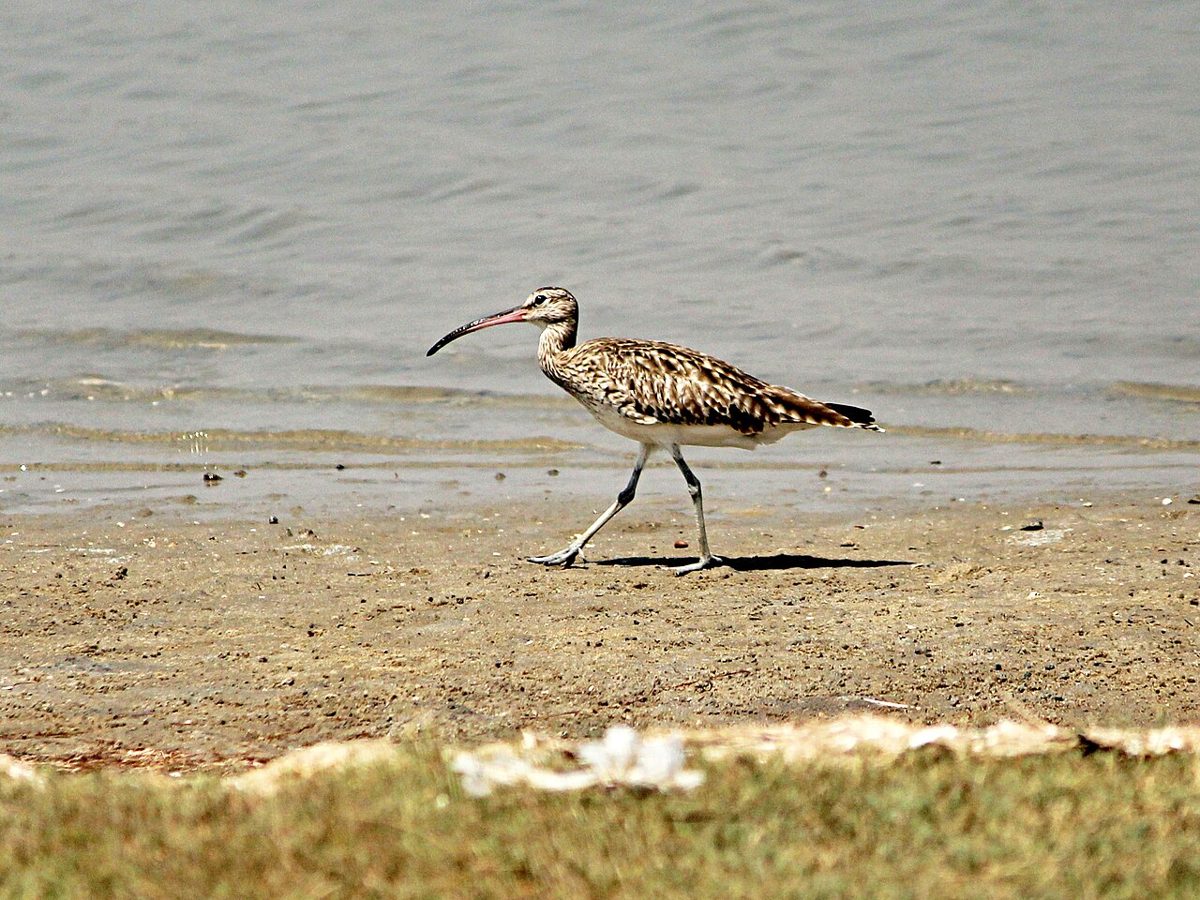
Numenius phaeopus
A curlew-like wader of beaches and mudflats in winter.
Photo: PJeganathan, CC BY-SA 4.0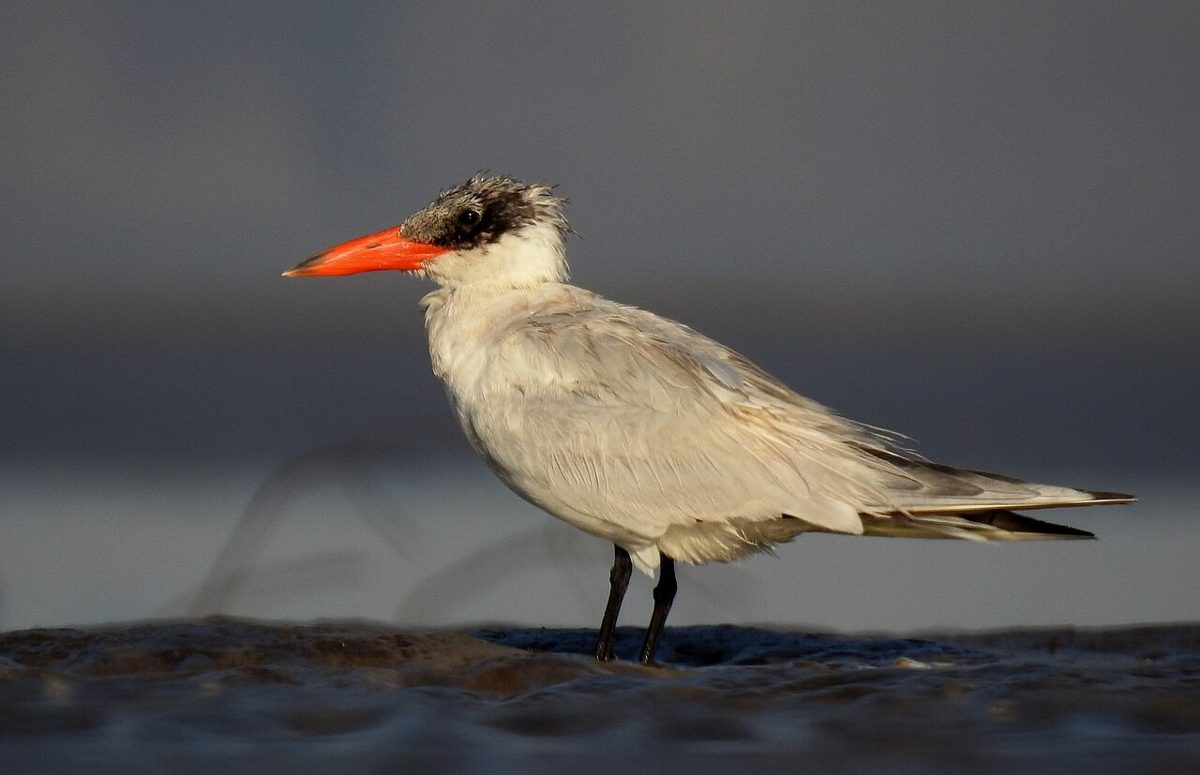
Hydroprogne caspia
The largest tern, with a red bill. 1,670 were counted on the Aghanashini estuary.
Photo: Dr. Raju Kasambe, CC BY-SA 4.0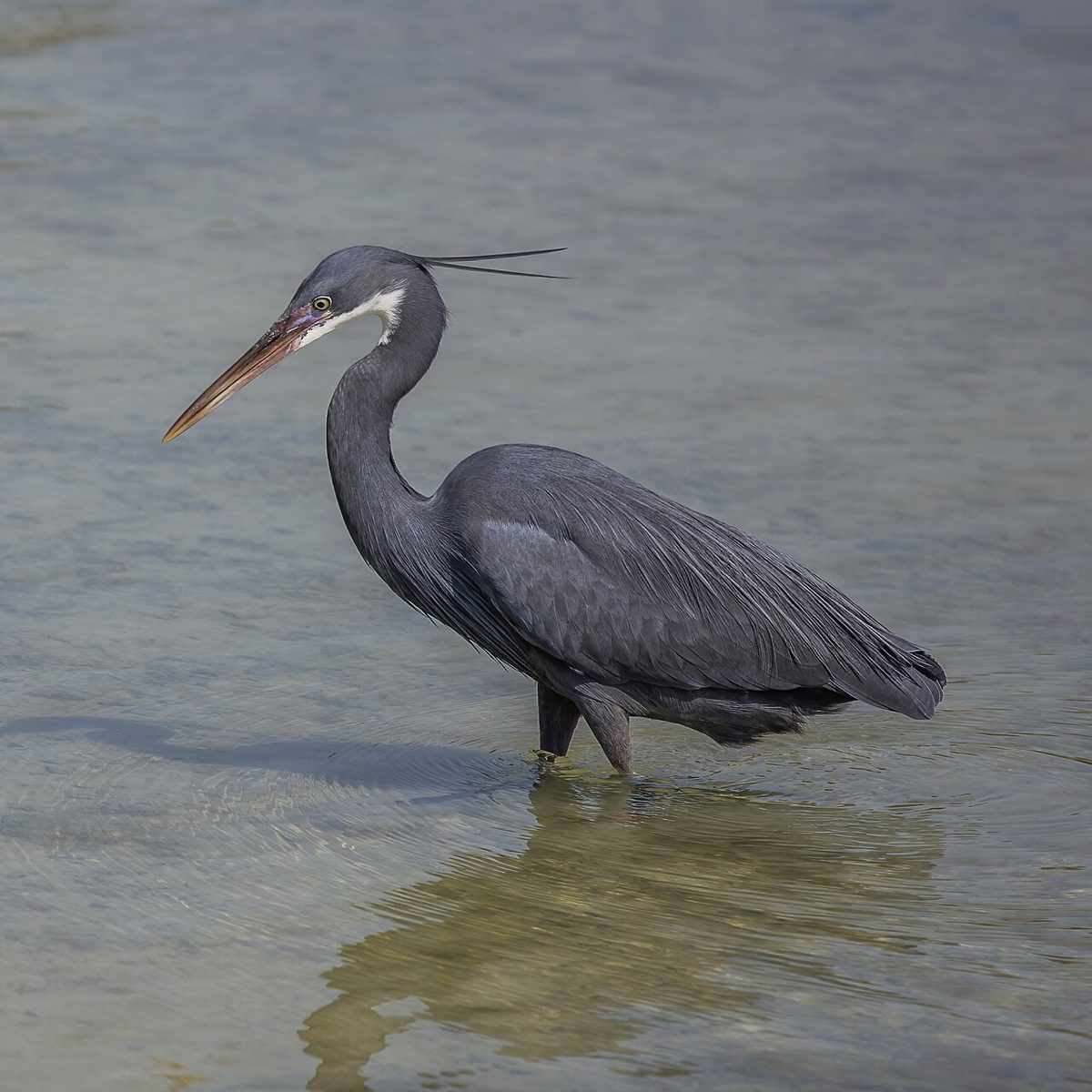
Egretta gularis
Dark or white heron of rocky shores and estuaries.
Photo: Charles J. Sharp, CC BY-SA 4.0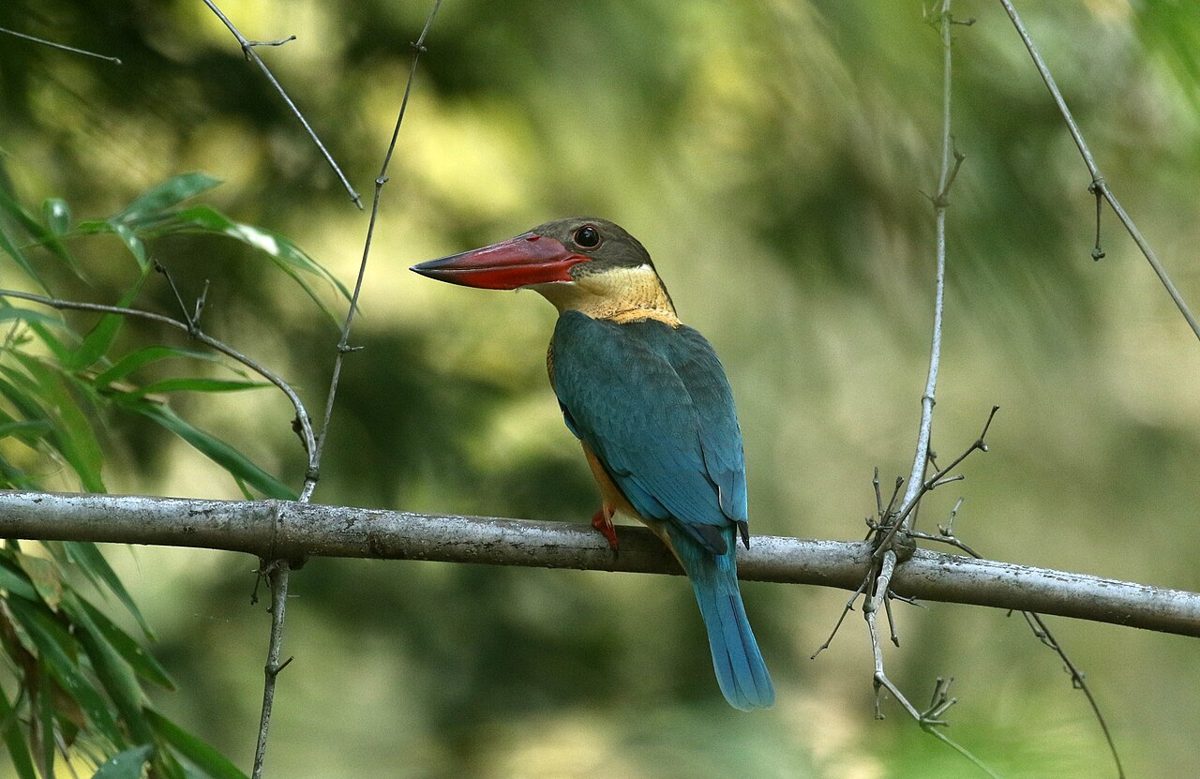
Pelargopsis capensis
A big kingfisher with a huge red bill, found along rivers in the Sharavathi River landscape.
Photo: Anagha devi, CC BY-SA 4.0The Aghanashini estuary, a short drive north of Honavar, is a Ramsar Wetland of International Importance. Counts between 2014 and 2018 found 58,415 waterbirds, including 3,490 little egrets, 2,454 black-headed ibises, 1,820 river terns, 1,670 Caspian terns and 452 western reef herons. About 130 bird species use the estuary, around 40% of them migrants, with numbers peaking in January.
Offshore, a 2008 survey of Netrani Island found at least 40 species, including nesting white-bellied sea eagles and brahminy kites, Indian swiftlets in a sea cave and several terns, gulls and skuas.
A survey of the Sharavathy landscape recorded 215 species, 15 of them found only in the Western Ghats.
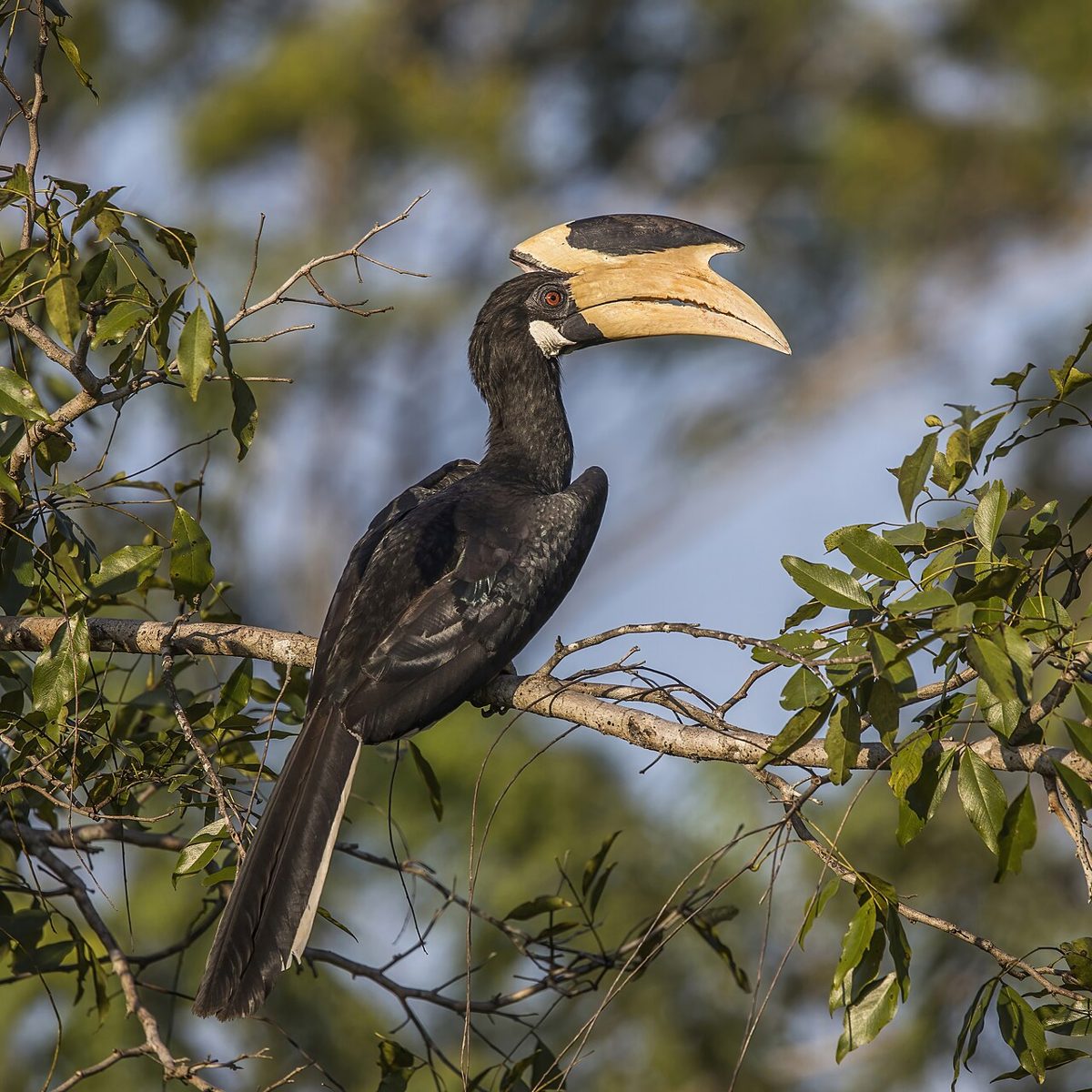
Anthracoceros coronatus
Uncommon but regular in the Sharavathy landscape, in flocks of up to 17. The Dandeli forests to the north are its last major stronghold in the Western Ghats.
Photo: Charles J. Sharp, CC BY-SA 4.0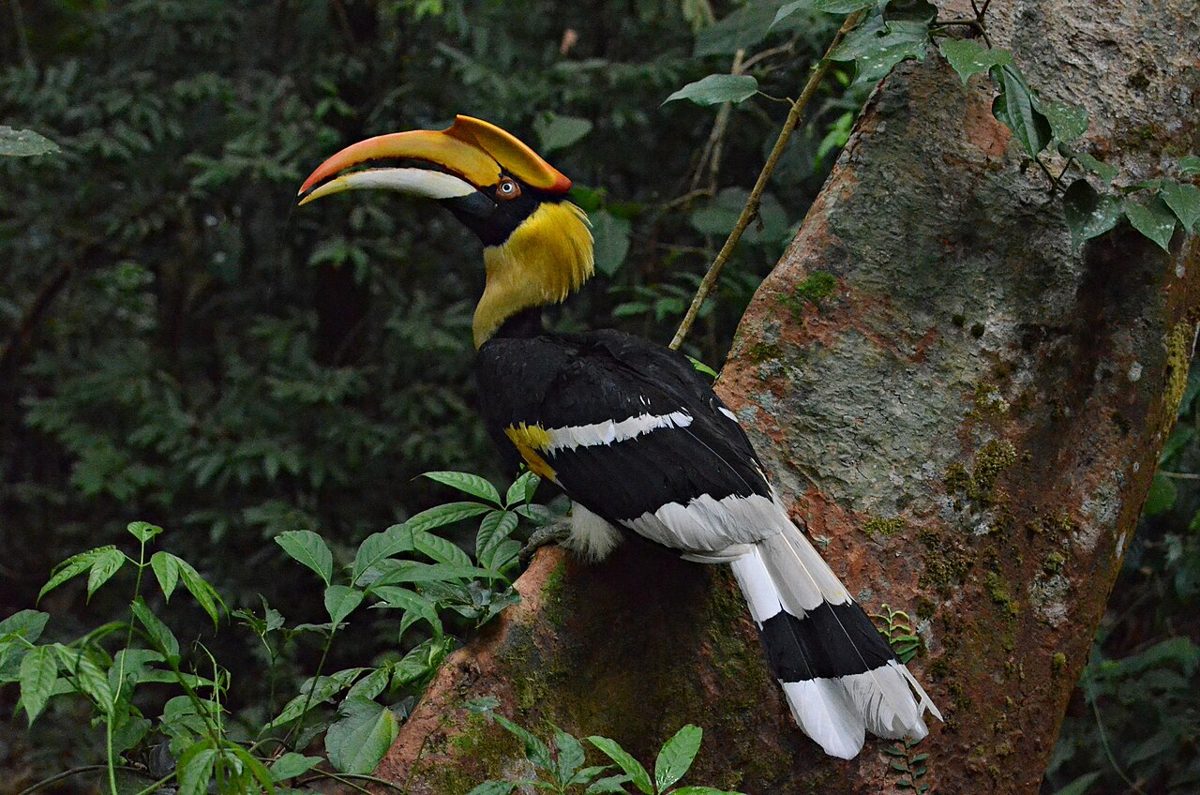
Buceros bicornis
The giant of the forest. Recorded in the Sharavathi River basin and protected in the Dandeli hornbill reserve.
Photo: Malyasri Bhattacharya, CC BY-SA 4.0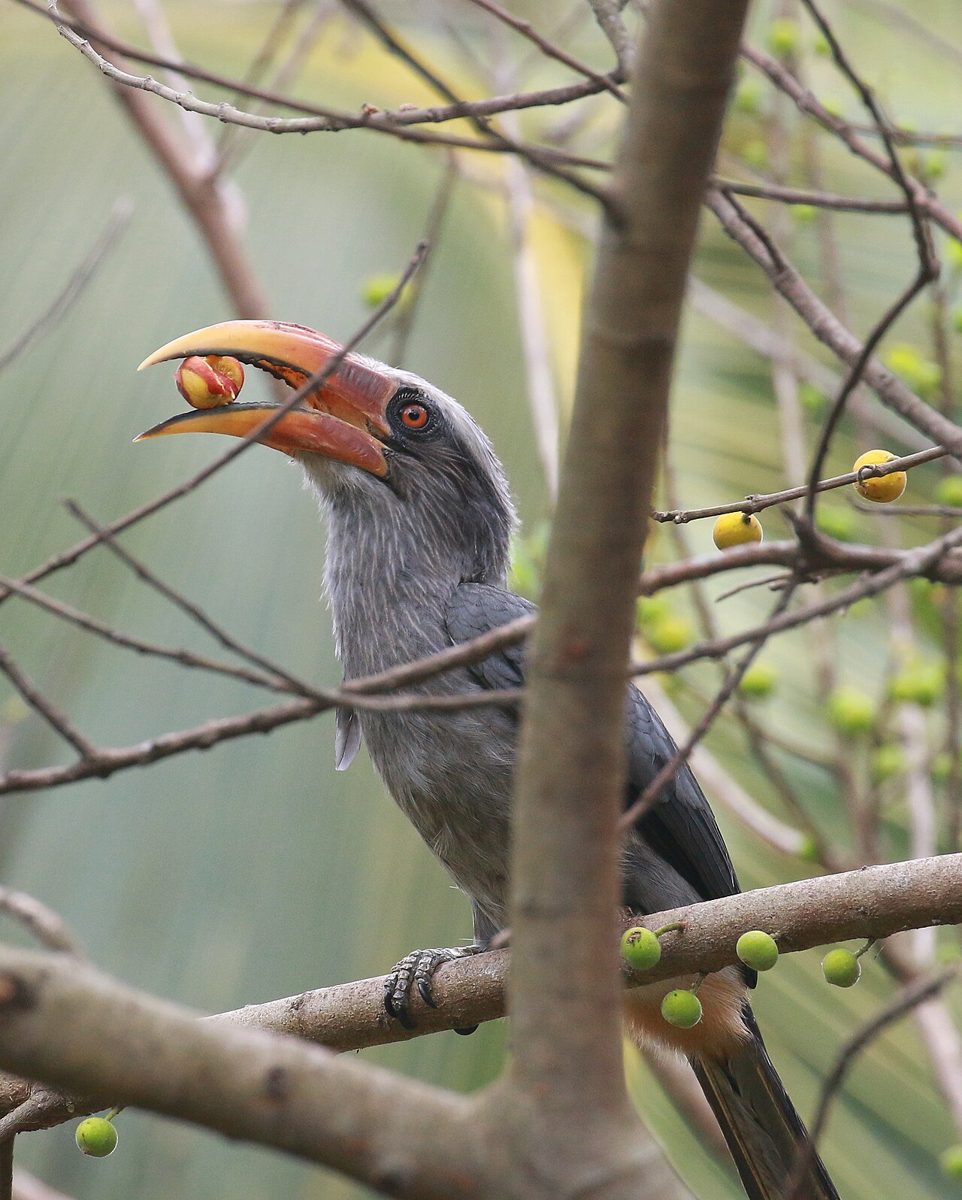
Ocyceros griseus
A Western Ghats endemic and the most common hornbill of these forests.
Photo: Shino jacob koottanad, CC BY-SA 4.0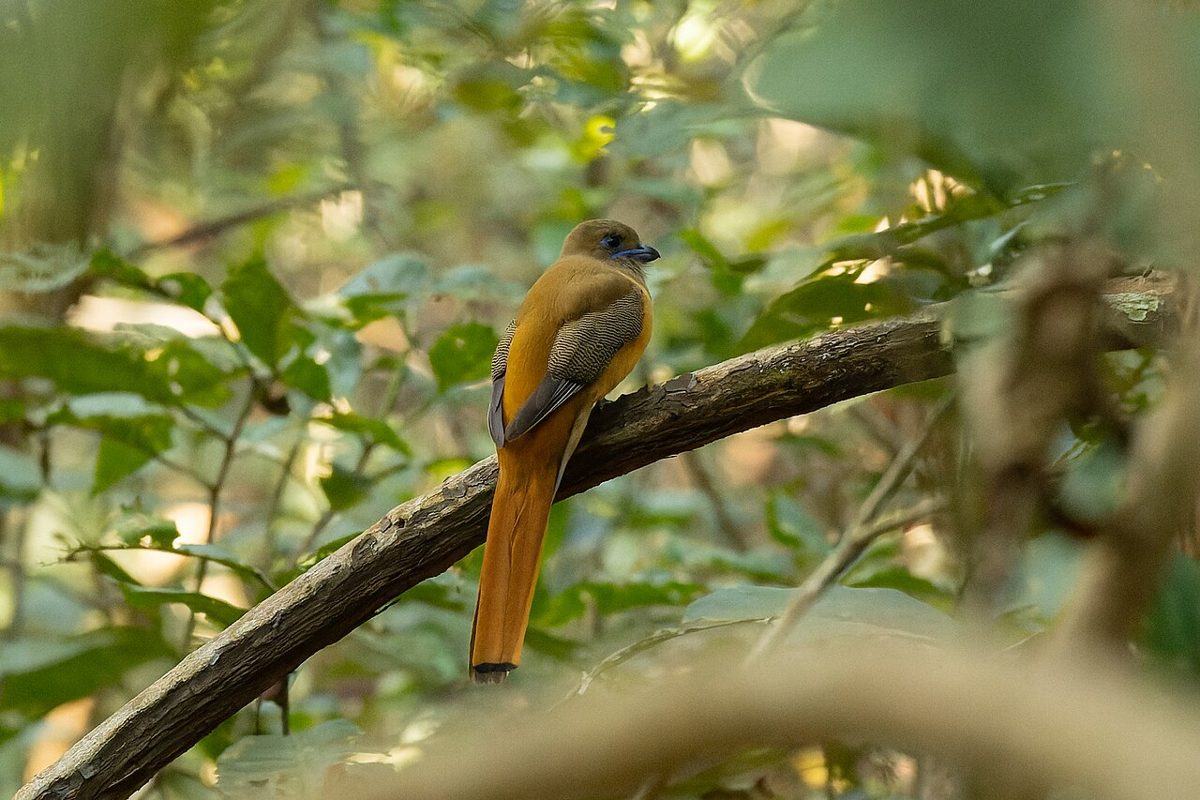
Harpactes fasciatus
A shy, colourful bird of evergreen forest, common in the Sharavathy landscape.
Photo: Tisha Mukherjee, CC BY-SA 4.0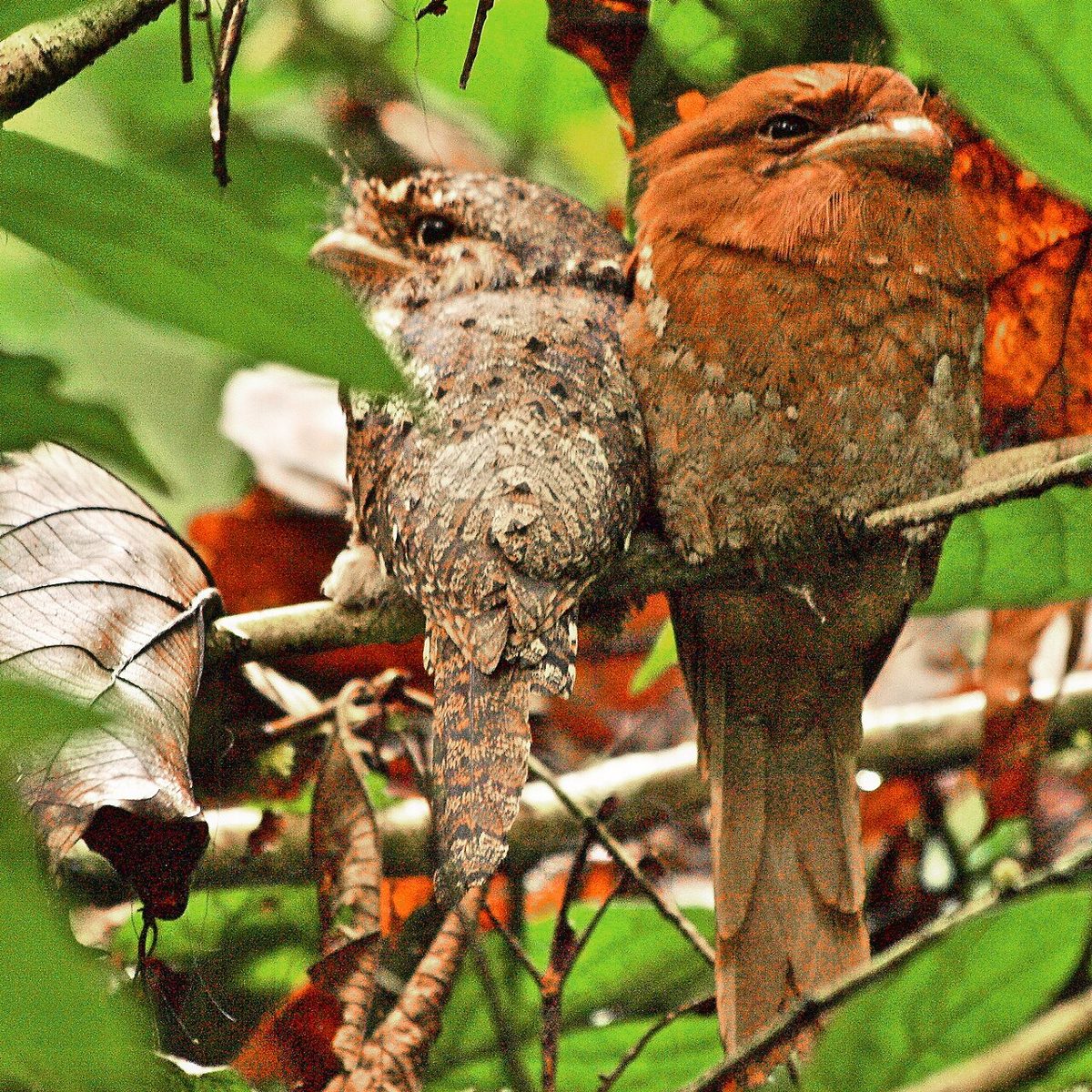
Batrachostomus moniliger
A night bird that sits still by day, looking like a broken branch.
Photo: Shanthanu Bhardwaj, CC BY-SA 3.0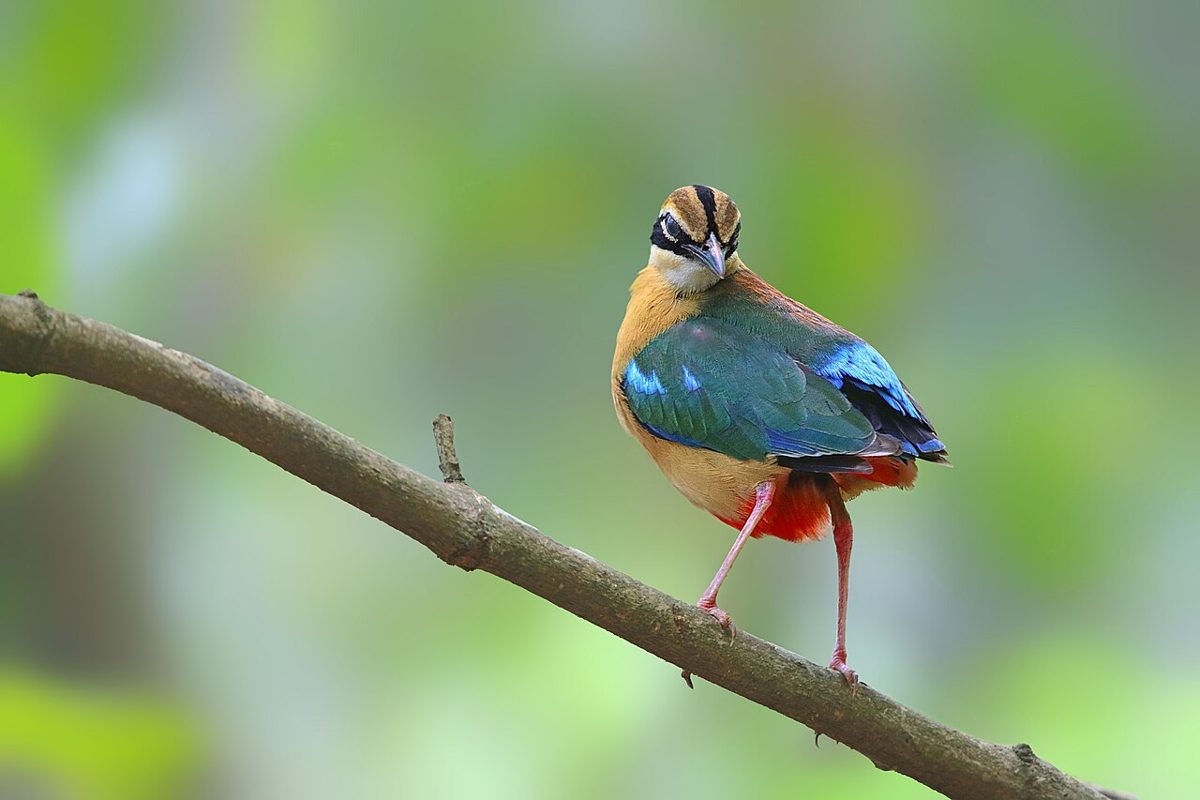
Pitta brachyura
A jewel-coloured ground bird, fairly common in the landscape.
Photo: Md shahanshah bappy, CC BY-SA 4.0Go in the first two hours after sunrise, from November to February. Carry binoculars and wear muted colours. Good spots are the estuary and Tonka spit, the mangrove boardwalk, a backwater boat and the forest around Karikanamma. More on birdwatching →
Plan your trip
Pick a stay, choose an itinerary and book online on the property's site or a booking platform.