

Culture
Arecanut plantations
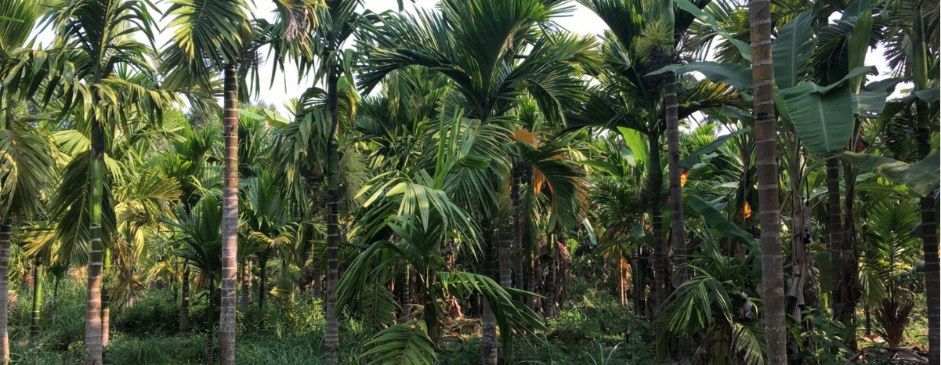
Inland from the beaches, Honavar is a land of shady arecanut plantations where areca palms, pepper vines, bananas and coconuts grow together. This farming culture shapes the food, homes and festivals of the region.
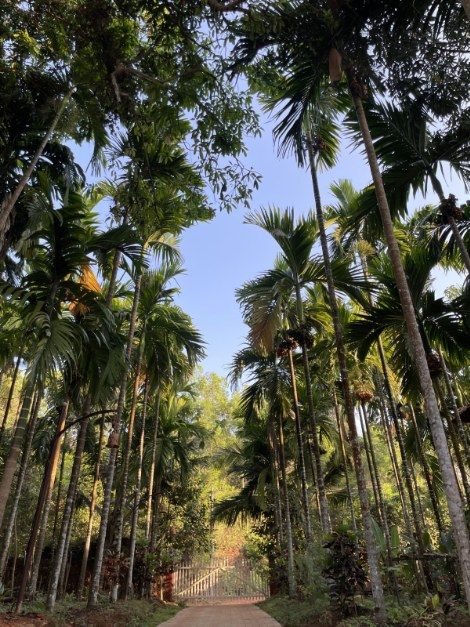
The mixed plantation
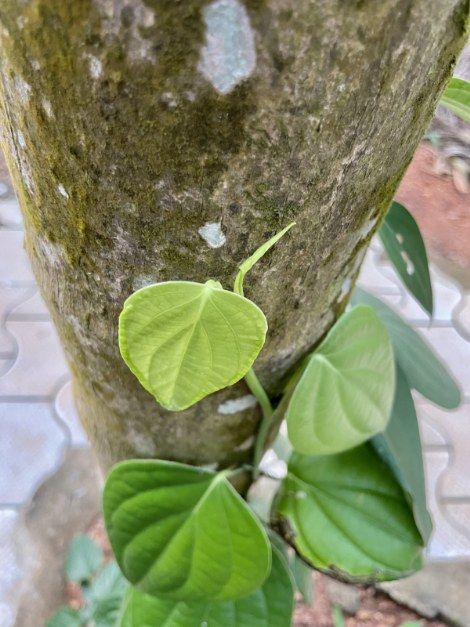
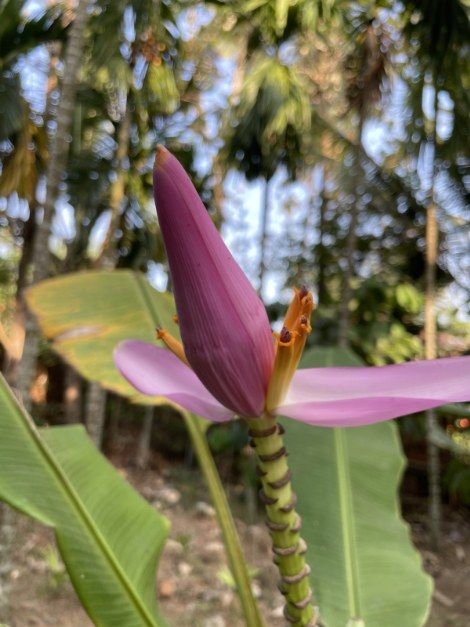
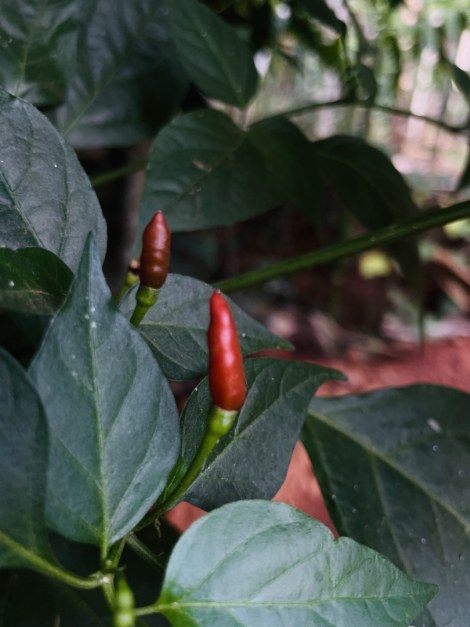
The traditional arecanut plantation of the Malnad edge is called a tota. Tall areca palms form the canopy. Black pepper vines climb their trunks. Bananas, cardamom, betel leaf, coconut and fruit trees fill the spaces below. It is a self-sustaining system that has fed families here for generations.
Areca growers in Uttara Kannada were traditionally given nearby forest plots called soppina betta, from which they collected leaves to mulch and fertilise their gardens. This link between forest and farm is one reason the hills around Honavar are still so green.
On the plains near the coast, families grow paddy, coconut and cashew. Many also keep bees. Pepper from these hills was the wealth of the Pepper Queen in the 16th century, shipped from Honavar to Arabia and Europe.
The areca year
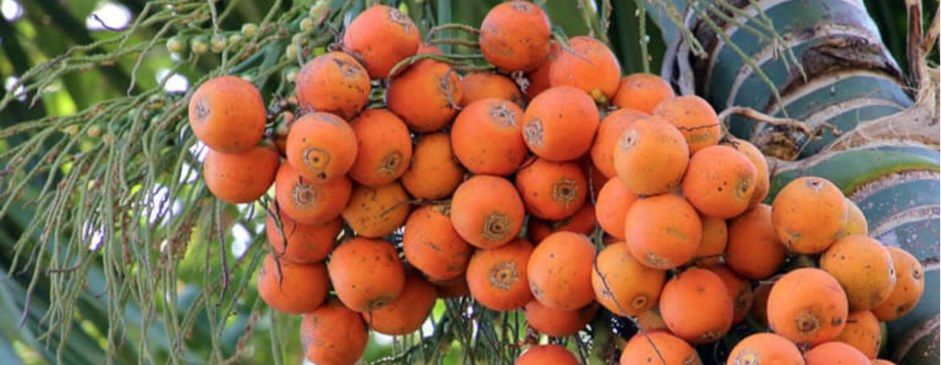
In the monsoon, farmers climb the palms to spray the bunches against fruit rot (kole roga). From about October to February the ripe nuts are harvested, dried in the sun on mats and in courtyards before they are peeled. Sirsi supari, from the hills north-east of Honavar, has a Geographical Indication tag.
See it for yourself
Walk a working garden on the Areca Plantation Walk at Areca County, or stay in a homestay in the villages east of town. Pepper, cardamom and other spices from the Malnad hills are available on our shop page.
More on Honavar's culture

Plan your trip
Ready for the river and the sea?
Pick a stay, choose an itinerary and book online on the property's site or a booking platform.