

Biodiversity · Science
Research on Honavar's biodiversity
A reading list of published studies, reports and theses on the nature of Honavar, the Sharavathi River and Uttara Kannada. Most are free to read online.
About this list
These are the sources behind our biodiversity pages. Many come from the Energy & Wetlands Research Group at the Indian Institute of Science, led by T. V. Ramachandra and M. D. Subash Chandran, which has studied Uttara Kannada for over two decades. Others come from CMFRI, SACON, the Botanical Survey of India, Karnatak University and independent researchers.
Estuary & fisheries
- Bhat M., Nayak V.N., Subash Chandran M.D. & Ramachandra T.V. (2012). Impact of hydroelectric dams on fisheries in the Sharavathi estuary of Uttara Kannada district, south-west India. LAKE 2012 conference, Kottayam.
- Bhat M., Nayak V.N., Subash Chandran M.D. & Ramachandra T.V. (2014). Fish distribution dynamics in the Aghanashini estuary of Uttara Kannada, west coast of India. Current Science 106(12): 1739–1744.
- Bhat M., Nayak V.N., Subash Chandran M.D. & Ramachandra T.V. (2014). Impact of hydroelectric projects on finfish diversity in the Sharavathi River estuary of Uttara Kannada district, central west coast of India. International Journal of Environmental Sciences 5(1): 58–66.
- Boominathan M., Ravikumar G., Subash Chandran M.D. & Ramachandra T.V. (2014). Impact of hydroelectric projects on bivalve clams in the Sharavathi estuary of Indian west coast. The Open Ecology Journal 7: 52–58.
- Boominathan M., Subash Chandran M.D. & Ramachandra T.V. (2008). Economic valuation of bivalves in the Aghanashini estuary, west coast, Karnataka. ENVIS Technical Report 30, Centre for Ecological Sciences, Indian Institute of Science (IISc), Bengaluru.
- Naik P.R. (1992). Ecological studies on Sharavati estuary, Uttara Kannada. PhD thesis, Karnatak University, Dharwad.
- Rao G.S., Kuriakose P.S., Ramachandran N. et al. (1989). Atlas of clam resources of Karnataka. CMFRI Special Publication 46, Central Marine Fisheries Research Institute, Kochi.
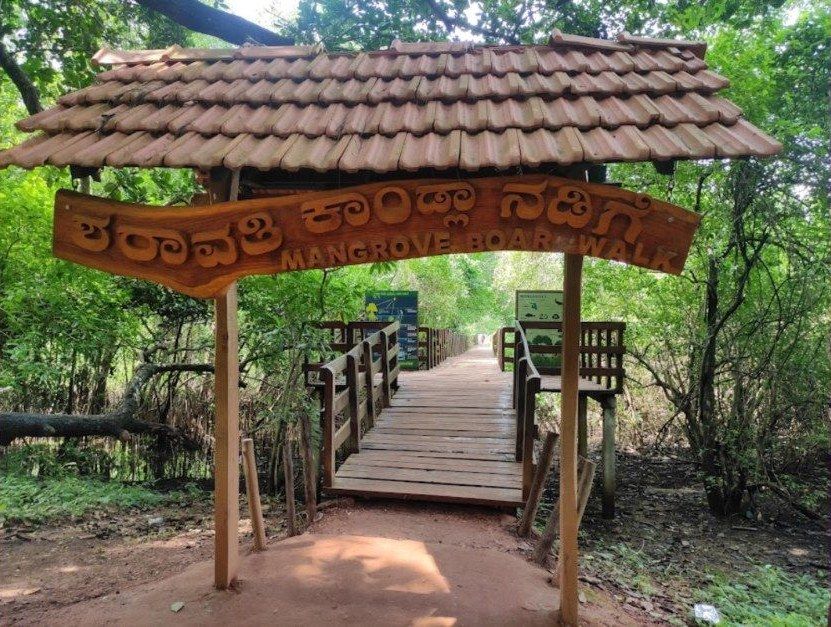
Mangroves
- Mesta P.N., Setturu B., Subash Chandran M.D., Rajan K.S. & Ramachandra T.V. (2014). Inventorying, mapping and monitoring of mangroves towards sustainable management of west coast, India. Journal of Geophysics & Remote Sensing 3: 130.
- Mesta P.N., Setturu B., Vishnu D.M., Subash Chandran M.D. & Ramachandra T.V. Mangroves in Honavar Forest Division, Uttara Kannada. Sahyadri E-News 40, Centre for Ecological Sciences, Indian Institute of Science (IISc), Bengaluru.
- Subash Chandran M.D., Ramachandra T.V., Joshi N.V., Mesta P.N., Settur B. & Mukri V.D. (2012). Conservation and management of mangroves in Uttara Kannada, Central Western Ghats. Sahyadri Conservation Series 20, ENVIS Technical Report 50, Centre for Ecological Sciences, Indian Institute of Science (IISc), Bengaluru.
- Subash Chandran M.D., Rao G.R., Mesta P., Vishnu D.M. & Ramachandra T.V. (2012). Green walls for Karnataka sea coast (Honavar Forest Division). Sahyadri Conservation Series 10, ENVIS Technical Report 34, Centre for Ecological Sciences, Indian Institute of Science (IISc), Bengaluru.
River basin
- Energy & Wetlands Research Group (2012). Exploring biodiversity and ecology of Central Western Ghats. ENVIS Technical Report 39, Centre for Ecological Sciences, Indian Institute of Science (IISc), Bengaluru.
- Ramachandra T.V., Subash Chandran M.D., Joshi N.V. et al. (2012). Ecological profile of Sharavathi River basin. Sahyadri Conservation Series 22, ENVIS Technical Report 52, Centre for Ecological Sciences, Indian Institute of Science (IISc), Bengaluru.
- Ramachandra T.V., Vinay S., Bharath S. & Aithal B.H. (2017). Profile of rivers in Karnataka. Sahyadri Conservation Series 71, ENVIS Technical Report 129, Centre for Ecological Sciences, Indian Institute of Science (IISc), Bengaluru.
Coast & sea
- Arun A.B., Beena K.R., Raviraja N.S. & Sridhar K.R. (1999). Coastal sand dunes: a neglected ecosystem. Current Science 77(1): 19–21.
- Bhatt Y.M. & Bal D.V. (1973). Zonation of intertidal organisms on the rocky shores of Bombay. Marine Biological Association of India, Special Publication 1: 306–314.
- Chippalakatti P. et al. (2025). Marine macroalgae in the rocky shores of coastal Karnataka. Journal of Aquatic Biology & Fisheries 13(1): 66–78.
- D'Souza S.L., D'Souza N. & Shenoy K.B. (2022). Molluscan diversity of coastal Karnataka. Journal of Coastal Conservation 26: 2.
- Hanamgond P.T. & Mitra D. (2007). Dynamics of the Karwar coast, India, with special reference to study of tidal inlets. Journal of Coastal Research SI 50: 842–847.
- Haragi S. et al. (2023). Green mussel Perna viridis beds of the Karwar coast. International Journal of Fisheries and Aquaculture 15(2): 10–20.
- Hegde V.S. et al. (2012). Spit dynamics along the central west coast of India. Journal of Coastal Research 28(2): 505–510.
- Hegde V.S., Shalini G., Nayak S. et al. (2009). Low-scale foreshore morphodynamic processes in the vicinity of a tropical estuary at Honnavar, central west coast of India. Journal of Coastal Research 25(2): 305–314.
- IUCN Marine Mammal Protected Areas Task Force. Sindhudurg–Karwar Important Marine Mammal Area (IMMA) factsheet.
- Jadhav S.J. et al. (2025). Phenology of coastal upwelling in the southeastern Arabian Sea. Journal of Earth System Science 134: 187.
- Kaladharan P., Zacharia P.U. & Vijayakumaran K. (2011). Coastal and marine floral biodiversity along the Karnataka coast. Journal of the Marine Biological Association of India 53(1): 121–129.
- Kankara R.S., Ramana Murthy M.V. & Rajeevan M. (2018). National assessment of shoreline changes along the Indian coast (1990–2016). National Centre for Coastal Research, Chennai.
- Ministry of Environment, Forest and Climate Change (2019). Coastal Regulation Zone Notification, G.S.R. 37(E), 18 January 2019.
- Namboothri N. et al. (2008). Policy brief: sand dunes. ATREE / UNDP.
- Palanisamy M. & Yadav S.K. (2022). Seaweed flora of Karnataka coast. Botanical Survey of India, Kolkata.
- Patra R. et al. (2026). Sea snake (Serpentes: Elapidae: Hydrophiinae) diversity and distribution in Indian waters from fisheries bycatch. Zoological Journal of the Linnean Society.
- Press Information Bureau (4 December 2023). Coastal erosion: reply in Parliament with NCSCM data on eroding beaches.
- Rodrigues R.S., Mascarenhas A. & Jagtap T.G. (2011). An evaluation of flora from coastal sand dunes of India: rationale for conservation and management. Ocean & Coastal Management 54: 181–188.
- Rodriguez S. et al. (2008). Policy brief: sea walls. ATREE / UNDP.
- Saravanan K.R., Chowdhury B.R. & Sivakumar K. (2013). Coastal and marine sites of India, as cited in India's CBD EBSA submission (2015).
- Singh Y.T. (2019). Biometrics, condition index and meat yield of edible rock oyster Saccostrea cucullata. Journal of the Marine Biological Association of the UK 99(2): 385–392.
- Singh Y.T., Samuel V.D., Meenakshi V.K., Siva Sankar R. & Narasimhaiah N. (2018). Intertidal biodiversity of Karnataka, south west coast of India. In: Perspectives on Biodiversity of India, Vol. III (4th Indian Biodiversity Congress).
- Sridhar K.R. & Bhagya B. (2007). Coastal sand dune vegetation: a potential source of food, fodder and pharmaceuticals. Livestock Research for Rural Development 19(6).
- Vaidya N.G. (2020). Stranding of Indian Ocean humpback dolphin along Uttara Kannada coast, Karnataka. Marine Fisheries Information Service, Technical & Extension Series 243: 31. CMFRI.
- Zacharia P.U., Krishnakumar P.K., Dineshbabu A.P. et al. (2008). Species assemblage in the coral reef ecosystem of Netrani Island off Karnataka along the southwest coast of India. Journal of the Marine Biological Association of India 50(1): 87–97.
Sea turtles
- Bhat N.D. (2007). Proceedings of the workshop on the conservation of sea turtles and mangroves at Honnavar, Karnataka. Indian Ocean Turtle Newsletter 5.
- Deccan Herald (10 January 2026). Port work halts Olive Ridley sea turtle nesting at Honnavar's Kasarkod Tonka beach.
- Karnad D., Isvaran K., Kar C.S. & Shanker K. (2009). Lighting the way: towards reducing misorientation of olive ridley hatchlings due to artificial lighting at Rushikulya, India. Biological Conservation 142: 2083–2088.
- National Light Pollution Guidelines for Wildlife, endorsed at CMS COP13 (2020), summarised in Indian Ocean Turtle Newsletter 32.
- Sea Turtles of India. Karnataka: distribution and status (citing Sharath B.K. 2002, 2006).
- Shettigar T., Haragi S. & Mariyappa A. (2026). Rediscovering nesting activities of Lepidochelys olivacea along the Dakshina Kannada coast. Scientific Reports 16: 907.
- Sulochanan B., Veena S., Thomas S., Padua S. & Sobhana K.S. (2025). Anthropogenic and climate driven threats to sea turtle habitats on Karnataka's coastline. Regional Studies in Marine Science 91.
- Vohra S. (2022). An upcoming port in Karnataka is shrinking space for olive ridley turtles. Mongabay-India, 15 July 2022 (journalism).
Birds
- Barve S. & Warrier R. (2013). Bird diversity of the Sharavathy landscape, Karnataka. Indian BIRDS 8(3): 57–61.
- Mudappa D. & Raman T.R.S. (2009). A conservation status survey of hornbills (Bucerotidae) in the Western Ghats, India. Indian BIRDS 5(4): 90–102.
- Pande S. et al. (2011). Avifaunal survey of Netrani Island, Karnataka, and importance of offshore islands for bird life. Indian BIRDS 7(4): 106–108.
- Patra R., Rana N., Frank S.J.D. & Gopi G.V. (2026). Avifaunal diversity of the central Western Ghats in Uttara Kannada. Journal of Threatened Taxa 18(8): 29401–29417.
- Praveen J., Subramanya S. & Raj V.M. (2016). A checklist of the birds of Karnataka. Indian BIRDS 12(4&5): 89–118.
- Ramachandra T.V. et al. (2024). Aghanashini estuary: Ramsar wetland of international significance. Sahyadri Conservation Series 87, ENVIS Technical Report 147, Centre for Ecological Sciences, Indian Institute of Science (IISc), Bengaluru.
- Ramsar Information Sheet: Aghanashini Estuary, India (site no. 2534).
- Sneha V. & Davidar P. (2011). Status survey of the Malabar pied hornbill in the Dandeli region. Raffles Bulletin of Zoology Supplement: 45–51.
Lion-tailed macaque
- Kumara H.N. & Singh M. (2004). Distribution and abundance of primates in rain forests of the Western Ghats, Karnataka, India and the conservation of Macaca silenus. International Journal of Primatology 25(5): 1001–1018.
- Kumara H.N. & Sinha A. (2009). Decline of the endangered lion-tailed macaque Macaca silenus in the Western Ghats, India. Oryx 43(2): 292–298.
- Kumara H.N. et al. (2025). Population trend and management prospects for the lion-tailed macaque in the Sharavathi LTM Sanctuary.
- Kumara H.N., Vijay Mohan Raj R. & Santhosh K. (c. 2008). Assessment of the important wildlife habitat in Sirsi–Honnavara forest divisions. SACON report.
- Ramesh Kumar P., Kumara H.N. et al. (2018). Conservation status of primates in the Central Western Ghats, Karnataka. Primate Conservation 32.
Forests & protected areas
- Ali S., Subash Chandran M.D. & Ramachandra T.V. Myristica swamps of Uttara Kannada. Sahyadri E-News 23, Centre for Ecological Sciences, Indian Institute of Science (IISc), Bengaluru.
- Bhat S.S. & Rajanna L. (2014). Plant diversity studies in the rural homegardens of Honnavar taluk, Uttara Kannada.
- Dandekar P. (c. 2011). Novel conservation reserves on Kali, Bedthi and Aghanashini in the Western Ghats. SANDRP.
- Dasappa & Swaminath H. (2000). A new species of Semecarpus from the Myristica swamps of North Canara. Indian Forester 126(1): 78–82; name validated in Phytotaxa 247(4): 299–300 (2016).
- Deccan Herald (22 December 2023). Eco-sensitive zone notified for Sharavathi Valley Lion-tailed Macaque Sanctuary.
- Energy & Wetlands Research Group (2013). Status of forest in Shimoga district. ENVIS Technical Report 53, Centre for Ecological Sciences, Indian Institute of Science (IISc), Bengaluru.
- Key Biodiversity Areas Partnership. Sharavathi Valley Wildlife Sanctuary (KBA 18232) factsheet.
- Priti H., Aravind N.A., Uma Shaanker R. & Ravikanth G. (2016). Modelling impacts of future climate on the distribution of Myristicaceae species in the Western Ghats, India. Ecological Engineering 89: 14–23.
- Ramachandra T.V., Subash Chandran M.D., Joshi N.V. & Shalini Kumar (2012). Conservation of endangered fauna in Sharavathi river basin. ENVIS Technical Report 22, Centre for Ecological Sciences, Indian Institute of Science (IISc), Bengaluru.
- Subash Chandran M.D. & Gadgil M. Sacred groves and sacred trees of Uttara Kannada. Sahyadri E-News 8, Centre for Ecological Sciences, Indian Institute of Science (IISc), Bengaluru.
- Subash Chandran M.D., Rao G.R., Gururaja K.V. & Ramachandra T.V. (2010). Ecology of the swampy relic forests of Kathalekan from Central Western Ghats, India. Bioremediation, Biodiversity and Bioavailability 4(1): 54–68.
- Tripathy B.R., Patel I., Pai O. et al. (2024). Establishing a baseline of mammal diversity in Kali Tiger Reserve through camera trapping. Biologia.
Frogs, fish & insects
- Biju S.D. et al. (2011). Nyctibatrachus jog: a night frog named after Jog Falls. AmphibiaWeb species account.
- Biju S.D., Garg S., Gururaja K.V., Shouche Y. & Walujkar S.A. (2014). DNA barcoding reveals unprecedented diversity in dancing frogs of India (Micrixalidae, Micrixalus). Ceylon Journal of Science (Biological Sciences) 43(1): 1–87.
- Gururaja K.V., Aravind N.A., Ali S., Ramachandra T.V., Velavan T.P., Krishnakumar V. & Aggarwal R.K. (2007). A new frog species from the central Western Ghats of India, and its phylogenetic position. Zoological Science 24(5): 525–534.
- Gururaja K.V., Dinesh K.P., Priti H. & Ravikanth G. (2014). Mud-packing frog: a novel breeding behaviour and parental care in a stream dwelling new species of Nyctibatrachus. Zootaxa 3796(1): 33–61.
- Jadhav M. & Sharma R.M. (2013). Range extension of Malabar tree nymph Idea malabarica in Uttara Kannada. Journal of Threatened Taxa 5(1): 3556–3558.
- Ramachandra T.V., Subash Chandran M.D., Joshi N.V., Gururaja K.V., Sameer Ali & Mukri V.D. (2012). Amphibian diversity and distribution in Uttara Kannada district, Karnataka. Sahyadri Conservation Series 18, ENVIS Technical Report 47, Centre for Ecological Sciences, Indian Institute of Science (IISc), Bengaluru.
- Seshadri K.S., Yadav A. & Gururaja K.V. (2009). Road kills of amphibians in different land use areas from Sharavathi river basin, central Western Ghats, India. Journal of Threatened Taxa 1(11): 549–552.
- Sreekantha M.D., Subash Chandran M.D., Mesta D.K., Rao G.R., Gururaja K.V. & Ramachandra T.V. (2007). Fish diversity in relation to landscape and vegetation in central Western Ghats, India. Current Science 92(11): 1592–1603.
- Sreekantha et al. (2006). Two new fish species of the genus Schistura from the Western Ghats, India. Zoos' Print Journal 21(4): 2211–2216.
Threats
- Amrutha K. et al. (2023). Assessment of pollution and risks associated with microplastics in the riverine sediments of the Western Ghats. Environmental Science and Pollution Research 30: 32301–32319.
- D'Souza N. et al. (2023). Risk assessment and spatio-temporal distribution of dissolved trace metals in Swarna, Sharavati and Kali estuaries. Environmental Science and Pollution Research 30(4): 9914–9931.
- Gupta A., Amulya M., Malik R. & Sharma S. (undated). Gauging the impacts of port and ancillary construction on the ecology and the fishing community in the Sharavathi River estuary. Student report (grey literature).
More biodiversity
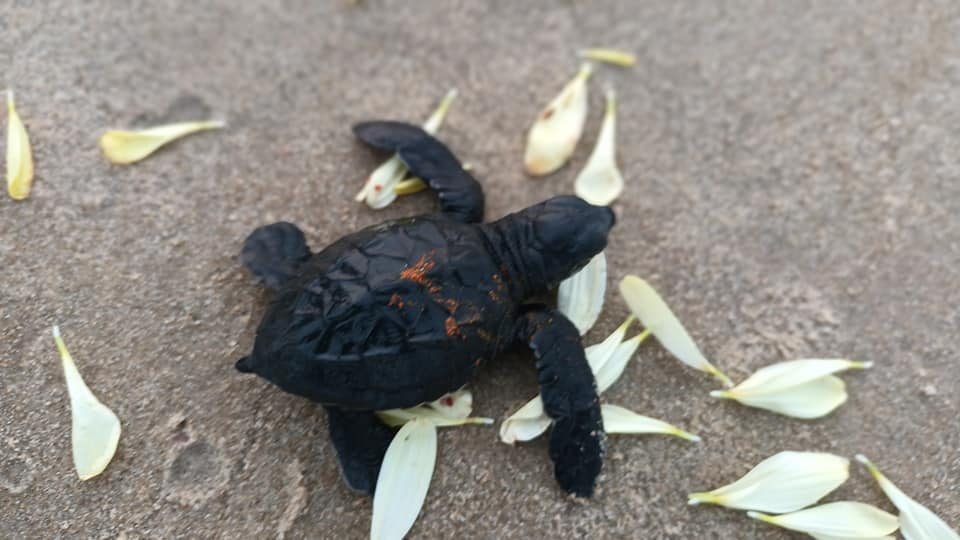
Olive Ridley sea turtles
Nesting on Tonka Beach every winter.
Read more →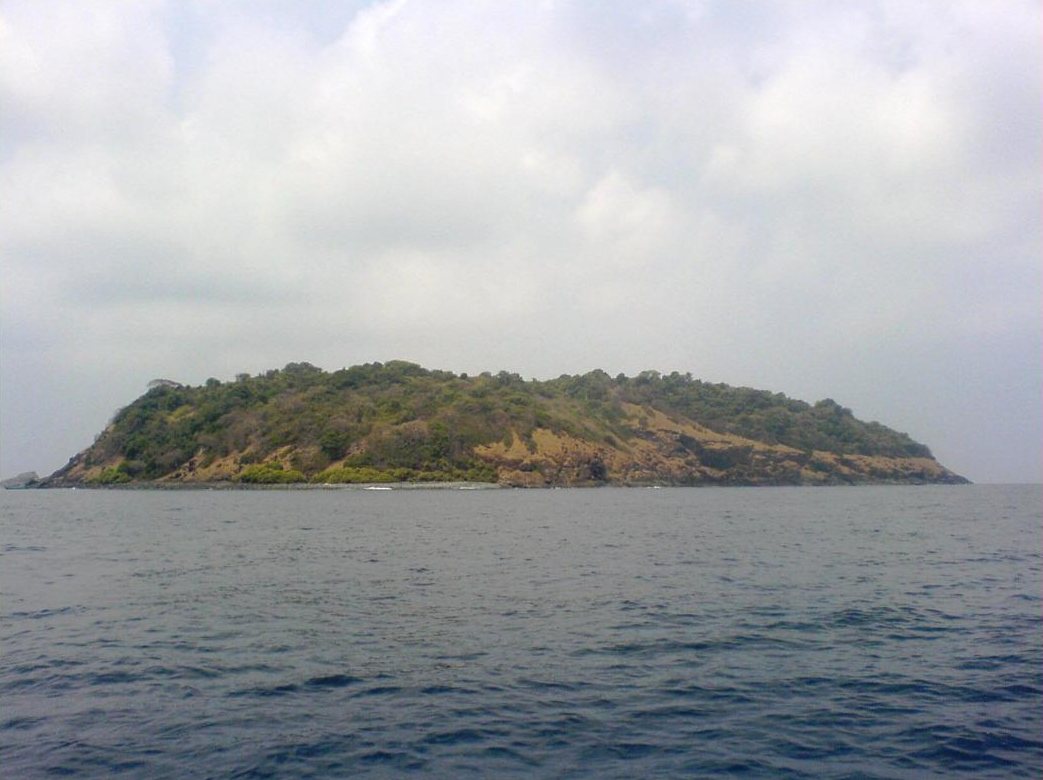
Coral & marine life
Reefs, fish, sea turtles and the productive Arabian Sea.
Read more →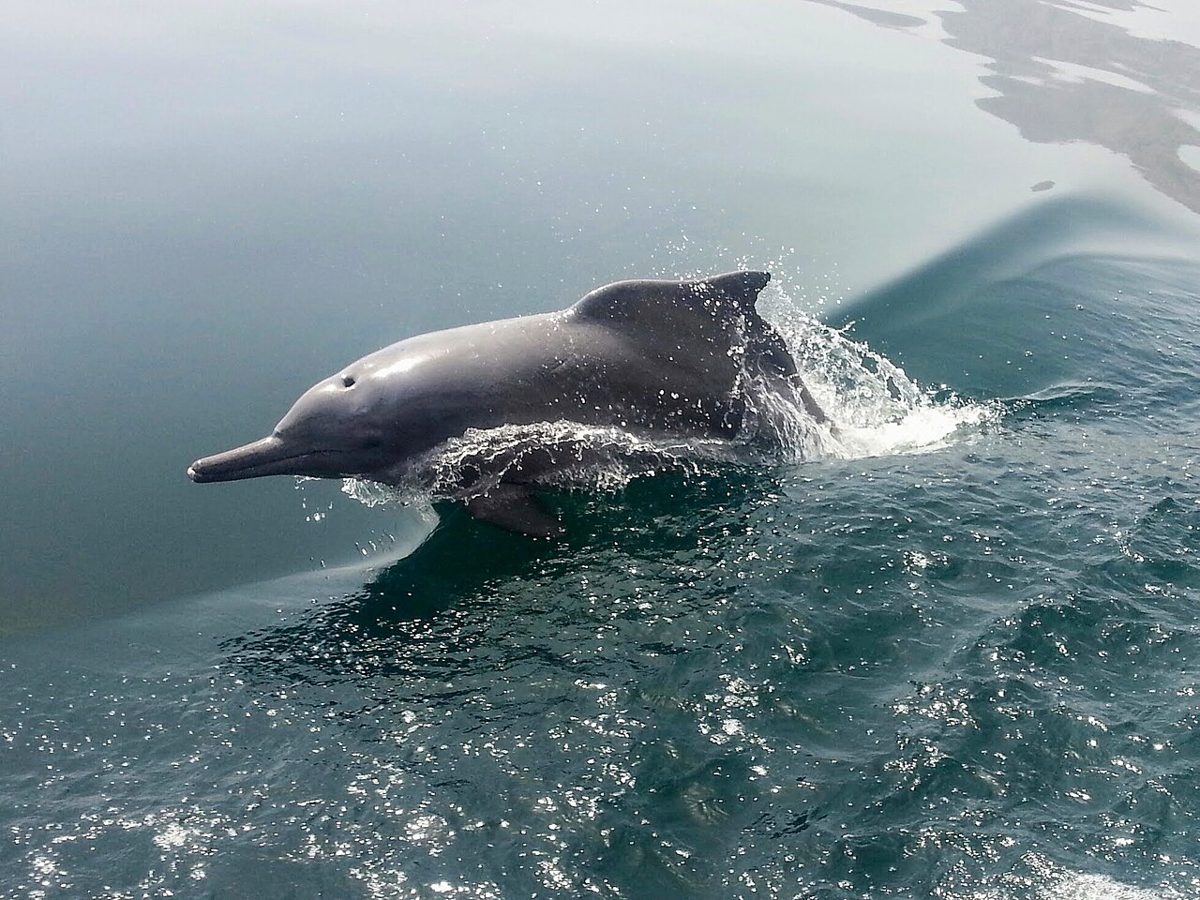
Dolphins & porpoises
Humpback dolphins and finless porpoises of the Kanara coast.
Read more →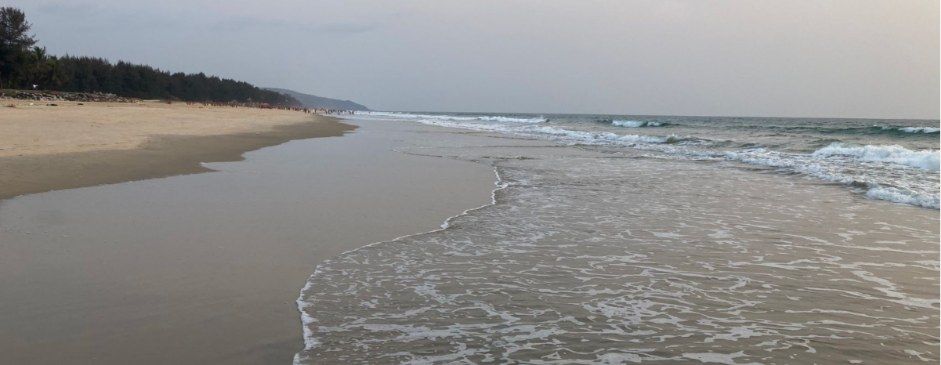
Sandy beaches
A moving shore of spits, erosion and turtle nests.
Read more →Plan your trip
Ready for the river and the sea?
Pick a stay, choose an itinerary and book online on the property's site or a booking platform.