

Biodiversity · Sea turtles
Olive Ridley sea turtles of Honavar
Every winter, Olive Ridley sea turtles crawl up Tonka Beach at night to lay their eggs where the Sharavathi River meets the Arabian Sea. Local fishermen guard the nests until the hatchlings run for the sea.
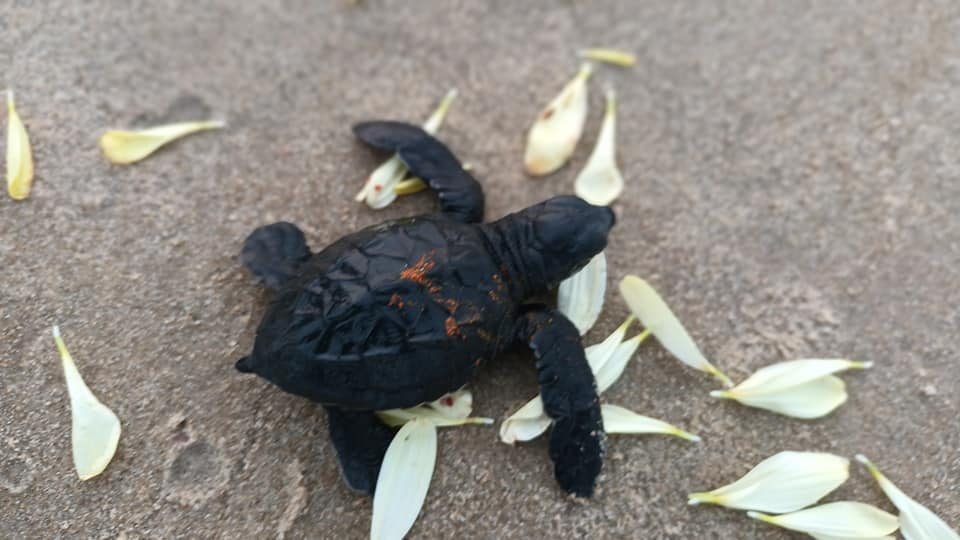
Meet the Olive Ridley
The Olive Ridley is named for the olive-green colour of its shell. It is one of the smallest sea turtles in the world and one of the most widespread, living in the warm waters of the Indian, Pacific and Atlantic oceans.
Females return to nest on the beach where they were born, sometimes after travelling thousands of kilometres. Each one lays 100 to 150 eggs in a pit in the sand, covers it and slips back into the sea. About two months later the hatchlings dig their way out, usually at night. They head for the brightest horizon: the sea.
In Indian tradition the turtle is Kurma, the second avatar of Vishnu, who carried Mount Mandara on his back during the churning of the ocean (Samudra Manthana). The Olive Ridley is protected under Schedule I of the Wildlife (Protection) Act, 1972 and listed as Vulnerable by the IUCN.
The nesting beach
Tonka Beach
Tonka is the long sand spit on the Kasarkod side of Honavar, ending at the mouth of the Sharavathi River. Its quiet, dark beach is where the turtles nest. Odisha has India's famous mass nestings, but solitary nesting beaches like Tonka matter too: hatching success is often higher on them than on crowded arribada beaches.
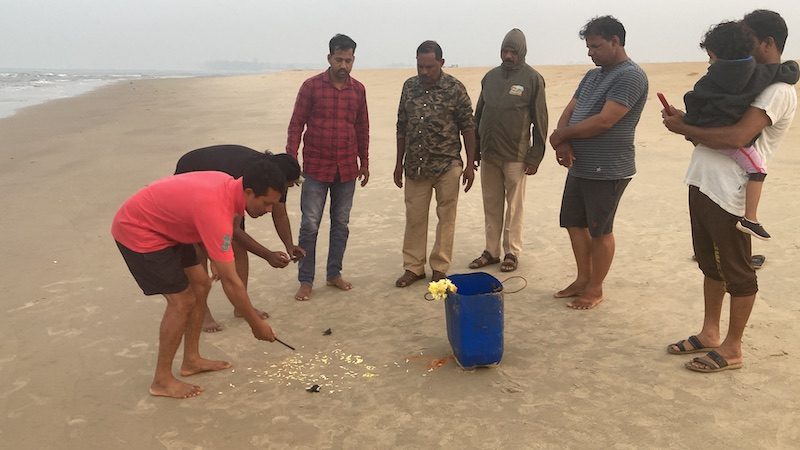
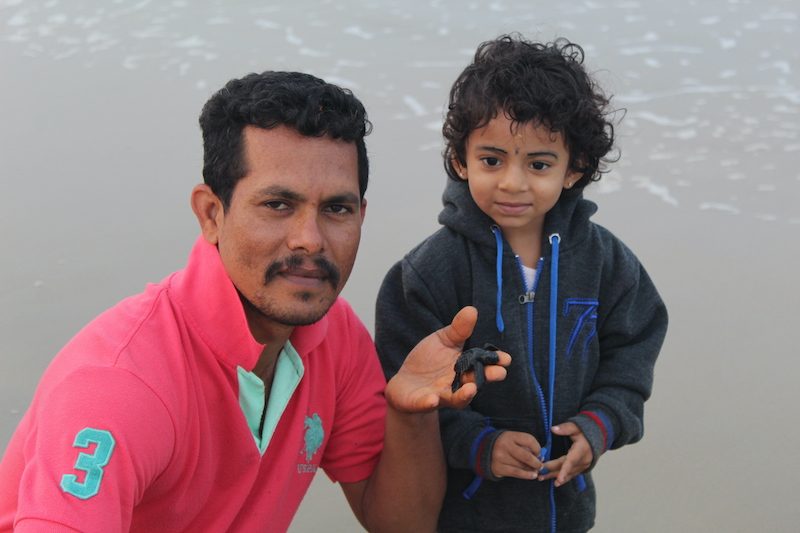
The fishing families of Tonka are the turtles' first guardians. When they spot tracks at dawn they alert the Karnataka Forest Department. Together they fence the nest or move the eggs to a safe hatchery. When the eggs hatch, the community gathers to release the hatchlings, sometimes with a small puja for Kurma.
Not just Tonka
Nesting beaches around Honavar
Forest Department records cover nesting beaches in villages along the Honavar coast: Apsarakonda, Kasarkod (with Tonka), Karki, Mallukurva, Haldipur and Pavinakurve. The busiest is the 3 km stretch from Apsarakonda to Pavinakurve. A record 83 females nested there in 2023, compared with about 35 to 40 a year across the Honavar division. The department has run a hatchery at Haldipur. Fishers along the coast also report and guard nests.
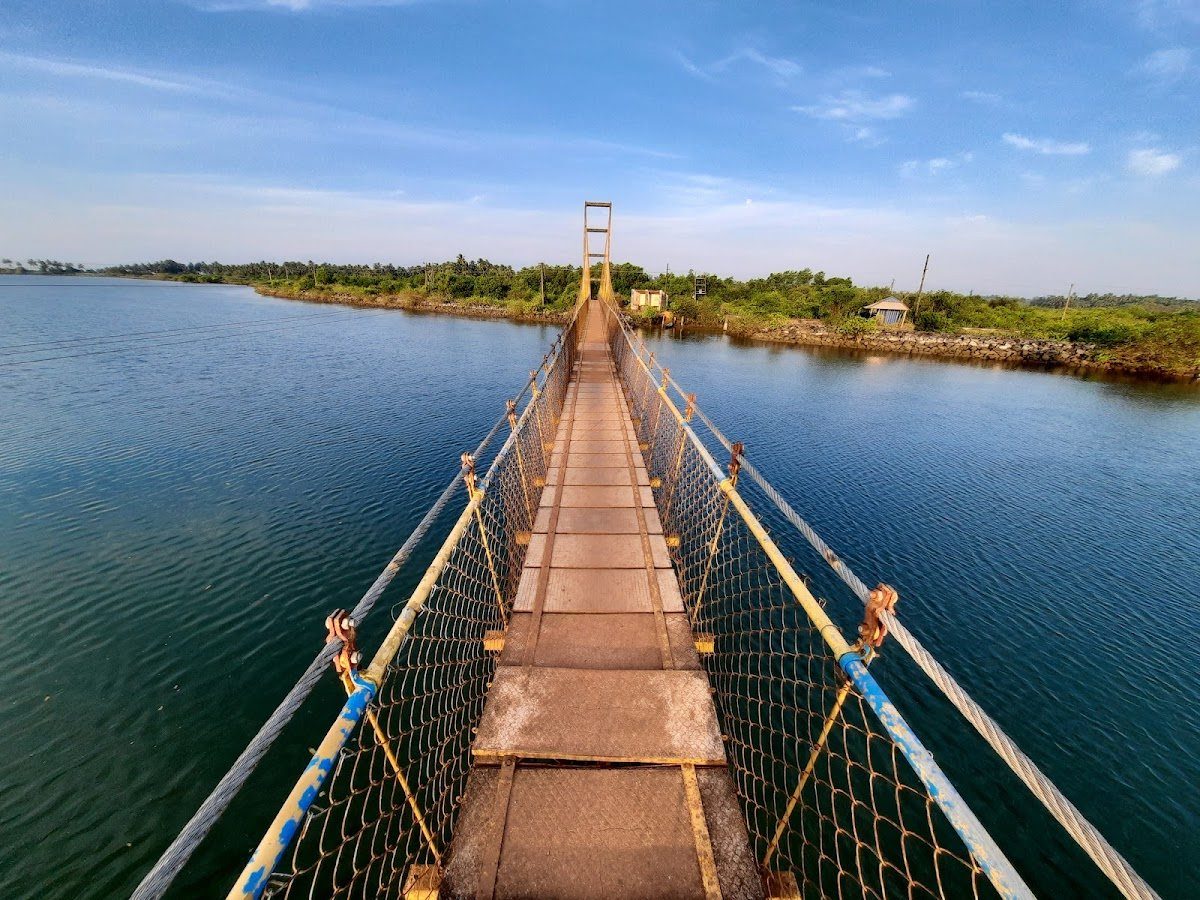
Pavinakurve
North end of the busiest nesting stretch, across the river from Honavar.
Read more →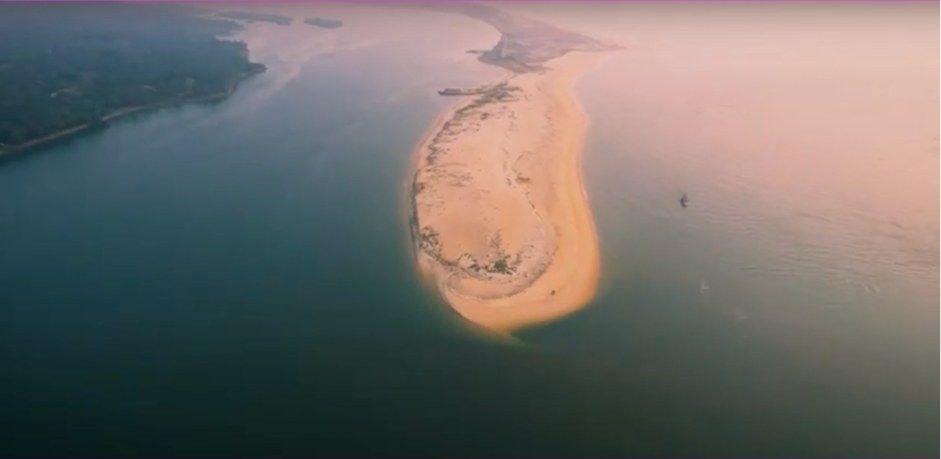
Tonka
The sand spit at the river mouth, guarded by its fishing families.
Read more →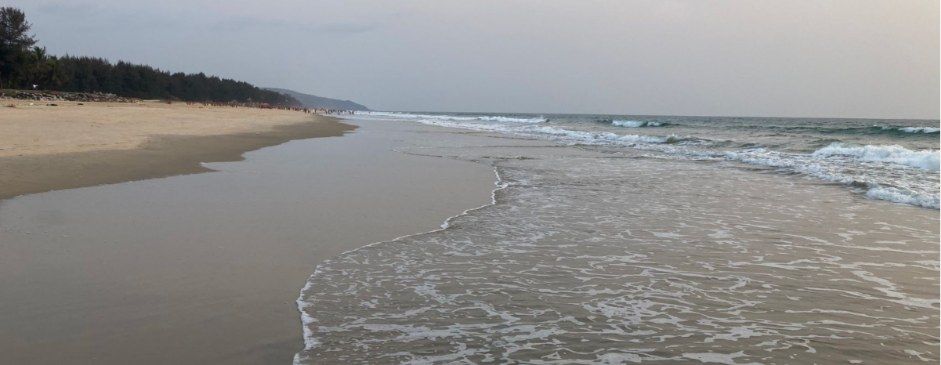
Kasarkod
The Blue Flag Eco Beach and the shore around it.
Read more →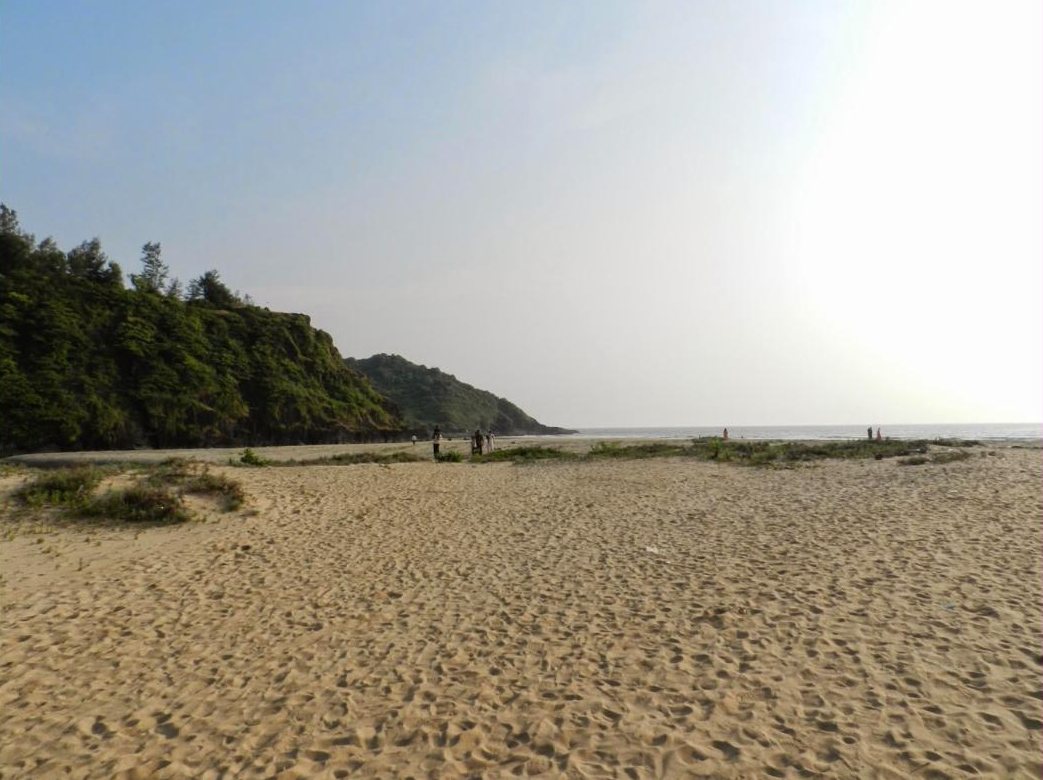
Apsarakonda
South end of the main stretch, below the rocky point.
Read more →These are sandy beaches with low dunes, very different from the rocky points nearby. Read sandy shores vs rocky shores: why we suggest you skip a beachfront stay.
More about the turtles
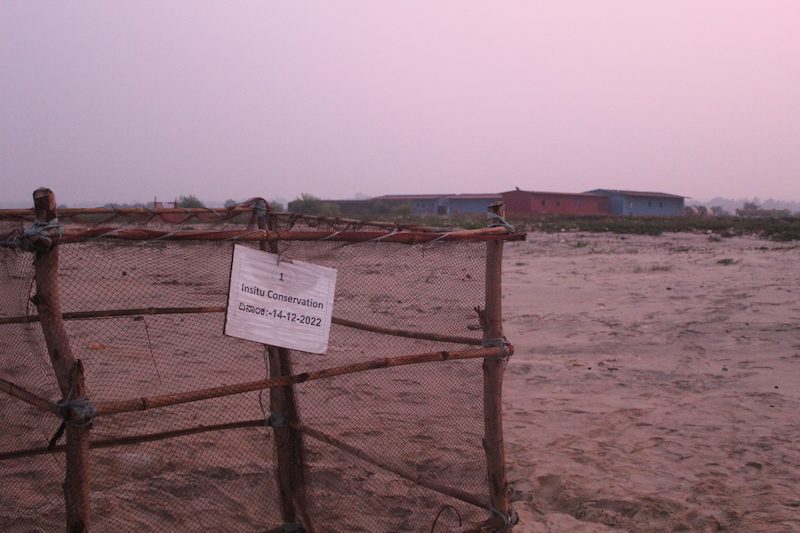
Nesting at Tonka
Season by season: nests, eggs and hatchlings.
Read more →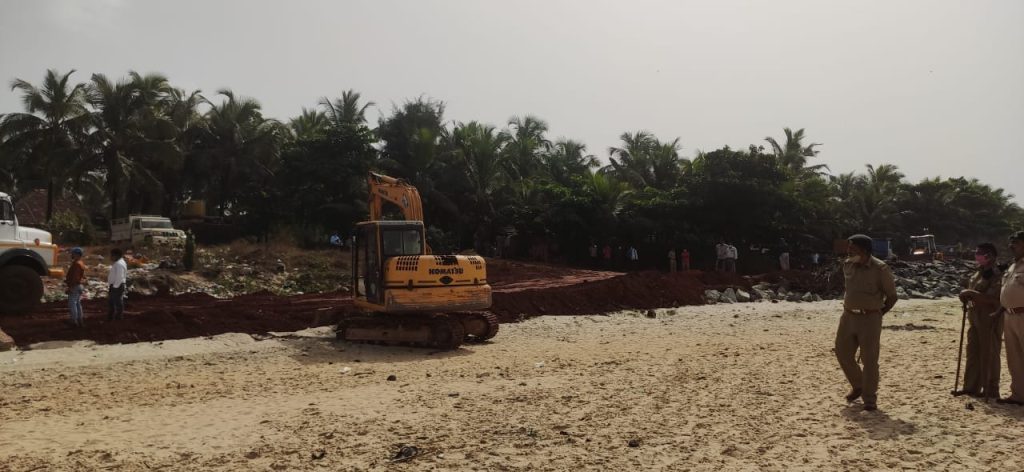
Conservation challenges
Development, lights, dogs and plastic on the nesting beach.
Read more →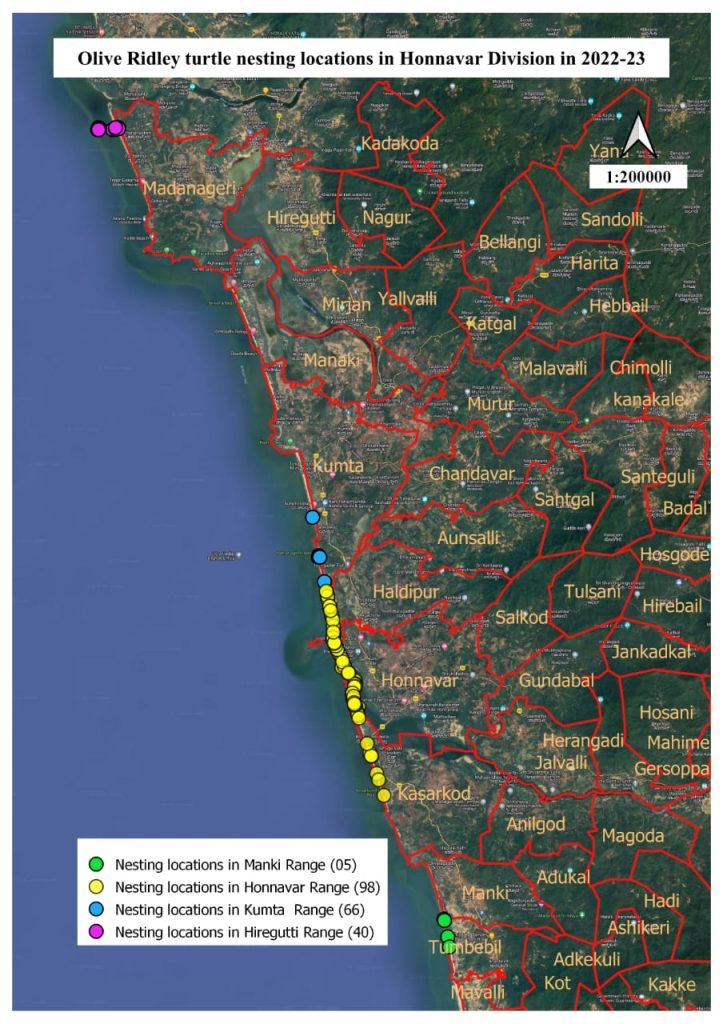
Data & research
Forest Department figures, maps and reports.
Read more →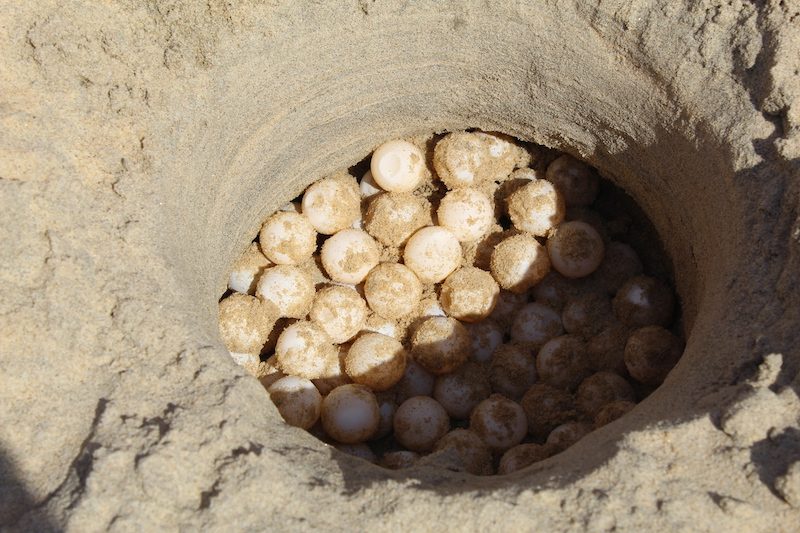
Photos & videos
Nests, hatchlings and the Tonka coast from the air.
Read more →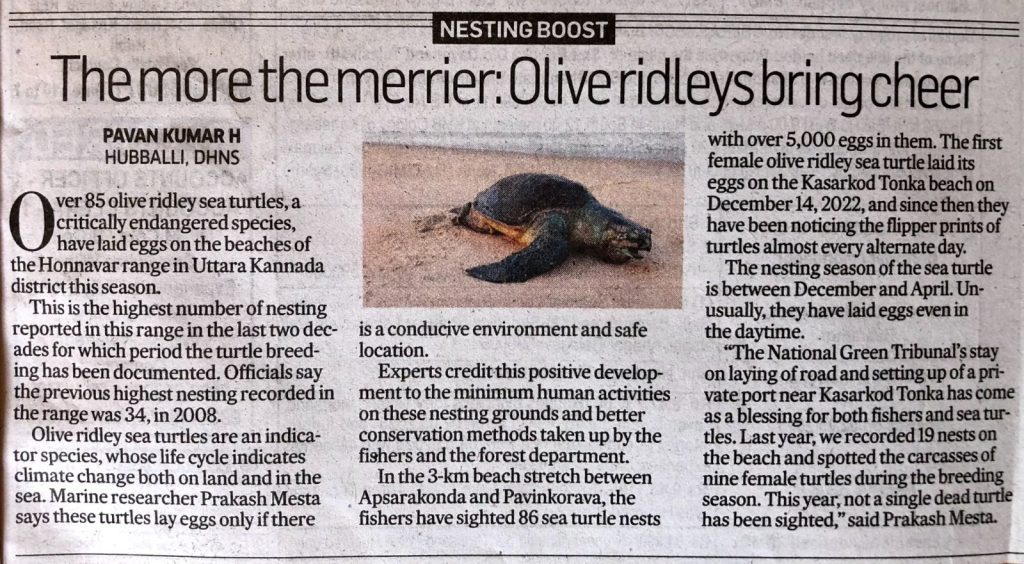
News & updates
Press coverage and updates since 2023.
Read more →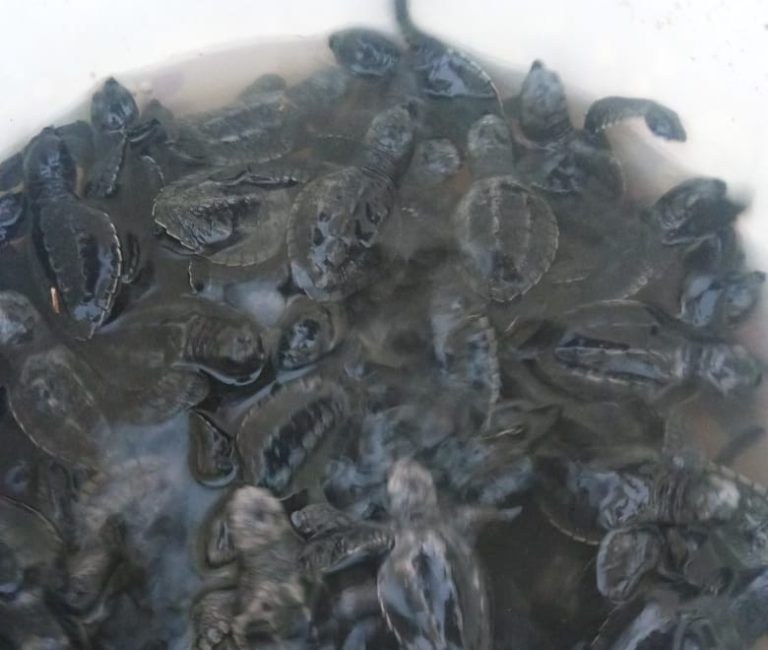
FAQ
Everything you wanted to ask about Olive Ridleys.
Read more →
Conservation & visits
Who protects the nests and how to visit responsibly.
Read more →
The Ocean Connection
The documentary about Tonka's fishermen and the turtles.
Read more →Watch: The Ocean Connection
A documentary on how the fishing community of Tonka came together to protect the turtles' nesting ground. More about the film →
Plan your trip
Ready for the river and the sea?
Pick a stay, choose an itinerary and book online on the property's site or a booking platform.