

History · The Pepper Queen
Rani Chennabhairadevi, the Pepper Queen
For 54 years the pepper of this coast answered to one woman. She ruled from Gerusoppa up the Sharavathi River. Her pepper sailed from Honavar to Arabia and Europe.
The queen who said no
In the 16th century the Portuguese wanted to control the spice trade of India's west coast. On this stretch of the Kanara coast they met a ruler who would not give in. Rani Chennabhairadevi of the Saluva family ruled from 1552 to 1606. Her reign of about 54 years is often described as the longest of any queen in Indian history.
Her kingdom ran along the coast from Trasi to the Goa border and up into the forests of the Western Ghats. Her ports were Honavar and Bhatkal. From them sailed pepper, cardamom, cinnamon, areca and sandalwood.
The Portuguese named her the Rainha da Pimenta, the Queen of Pepper. They fought her, lost to her and in the end learned to trade with her on her terms.
Deal with her with "humility, prudence and diplomatic wisdom."
Advice from the Portuguese king to his governor in Goa, as recorded by India Post
Her life, year by year
- Early 1500s
Born at Bhatkal
She grows up in the Saluva family that rules the coast for the Vijayanagara emperors. She is educated at the ghatikasthana (school of learning) at Haduvalli and trained in warfare, including fighting at sea.
- Before 1552
Governor of Haduvalli
As Mahamandaleshwari she first administers Haduvalli. At about 18 she is given Gerusoppa, which her maternal uncle had ruled.
- 1552
Queen of Gerusoppa
Her reign begins. Her lands stretch along the coast from Trasi to the Goa border and up into the Ghats, where pepper vines grow.
- 1558 to 1559
The first Portuguese defeat
Portuguese forces attack Honavar and are beaten back. In the same years she defeats the rulers of Keladi in battle.
- 1562
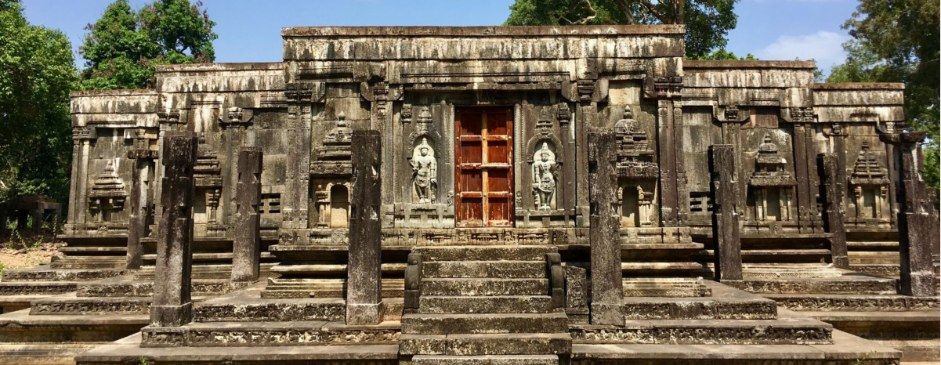
Chaturmukha Basadi
The four-faced Jain temple at Gerusoppa is built during her reign. It still stands in the forest by the Sharavathi River.
- 1560s
A refuge from the Inquisition
When the Inquisition begins in Portuguese Goa, she shelters people fleeing forced conversion, among them Saraswats, Kharvis and fishing families. She puts their skills to work.
- 1565
After Talikota
The Vijayanagara empire is broken at the Battle of Talikota. She sends help for its attempted revival at Penukonda.
- 1569 to 1571
War at the river mouth
The Portuguese take Honavar and build a small fort at the river mouth. Her forces fight back with help from Bijapur and besiege the fort.
- 1591
Handle with care
A Portuguese letter advises dealing with her carefully and diplomatically. She trades with them on her own terms.
- c. 1606
The end of a reign
Keladi and Bilgi join forces against her. Gerusoppa falls to Keladi and the queen dies a prisoner at Keladi.
- 2025
A stamp for the queen
On 24 July 2025 President Droupadi Murmu releases an India Post stamp in her honour at Rashtrapati Bhavan.
A kingdom built on spice
What she traded
Her wealth came from the farms of the coast and the Malnad hills. Despite the wars, she kept the trade going with Portuguese and Arab merchants.
Black pepper
The crop that made her famous. She encouraged farmers on the coast and in the Malnad to grow it and set up the trade to export it in bulk.
Spices
Cardamom, cinnamon, cloves and ginger went out with the pepper.
Areca and sandalwood
Betel nut and sandalwood from the Ghats forests were prized cargo.
Rice and jaggery
Grown and made on the coast, traded with the Portuguese and Arab merchants.
The same spices still grow in the Malnad hills today. Shop Malnad pepper, cardamom and more →
A refuge and a patron
When the Portuguese set up the Inquisition in Goa in the 1560s, many families fled south. The queen gave them shelter: Saraswat merchants, Kharvi boatmen, fishing families and skilled craftspeople. Their skills made her kingdom richer.
She was a Jain and built the four-faced Chaturmukha Basadi at Gerusoppa in 1562. She also gave grants to Shaiva, Vaishnava and Shakti temples. People of many faiths and trades lived side by side in her lands.
How her reign ended
Her neighbours at Keladi and Bilgi never stopped trying to take her lands. Around 1606 they joined forces and Gerusoppa fell to Keladi. The queen was taken prisoner and died in captivity at Keladi.
Her capital faded into the forest. Of the many temples that once stood at Gerusoppa, only a handful survive.
Day trip
Follow her trail from Honavar
Drive up the Sharavathi River valley to Gerusoppa in about 50 minutes, or north to Mirjan Fort in 40. Combine Gerusoppa with Jog Falls for a full day.
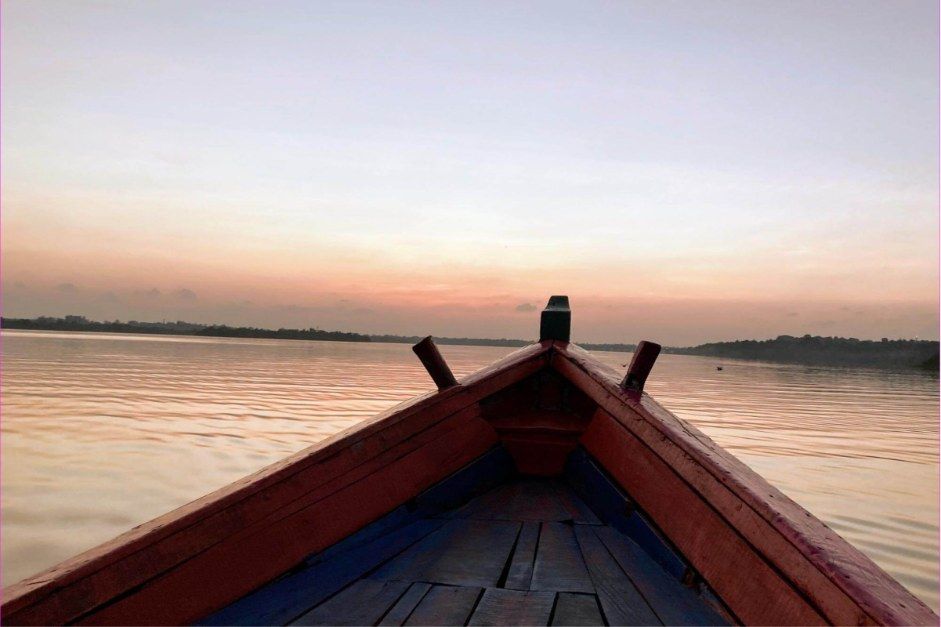
Sharavathi River Estuary
Where her pepper boats met the trading ships.
Read more →Chaturmukha Basadi
The four-faced Jain temple at Gerusoppa, built in 1562.
Read more →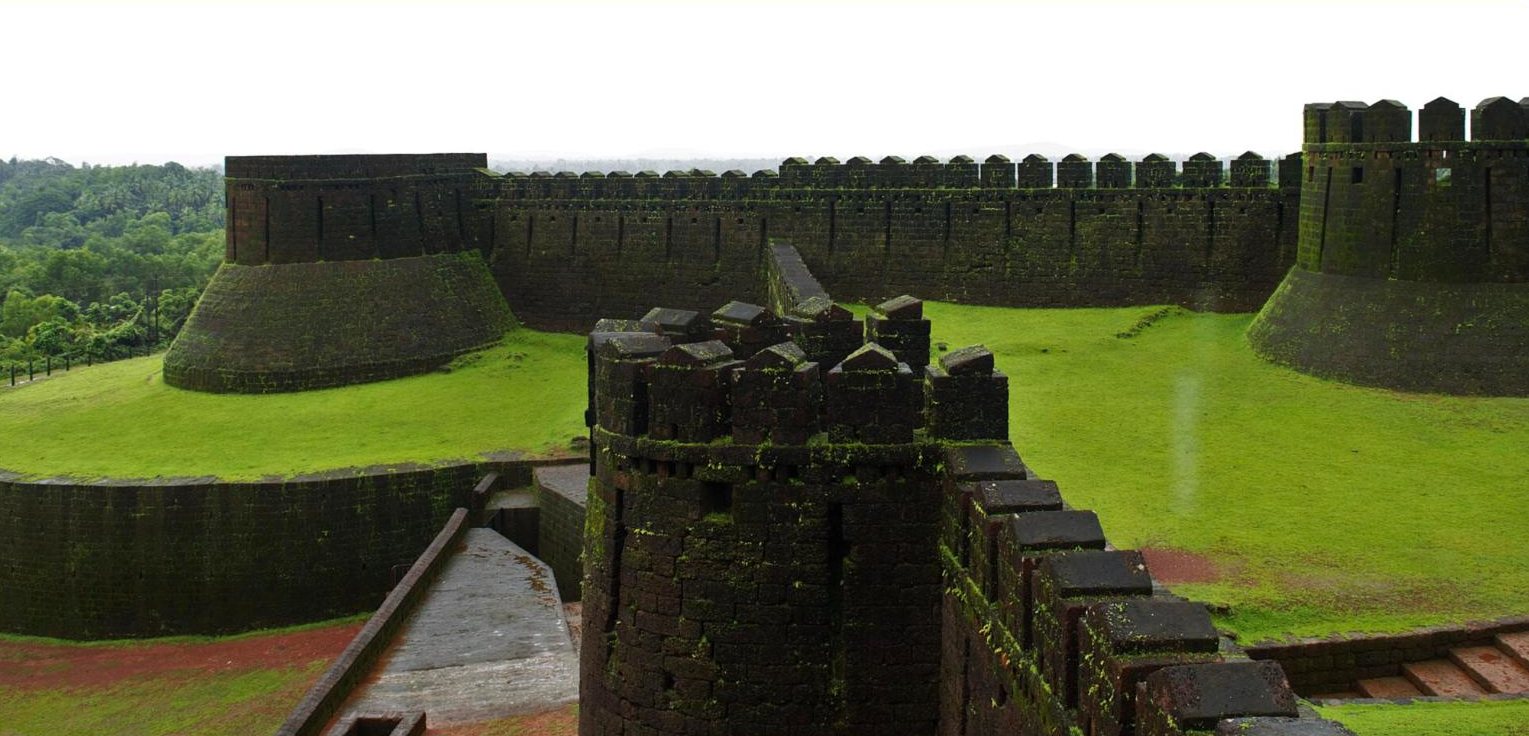
Mirjan Fort
A moated laterite fort on the Aghanashini, tied to her pepper trade.
Read more →History of Honavar
The full timeline of the river port.
Read more →Questions people ask
Who was the Pepper Queen?
Rani Chennabhairadevi, who ruled from Gerusoppa near Honavar from 1552 to 1606. The Portuguese called her the Rainha da Pimenta, the Queen of Pepper.
How long did she rule?
About 54 years, from 1552 to 1606. It is often described as the longest reign of any queen in Indian history.
Where was her capital?
Gerusoppa, about 32 km east of Honavar on the Sharavathi River. Honavar and Bhatkal were her main ports.
Did she fight the Portuguese?
Yes. Her forces beat back Portuguese attacks on Honavar in 1558 to 1559 and again around 1569 to 1571, with help from Bijapur. She also traded with them when it suited her.
What can I see today?
The Chaturmukha Basadi at Gerusoppa, built during her reign in 1562, Mirjan Fort near Kumta and the Sharavathi River estuary at Honavar, where her pepper boats met the ships.
Is there a stamp in her honour?
Yes. India Post released a commemorative stamp on 24 July 2025.
Sources: India Post commemorative stamp brochure (2025) and news reports of the stamp release. Historians differ on some dates.
Plan your trip
Ready for the river and the sea?
Pick a stay, choose an itinerary and book online on the property's site or a booking platform.