

Biodiversity · Coast
Coral & marine life
The Arabian Sea off the Kanara coast is warm, shallow near the shore and full of life: shoals of fish, rocky shores, coral reefs around offshore islands, sea turtles and dolphins.
A productive sea
Every monsoon, rivers like the Sharavathi River wash nutrients from the Western Ghats into the sea. Seasonal upwelling also brings cooler, nutrient-rich water towards the coast. The result is plenty of plankton, which feeds huge shoals of small fish such as mackerel and sardines.
The catch you see at the harbour tells the story: Indian mackerel (bangude), oil sardine (bhutai), ladyfish (kane), pomfret, seer fish (anjal), prawns and crabs. See fish and fisheries.
Habitats along the coast
Sandy beaches
Ghost crabs race across the sand at dusk. Olive Ridley sea turtles nest on quiet beaches such as Tonka in winter. Sandy beaches →
Rocky shores
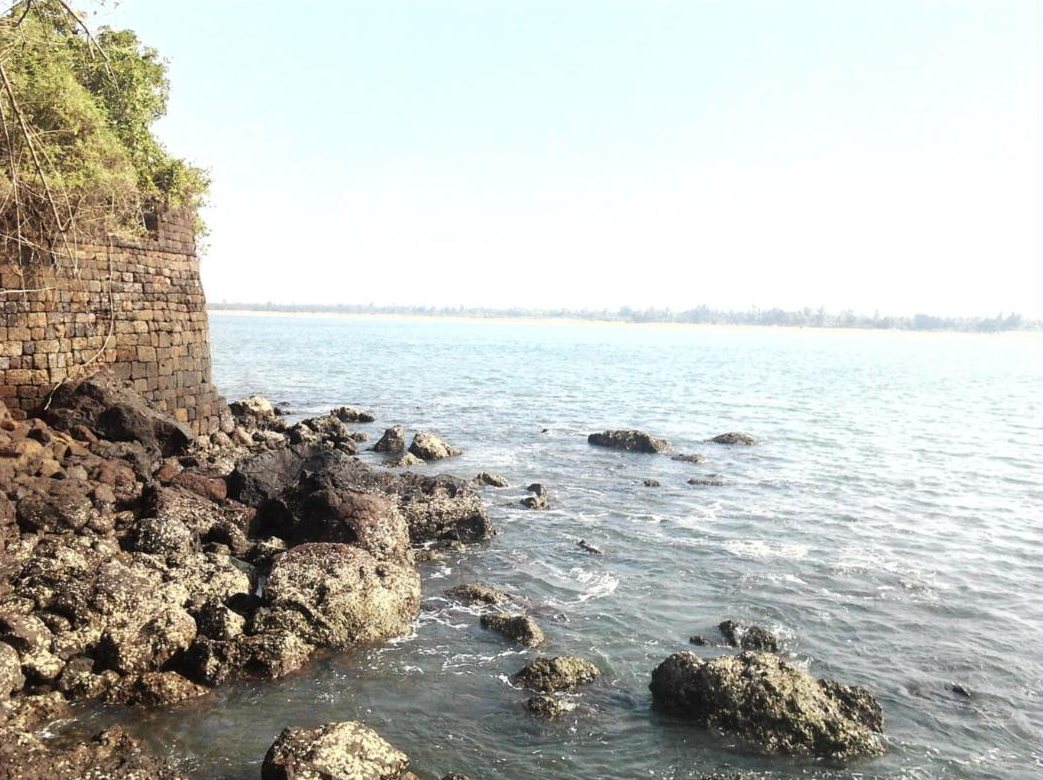
Where rock meets the sea, at Apsarakonda, Manki and the island forts, tide pools hold barnacles, oysters, limpets, snails, crabs and seaweeds. Rocky shores →
Estuaries and mangroves
Brackish water and mangrove roots shelter young fish, prawns and crabs. The estuary →
Coral reefs
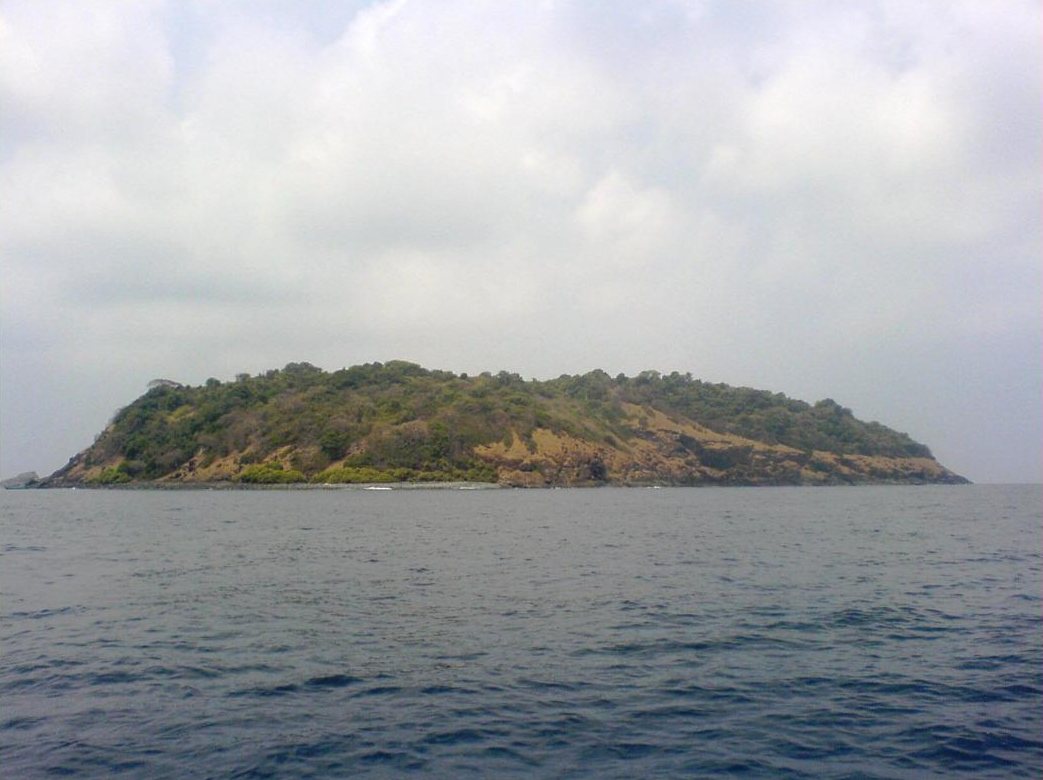
Coral grows on rocky reefs around offshore islands along the Karnataka coast. The best studied is Netrani Island, about 18 km off Murudeshwar.
Open sea
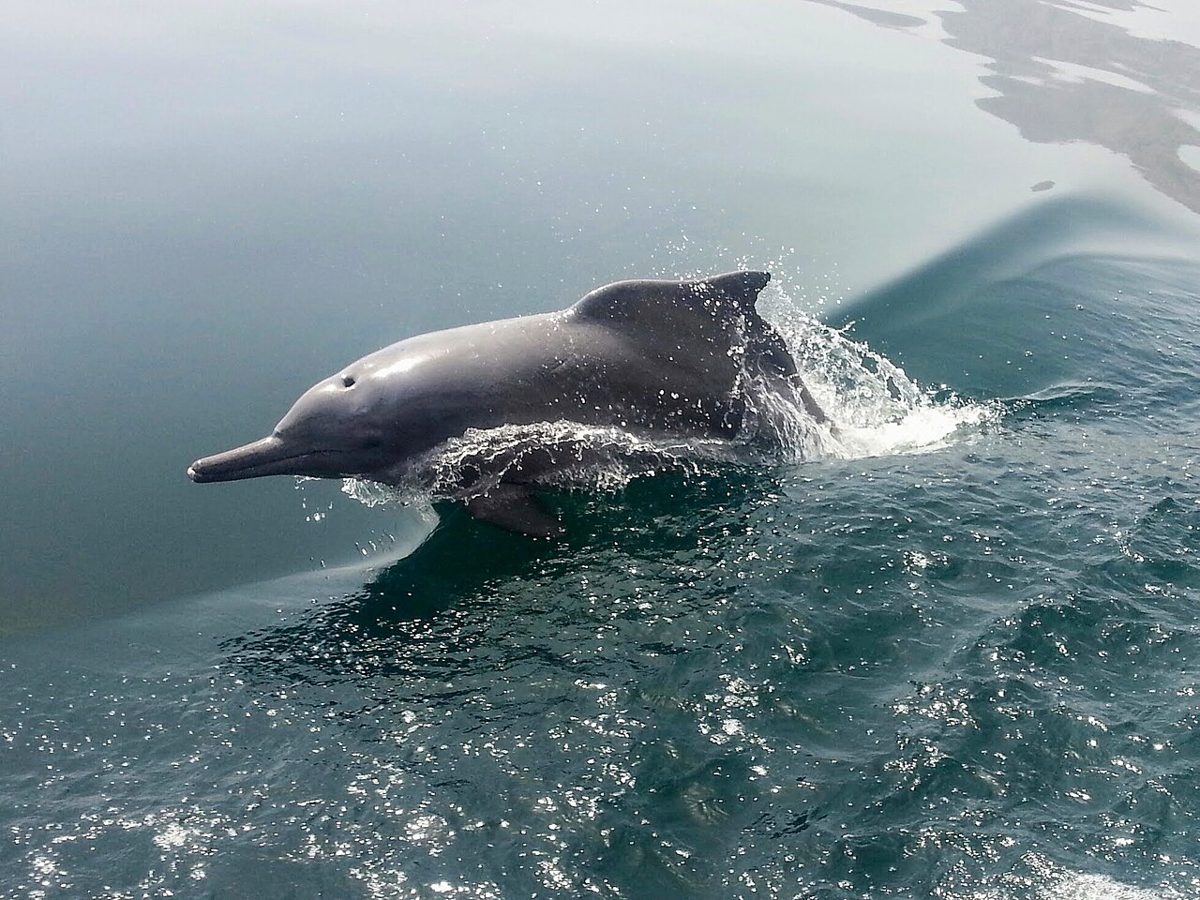
Sea turtles, dolphins and porpoises travel along the coast. Terns and gulls follow the fishing boats. Dolphins →
What lives on a Karnataka reef
In May 2006, CMFRI scientists dived the reef around Netrani Island. They recorded 14 coral species in 11 genera, 92 kinds of fish (26 of them new records for the Indian coast), 48 sea snails, 15 bivalves, 17 crabs, 4 lobsters, 6 sponges and 7 seaweeds.
They also saw red-listed species: the whale shark, the humphead wrasse and the giant clam Tridacna maxima, its first report from mainland Indian waters. Never touch, stand on or take anything from a reef.
Sea turtles and sea snakes
Five kinds of sea turtle live in Indian seas. The Olive Ridley is the only one known to nest on the Karnataka coast. Green, hawksbill and leatherback turtles have been reported offshore or caught in nets.
Sea snakes are sometimes caught in fishing nets along the west coast. A study of fisheries bycatch across India found the beaked sea snake (Hydrophis schistosus) to be the most common. Sea snakes are venomous: never handle one.
Seeing it for yourself
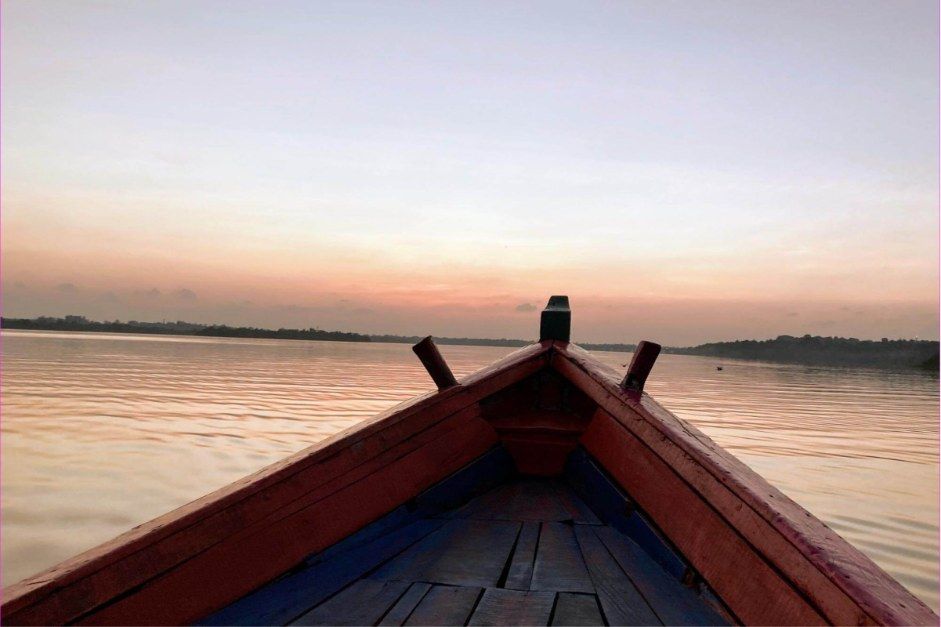
Watch the boats come in at dawn at the fishing harbour, explore rock pools at low tide at Apsarakonda, walk the mangrove boardwalk or learn about the turtles of Tonka. For coral, divers and snorkellers head to Netrani from Murudeshwar between roughly November and May (scuba and snorkelling).
The monsoon fishing ban from 1 June to 31 July gives fish time to breed. The sea stays rough until about September.
Research behind this page (6)
- Zacharia P.U., Krishnakumar P.K., Dineshbabu A.P. et al. (2008). Species assemblage in the coral reef ecosystem of Netrani Island off Karnataka along the southwest coast of India. Journal of the Marine Biological Association of India 50(1): 87–97.
- Jadhav S.J. et al. (2025). Phenology of coastal upwelling in the southeastern Arabian Sea. Journal of Earth System Science 134: 187.
- Sea Turtles of India. Karnataka: distribution and status (citing Sharath B.K. 2002, 2006).
- Patra R. et al. (2026). Sea snake (Serpentes: Elapidae: Hydrophiinae) diversity and distribution in Indian waters from fisheries bycatch. Zoological Journal of the Linnean Society.
- Kaladharan P., Zacharia P.U. & Vijayakumaran K. (2011). Coastal and marine floral biodiversity along the Karnataka coast. Journal of the Marine Biological Association of India 53(1): 121–129.
- Singh Y.T., Samuel V.D., Meenakshi V.K., Siva Sankar R. & Narasimhaiah N. (2018). Intertidal biodiversity of Karnataka, south west coast of India. In: Perspectives on Biodiversity of India, Vol. III (4th Indian Biodiversity Congress).
More biodiversity
Dolphins & porpoises
Humpback dolphins and finless porpoises of the Kanara coast.
Read more →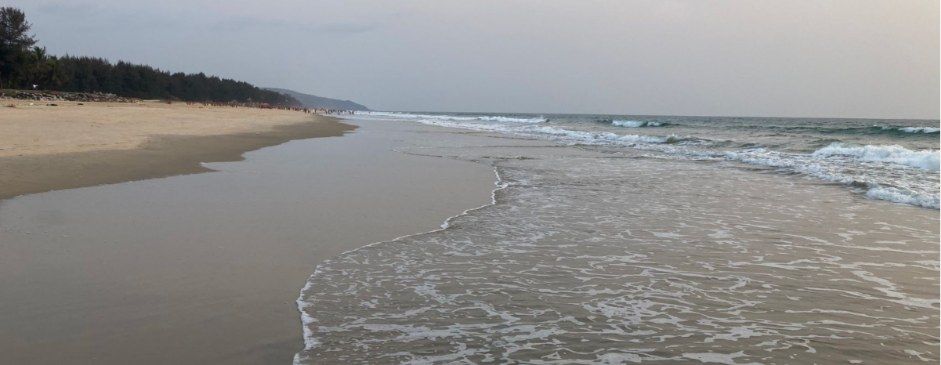
Sandy beaches
A moving shore of spits, erosion and turtle nests.
Read more →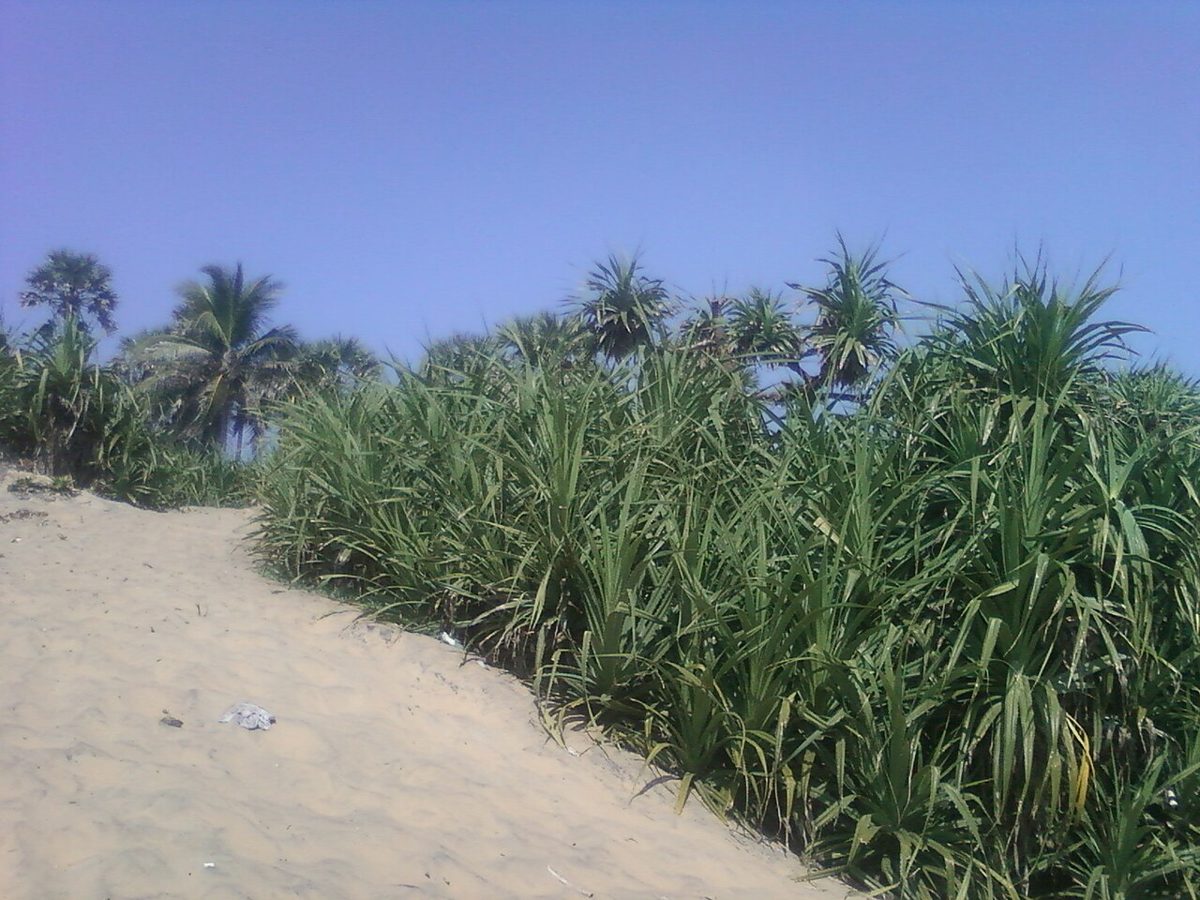
Sand dunes
Creepers, screw pines and the coast's natural sea wall.
Read more →Rocky shores
Oysters, limpets and seaweeds between the tides.
Read more →Plan your trip
Ready for the river and the sea?
Pick a stay, choose an itinerary and book online on the property's site or a booking platform.