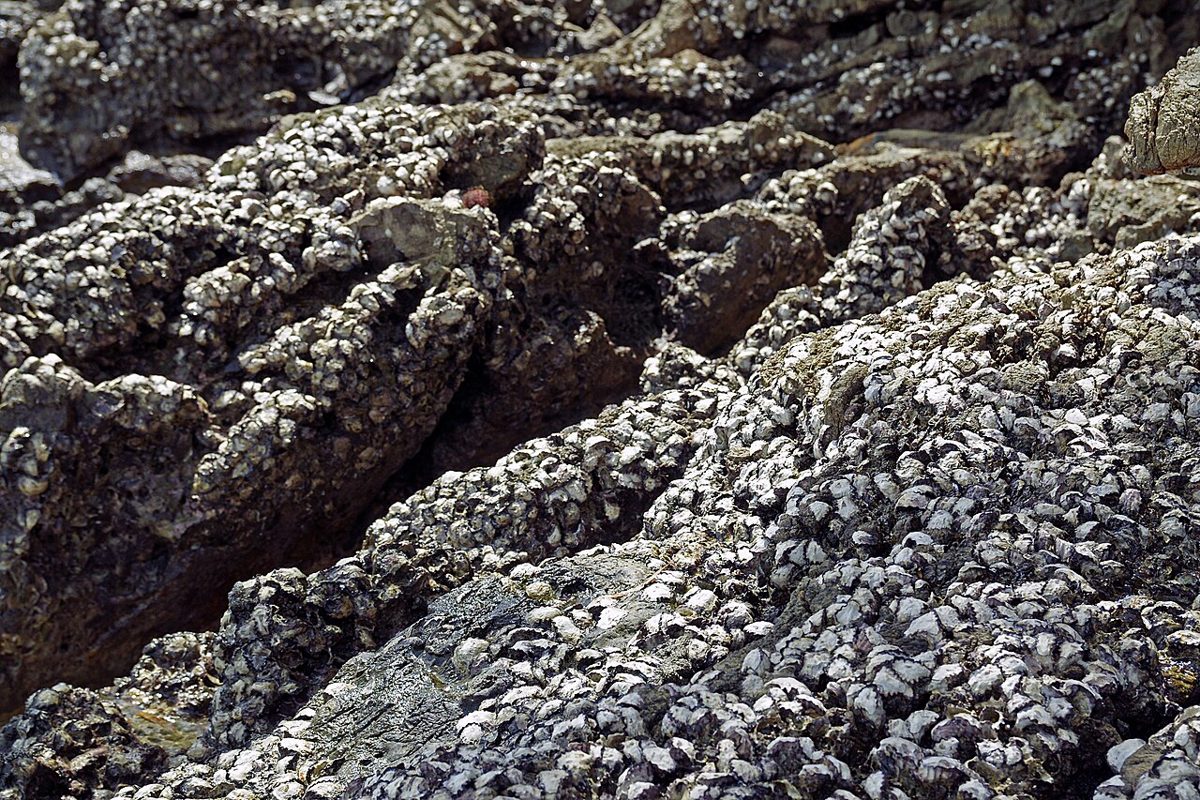
Rock oyster
Saccostrea cucullata
Found all along the Karnataka coast. People eat it and use it as fish bait.
Photo: kallerna, CC BY-SA 3.0
Biodiversity · Coast
Where hard rock meets the sea, at Apsarakonda, the island forts and the headlands to the north, life clings on in bands between the tides: barnacles, oysters, limpets, snails, crabs and seaweeds.
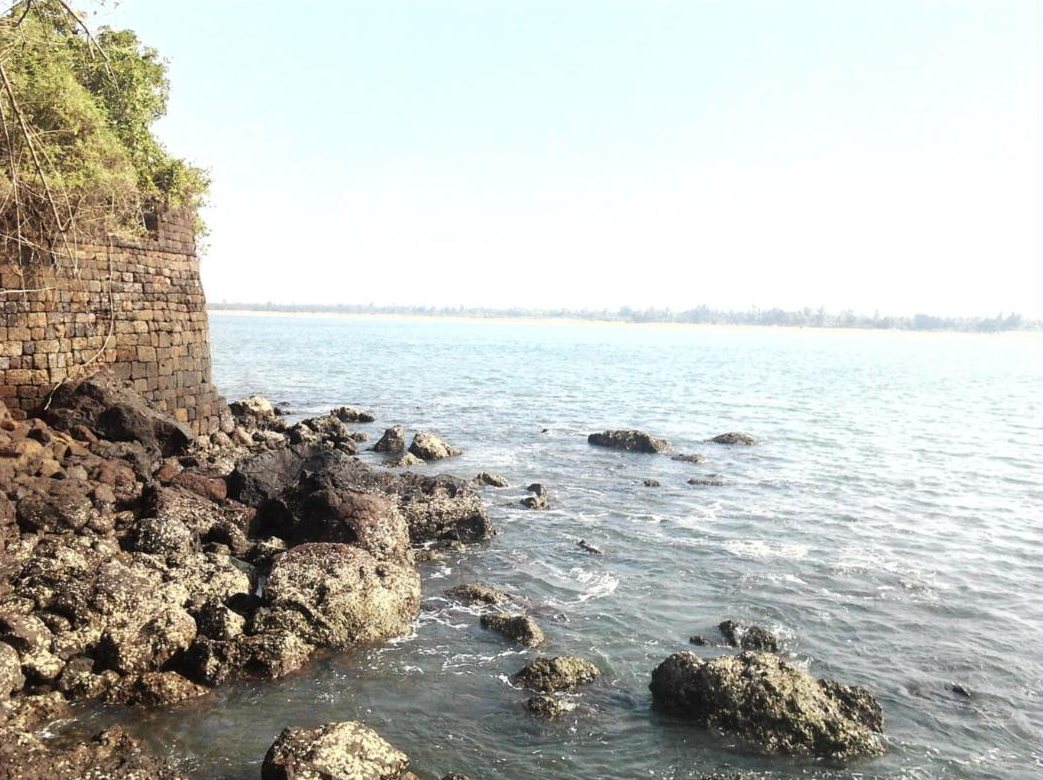
Most of Honavar's coast is sand, but rock breaks through in places. There is the rocky point and pools at Apsarakonda, the island fort of Basavaraj Durga off the river mouth and the clusters of rocky islets at Murudeshwar. Further out lies the coral-fringed Netrani Island.
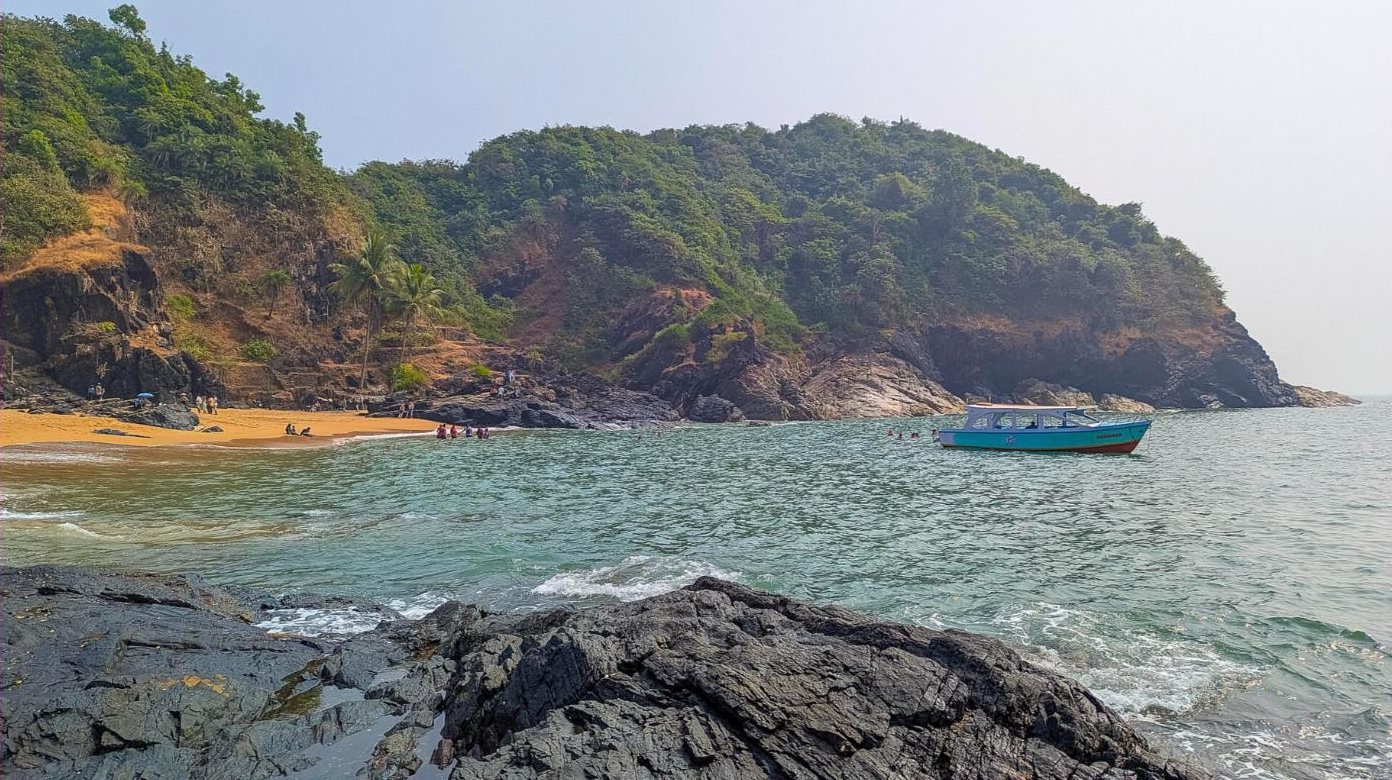
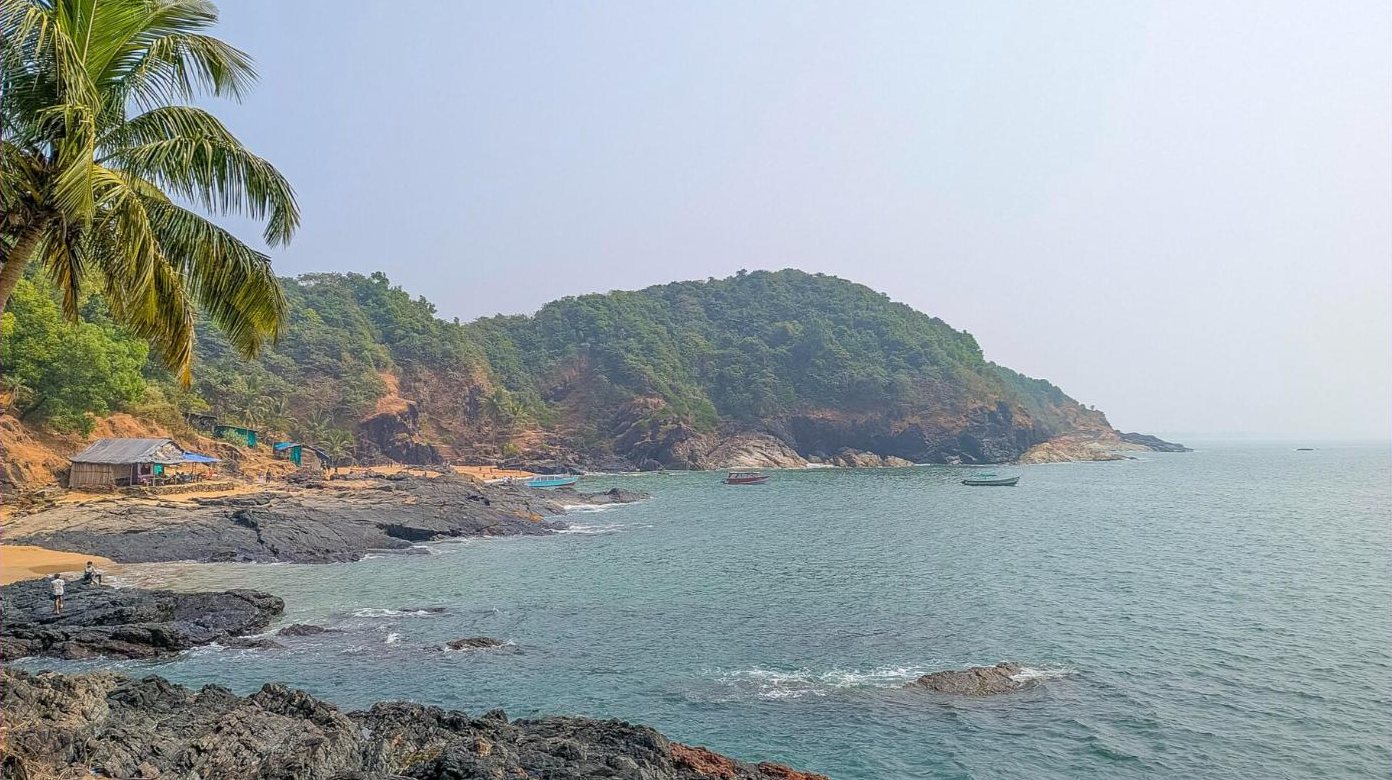
North of Honavar, from Kumta and Gokarna to Karwar, the coast becomes rugged and mostly rocky, with short sandy coves between capes. The headlands are made of granitic gneiss, an ancient hard rock, capped with red laterite. Scientists find the Uttara Kannada coast rockier and richer in seaweeds than the southern districts of Karnataka.
On a rocky shore, each animal and plant lives at the height where it can survive the twice-daily tides. Studies on India's west coast describe three main zones.
Splash zone (top): reached only by spray. Periwinkles, Planaxis snails and fast-running sea slaters hide in cracks.
Middle shore: covered and uncovered by every tide. A belt of barnacles, then a belt of rock oysters (Saccostrea cucullata), with Nerita snails grazing between them.
Lower shore (bottom): uncovered only at low tide. Limpets, top shells, sea anemones, mats of zoanthids, rock-boring mussels and leafy seaweeds.
Saccostrea cucullata
Found all along the Karnataka coast. People eat it and use it as fish bait.
Photo: kallerna, CC BY-SA 3.0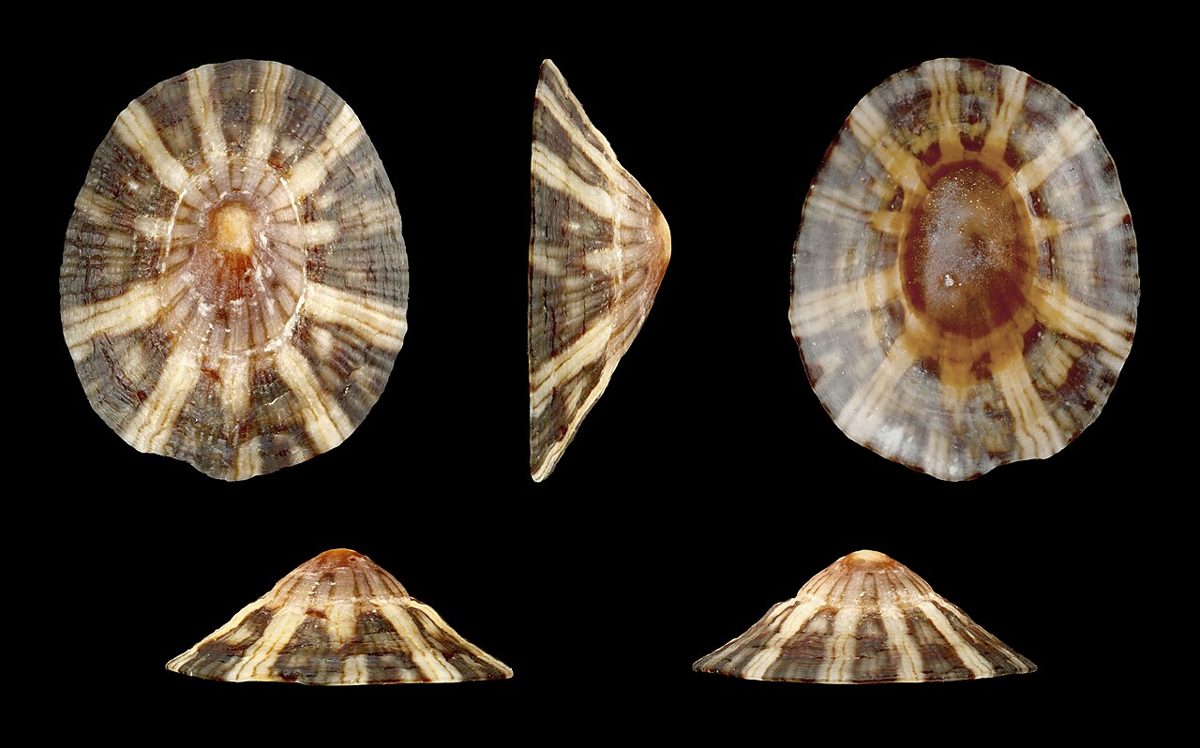
Cellana radiata
A cone-shaped snail that clamps tight to the rock at low tide and grazes algae when covered.
Photo: H. Zell, CC BY-SA 3.0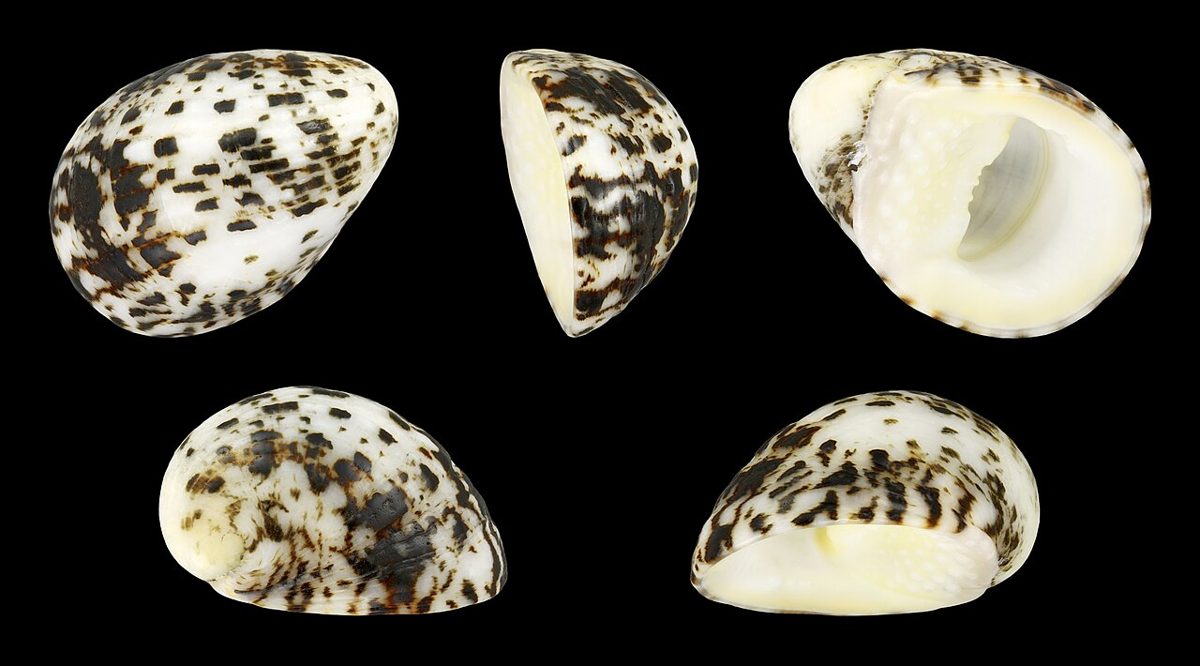
Nerita spp.
Thick-shelled snails that graze the middle shore.
Photo: H. Zell, CC BY-SA 3.0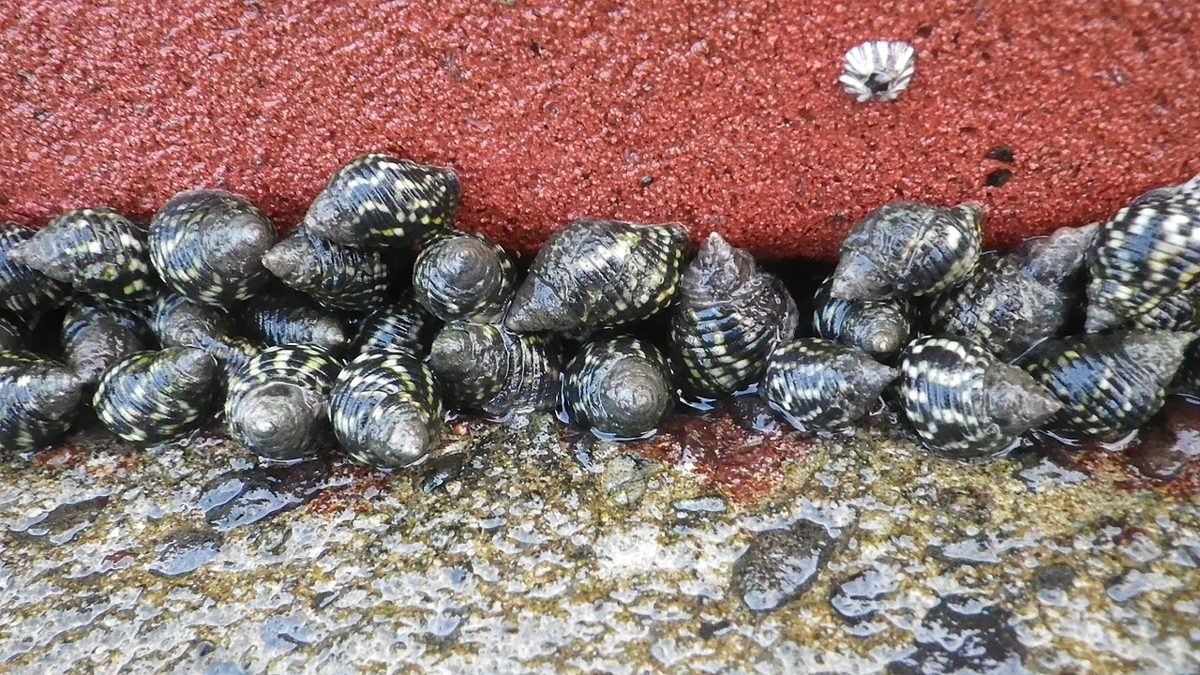
Planaxis sulcatus
Small dark snails that crowd into crevices high on the shore.
Photo: PD files, Public domain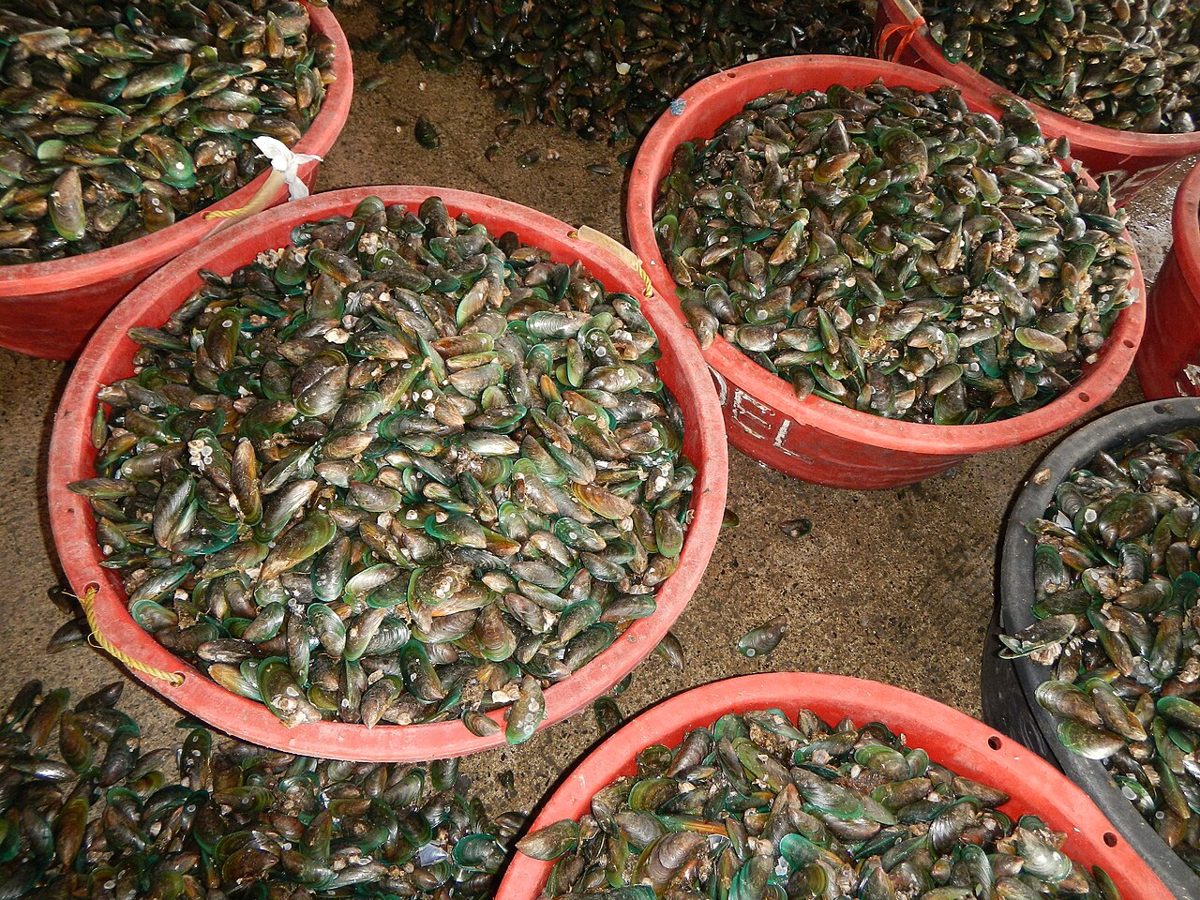
Perna viridis
Forms beds on rocky shores near Karwar, where young mussels settle from October to February. A prized seafood.
Photo: Judgefloro, CC BY-SA 4.0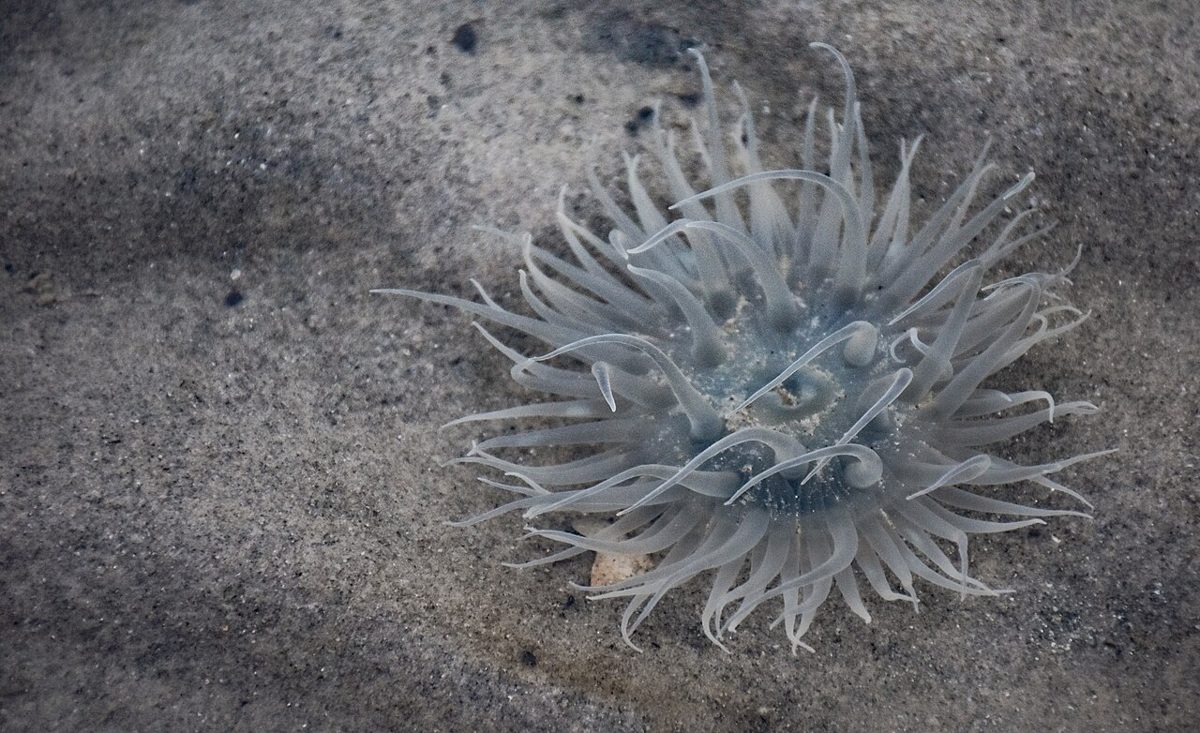
Flower-like animals that close up at low tide and open their stinging tentacles underwater.
Photo: Pubali TSG, CC BY-SA 4.0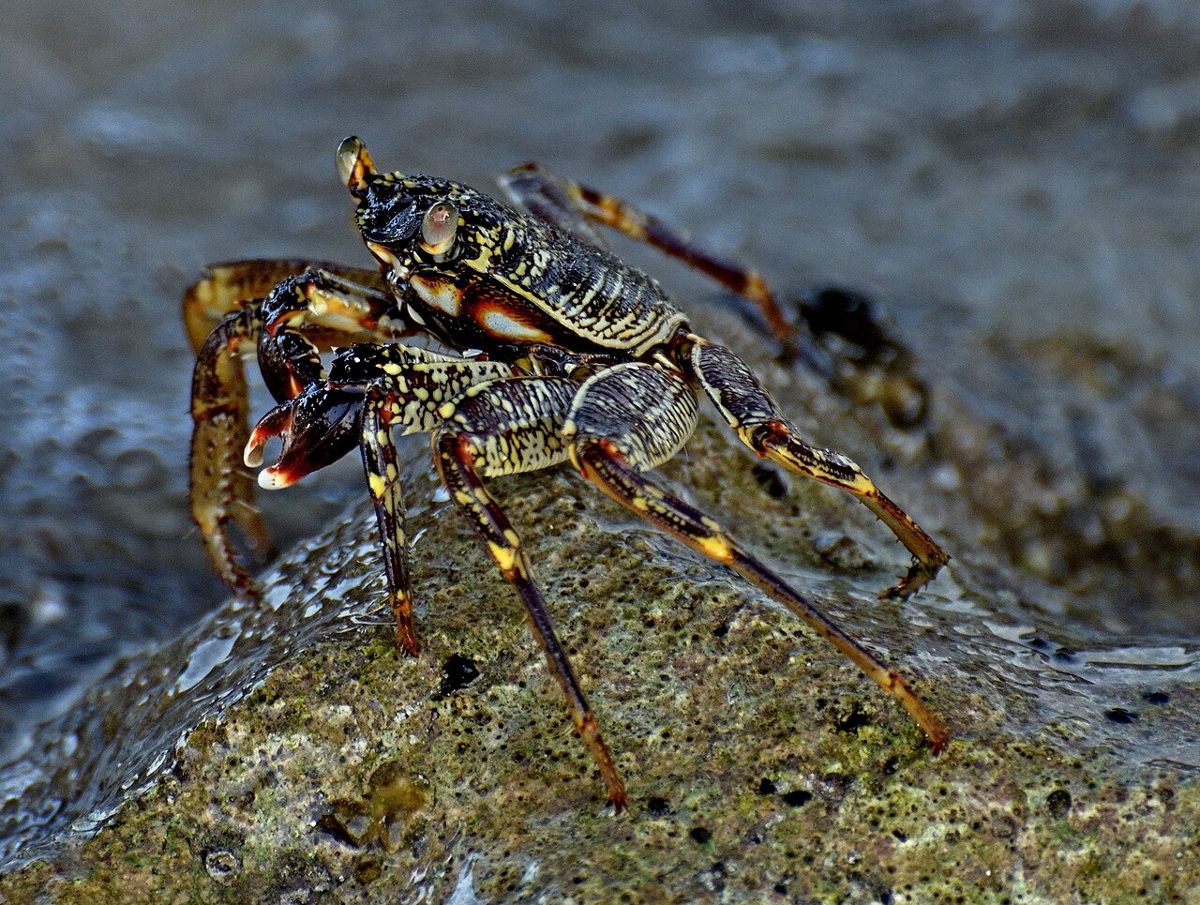
Grapsus spp.
Agile crabs that scuttle over wet rocks just above the waves on tropical rocky shores.
Photo: Ввласенко, CC BY-SA 3.0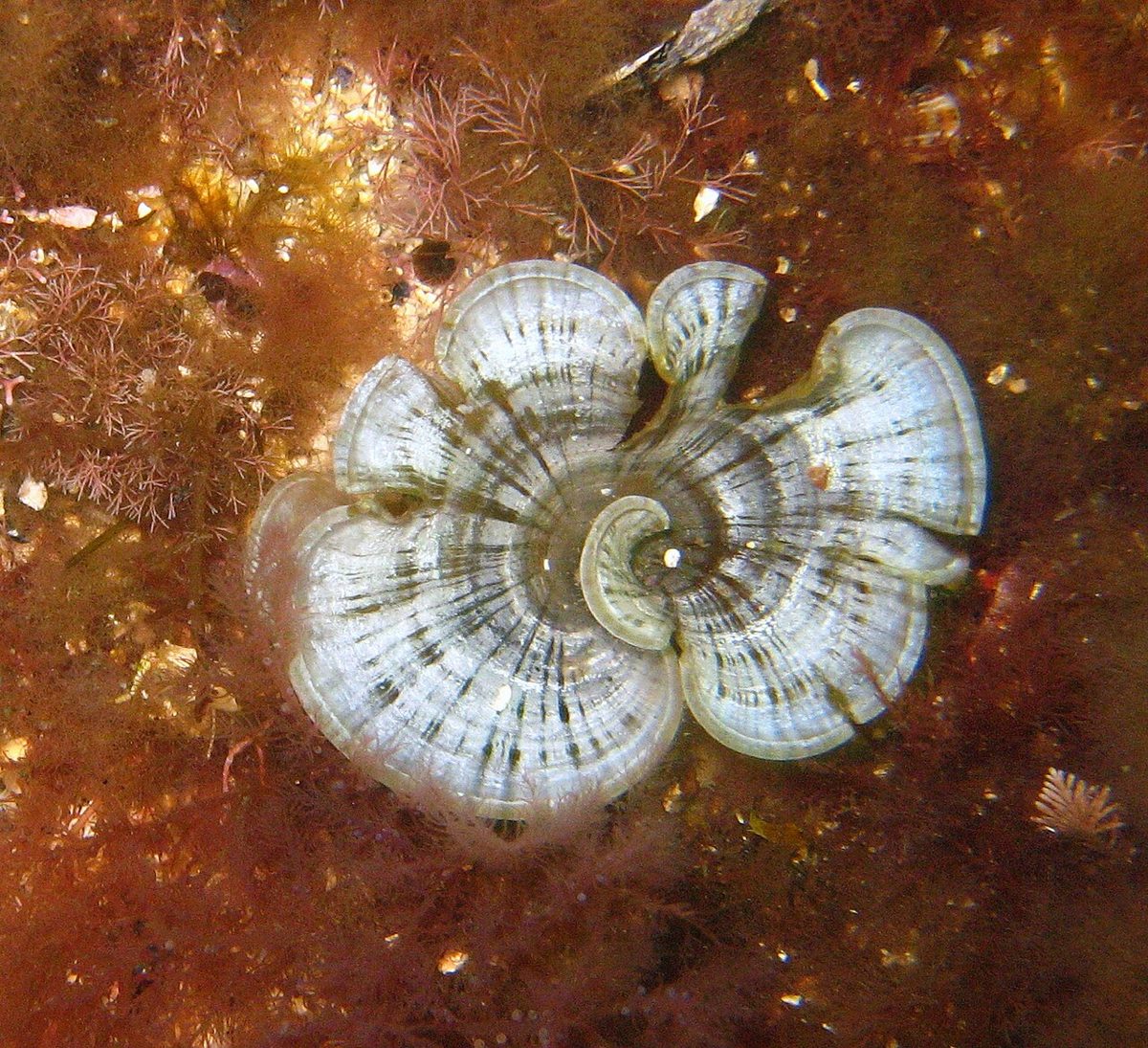
Padina tetrastromatica
A fan-shaped brown seaweed of rock pools.
Photo: Matthieu Sontag, CC BY-SA 3.0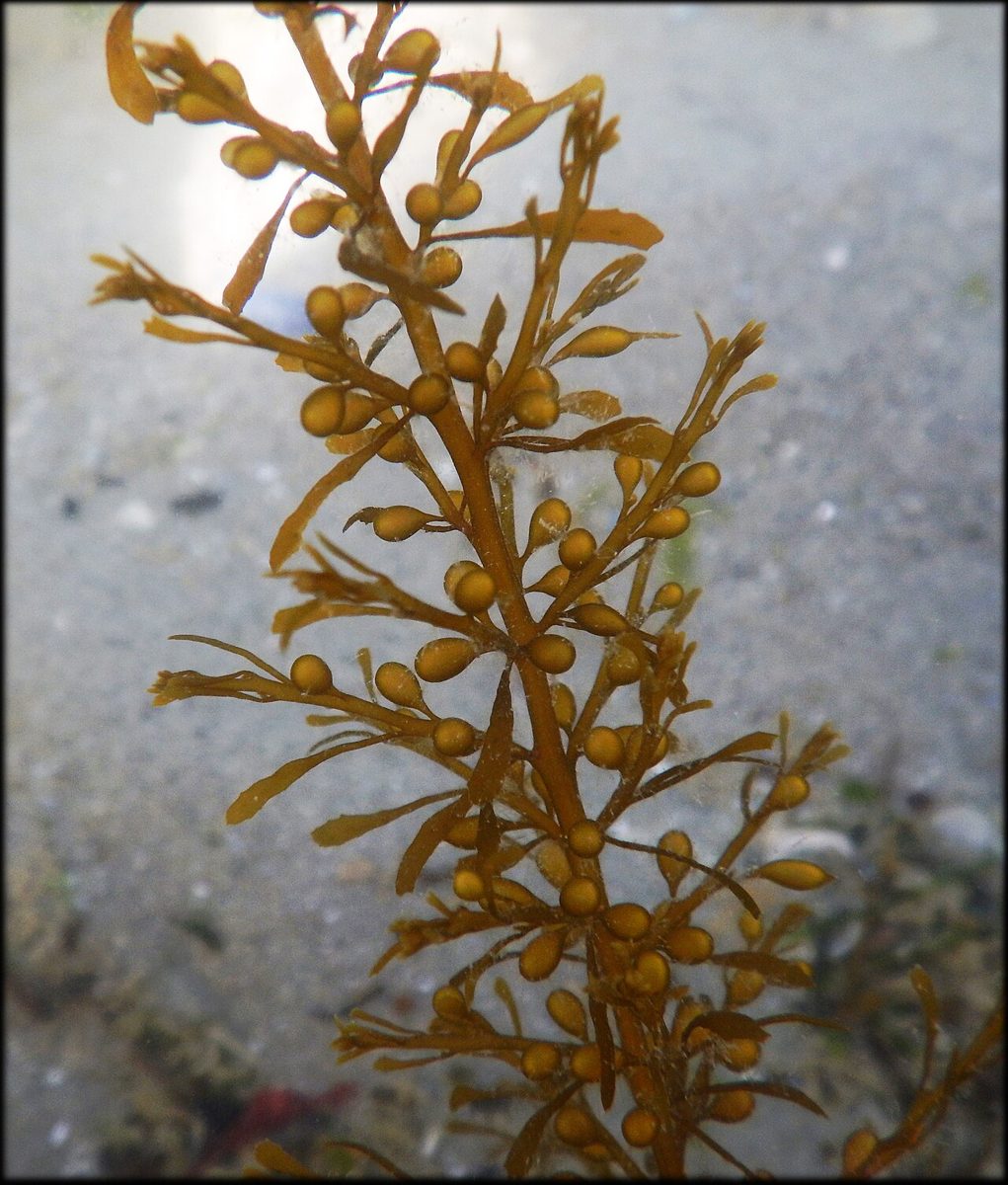
Sargassum spp.
A branching brown seaweed with small air bladders, one of the dominant seaweeds of Karnataka's rock pools.
Photo: Lamiot, CC BY-SA 4.0A Botanical Survey of India study listed 108 seaweeds on the Karnataka coast: 36 green, 30 brown and 42 red. Collection sites included Honavar's Eco Beach, the fishing harbour and Tonka. Three of them, Porphyra kanyakumariensis, Grateloupia indica and Hypnea flagelliformis, are thought to be found only in Karnataka.
A 2025 survey of rock pools at 71 places, including Honavar, Kumta and Bhatkal, found 65 seaweeds: 20 green, 27 red and 18 brown. Ulva, Chaetomorpha and Sargassum were the most common. The researchers found fewer kinds than earlier surveys had recorded.
A survey of 12 beaches from Someshwar to Karwar found 93 animals and 6 plants between the tides. Snails made up 30% and bivalves 23%. The surveyors also noted tar balls and sewage pollution on some beaches.
Rocks covered in seaweed are slippery. Waves can surge up without warning. In April 2025 two medical students drowned off the rocks at Gokarna when strong waves struck. Go at low tide in calm weather, wear shoes with grip, watch the sea and never turn your back on it. Keep off the rocks during the monsoon.
Look, but leave animals where you find them, turn back any rock you lift and do not collect live shells. For corals, see coral and marine life.
Plan your trip
Pick a stay, choose an itinerary and book online on the property's site or a booking platform.