

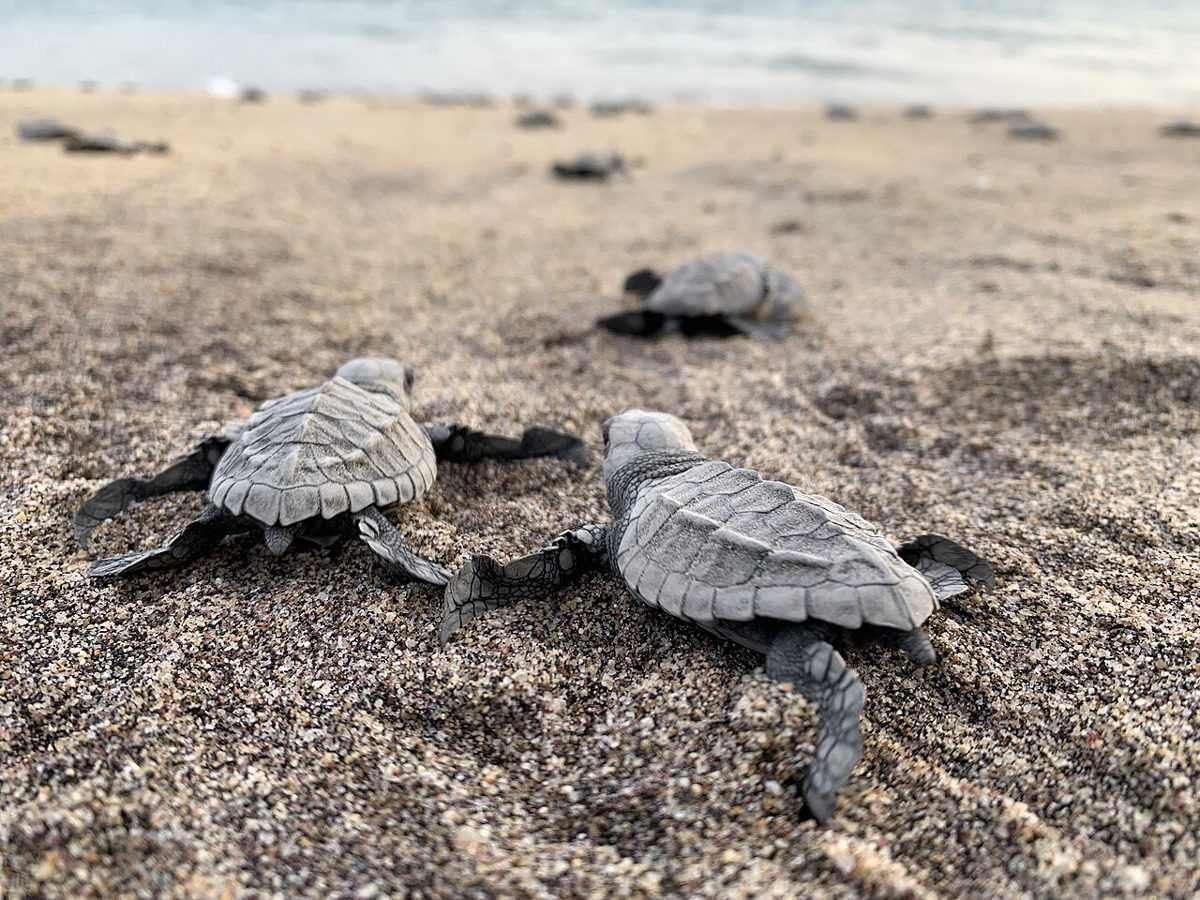
Biodiversity · Coast
Sandy beaches
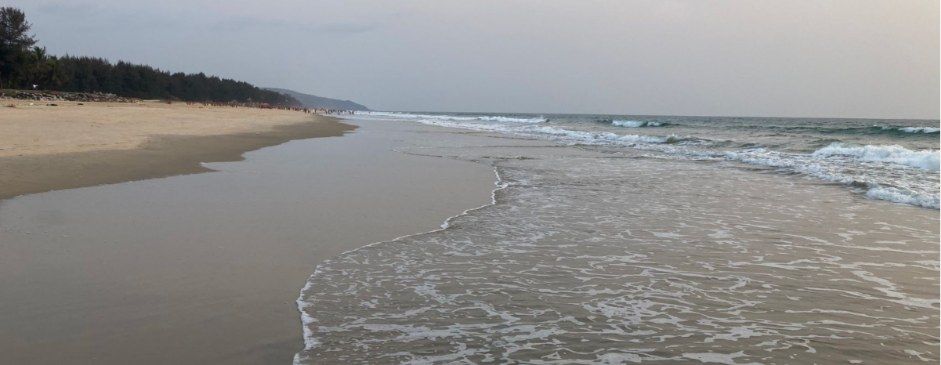
Honavar's sandy shores are never still. Waves and the Sharavathi River move the sand every season, building a long spit at the river mouth and eating away at other stretches.
about 5 kmthe Kasarkod and Tonka sand spit
22%of Karnataka's coast eroding (1990 to 2016)
2 to 4 mmonsoon waves near the river mouth
2020Blue Flag for Kasarkod Eco Beach
A shore that keeps moving
The sand spit of Kasarkod and Tonka, at least 5 km long, separates the Sharavathi River from the sea. After the monsoon, waves push sand northwards and build the spit across the river mouth. From December to February the drift turns south and wears away the beach north of the mouth. The small islands near the mouth also change how waves reach the shore.
Geologists measured monsoon waves of 2 to 2.5 m near the river mouth, sometimes up to 4 m. Local fishers say the river mouth has shifted north over the years.
Eroding and growing
The National Centre for Coastal Research mapped India's shoreline from 1990 to 2016. Of Karnataka's 313 km, 22% was eroding, 48% was stable and 30% was growing. In Uttara Kannada about 17 km of the 176 km coast was eroding and about 51 km was growing.
Around Honavar the picture is mixed. Kasarkod and Apsarakonda are eroding, while Pavinakurve, Murudeshwar and Gokarna are building up sand. Data presented in Parliament in 2023 showed Kasarkod had lost about 67,000 m² of land to erosion and Apsarakonda about 53,000 m².
Behind the beach, low dunes held together by creepers and grasses act as a store of sand. Read more on the sand dunes page.
Life on the sand
A sandy beach looks empty by day, but much of its life is hidden in burrows or arrives at night.
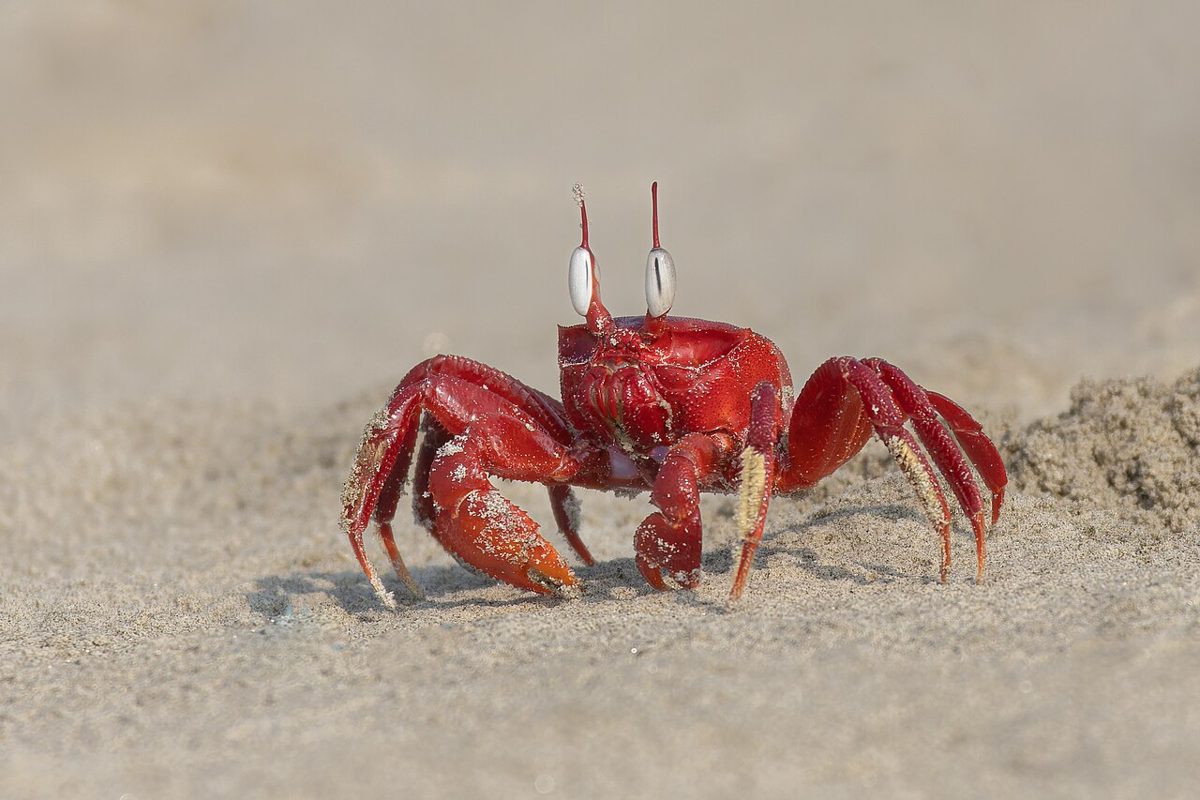
Ghost crabs
Ocypode spp.
Pale or red crabs that dig deep burrows above the tide line and race across the sand at dusk.
Photo: Tisha Mukherjee, CC BY-SA 4.0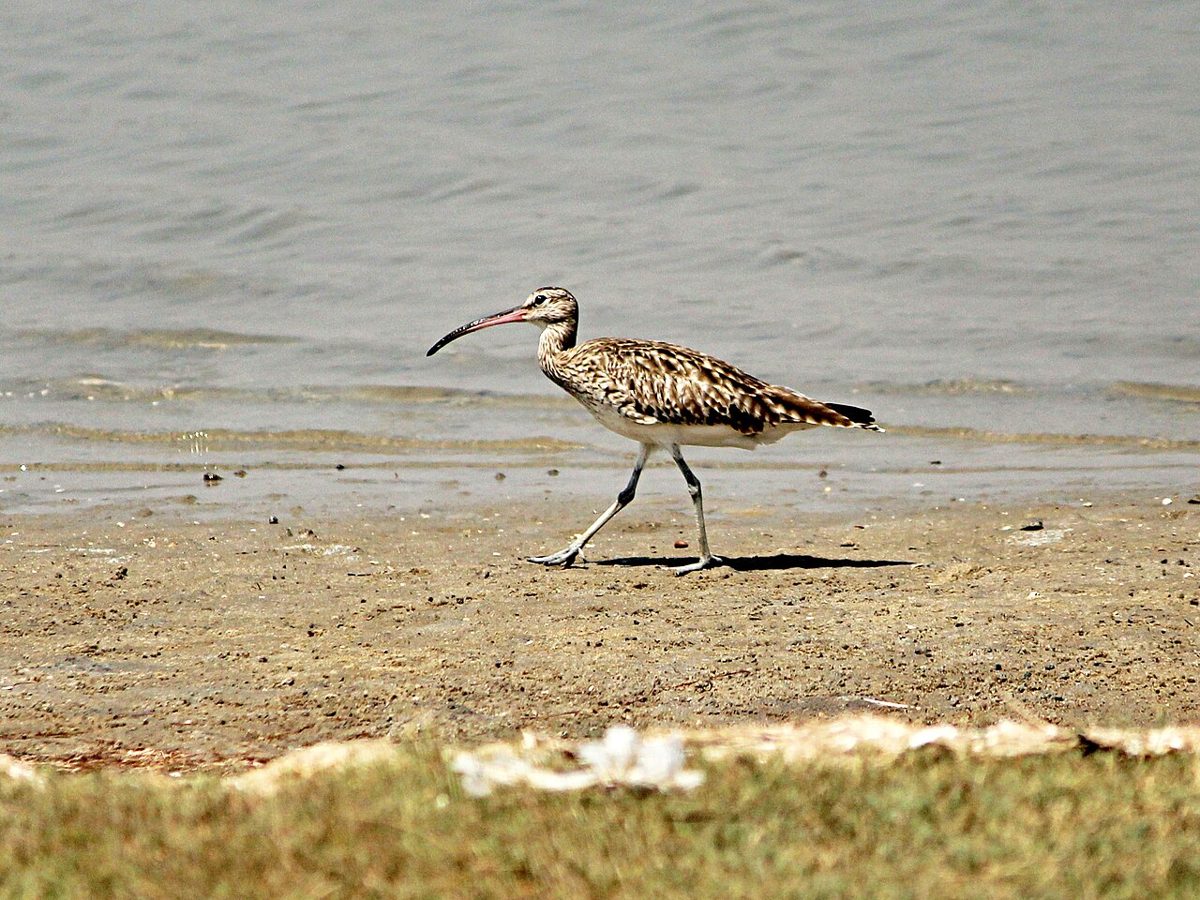
Shorebirds
Whimbrels, sandpipers, plovers, gulls and terns feed along the water's edge in winter. Birds →
Photo: PJeganathan, CC BY-SA 4.0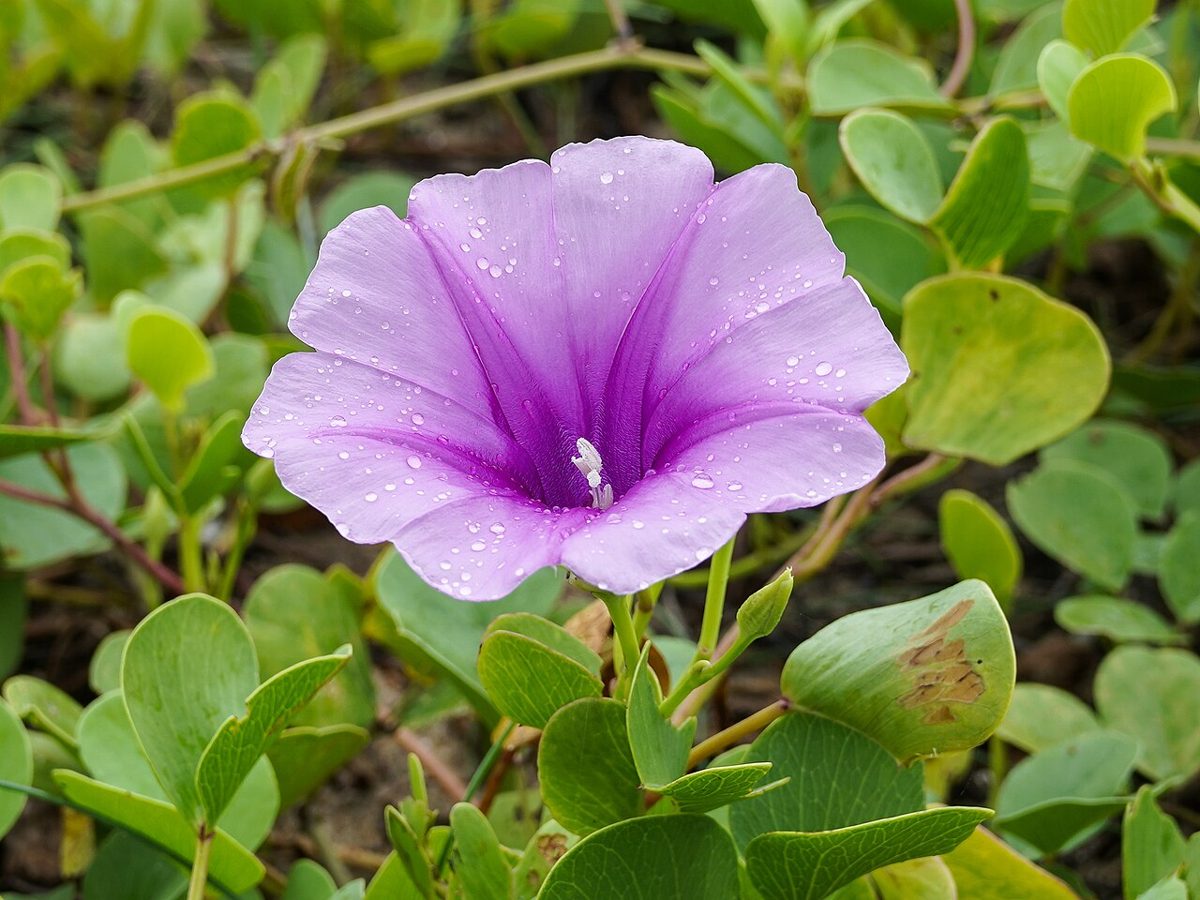
Beach creepers
Ipomoea pes-caprae
The first plants to grow on new sand, binding it with long runners. Dunes →
Photo: Timothy A. Gonsalves, CC BY-SA 4.0Honavar's beaches
From north to south: Ramanagindi, Pavinakurve, Tonka on the spit, Kasarkod Eco Beach (Blue Flag since October 2020), Apsarakonda and the hidden cove at Mugali. See all beaches in Honavar.
Walk on the wet sand, keep off the dunes and take your waste home. Wondering what makes a sandy beach different from a rocky one? Read sandy shores vs rocky shores.
Research behind this page (6)
- Hegde V.S., Shalini G., Nayak S. et al. (2009). Low-scale foreshore morphodynamic processes in the vicinity of a tropical estuary at Honnavar, central west coast of India. Journal of Coastal Research 25(2): 305–314.
- Hegde V.S. et al. (2012). Spit dynamics along the central west coast of India. Journal of Coastal Research 28(2): 505–510.
- Energy & Wetlands Research Group (2012). Exploring biodiversity and ecology of Central Western Ghats. ENVIS Technical Report 39, Centre for Ecological Sciences, Indian Institute of Science (IISc), Bengaluru.
- Kankara R.S., Ramana Murthy M.V. & Rajeevan M. (2018). National assessment of shoreline changes along the Indian coast (1990–2016). National Centre for Coastal Research, Chennai.
- Press Information Bureau (4 December 2023). Coastal erosion: reply in Parliament with NCSCM data on eroding beaches.
- Vohra S. (2022). An upcoming port in Karnataka is shrinking space for olive ridley turtles. Mongabay-India, 15 July 2022 (journalism).
More biodiversity
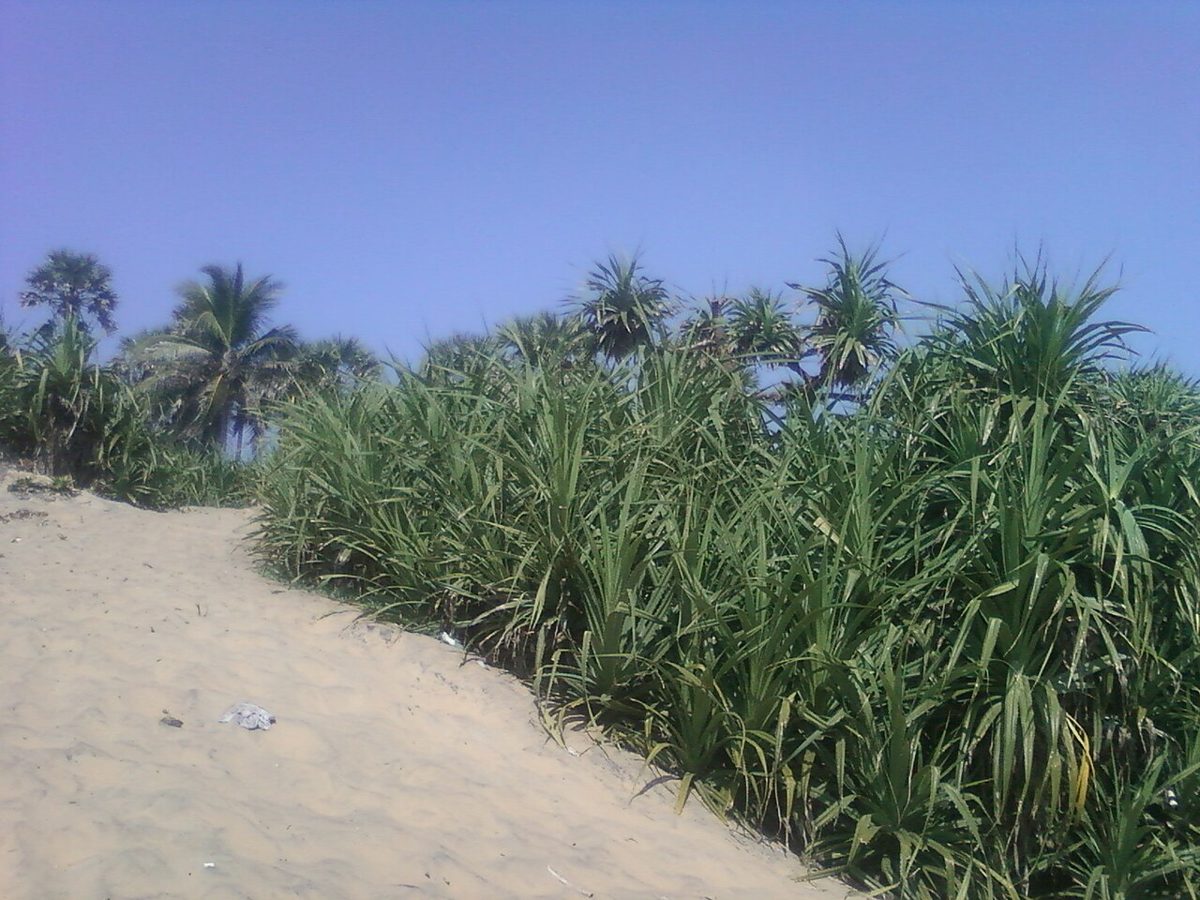
Sand dunes
Creepers, screw pines and the coast's natural sea wall.
Read more →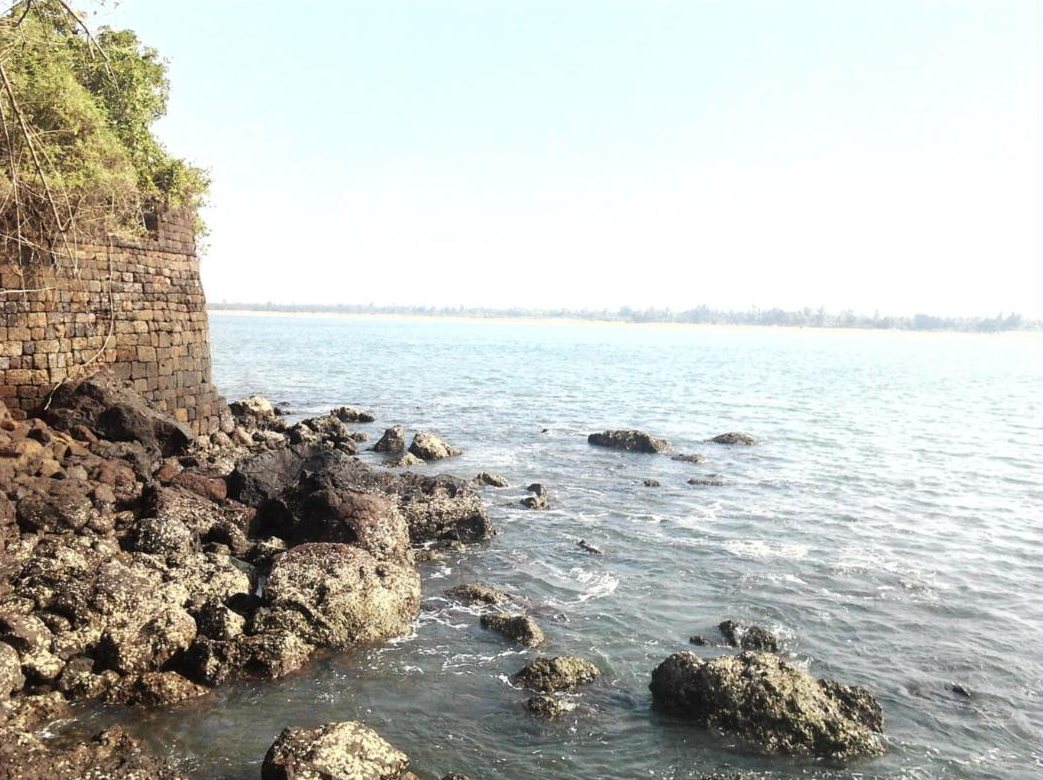
Rocky shores
Oysters, limpets and seaweeds between the tides.
Read more →Sandy vs rocky shores
The difference and why to skip a beachfront stay.
Read more →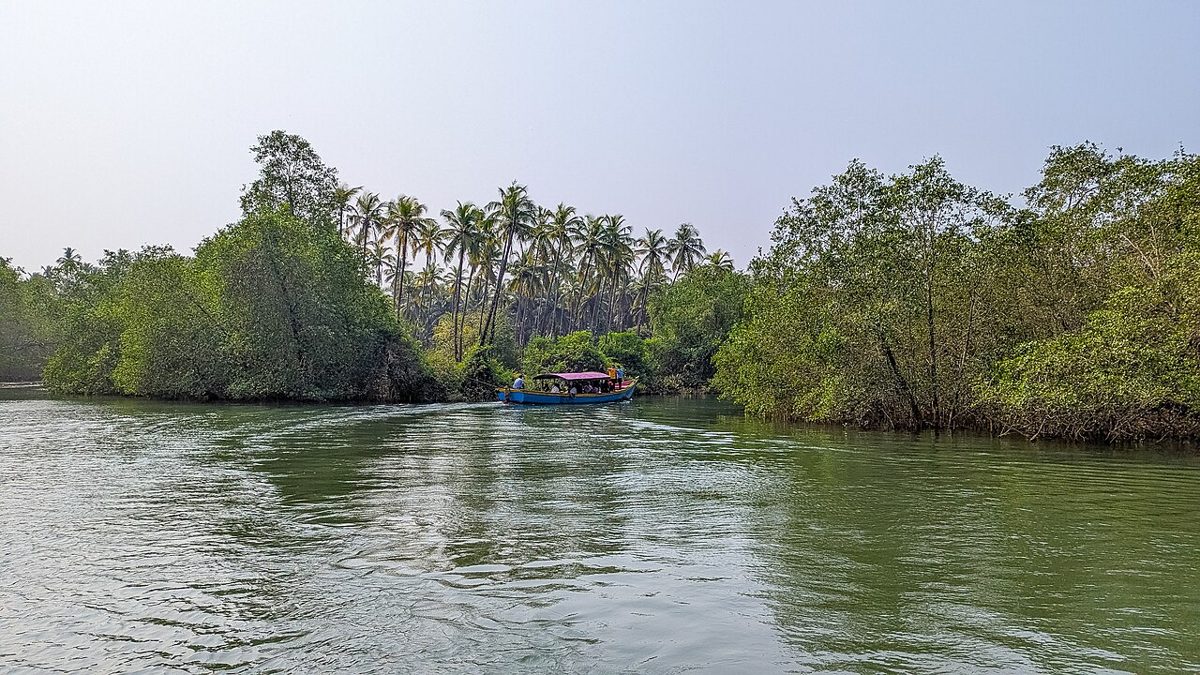
Estuary & backwaters
Where the Sharavathi River meets the sea.
Read more →Plan your trip
Ready for the river and the sea?
Pick a stay, choose an itinerary and book online on the property's site or a booking platform.