
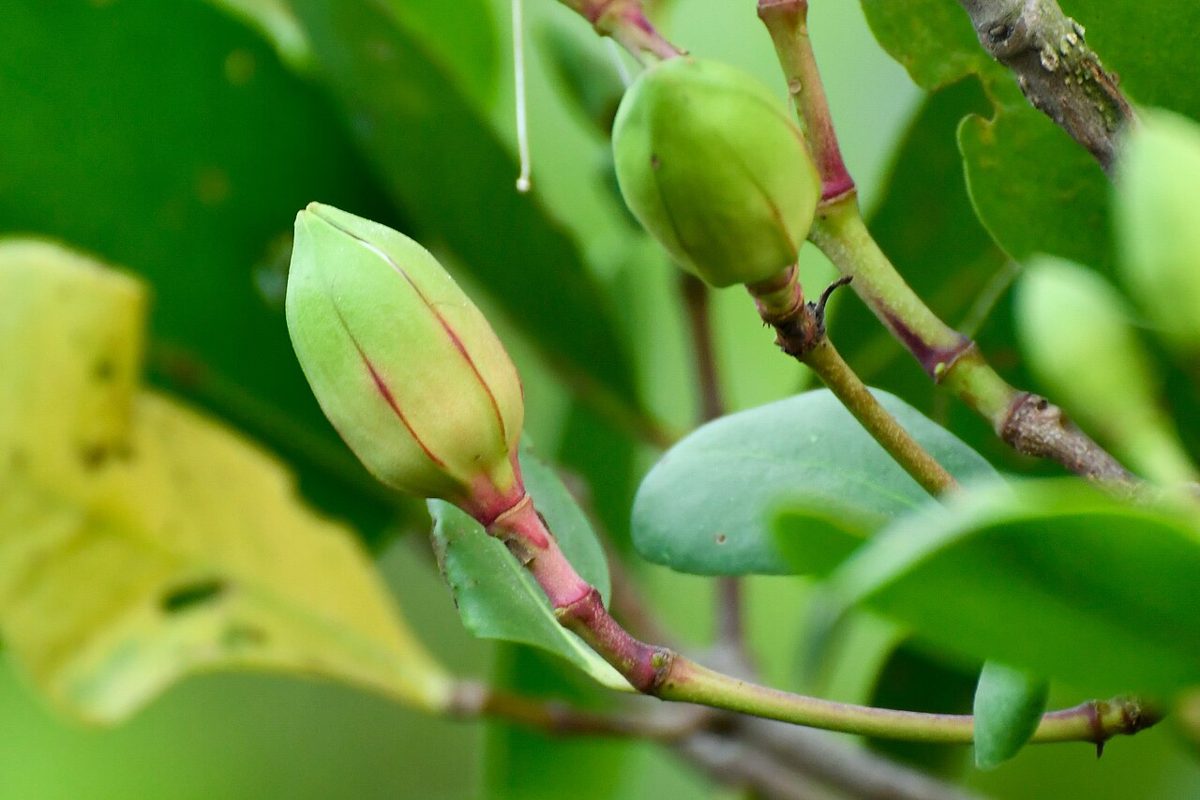
Mangrove apple
Sonneratia caseolaris
The most widespread mangrove of the Sharavathi River, covering about 82 ha. On Mavinkurve island trees reach 13 to 16 m. Kasarkod has an almost pure stand.
Photo: Shagil Kannur, CC BY-SA 3.0
Biodiversity · River
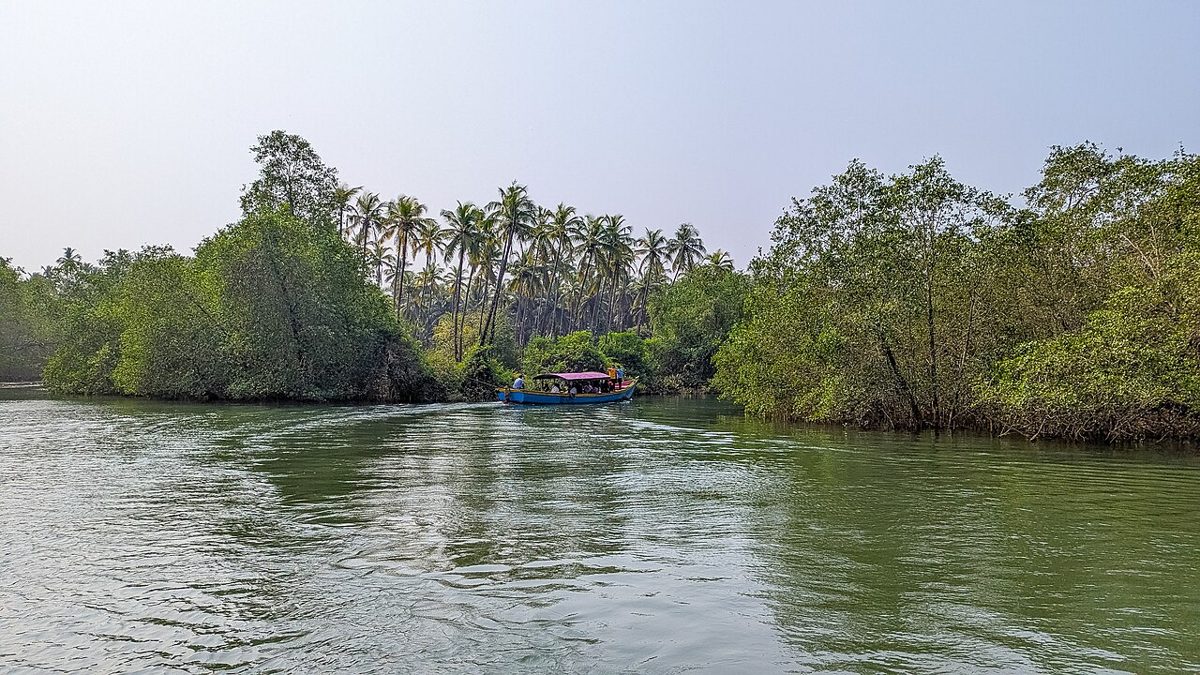
Salt-tolerant forests line the Sharavathi River and its creeks. Honavar Forest Division has about 391 hectares of them, with 13 kinds of mangrove.
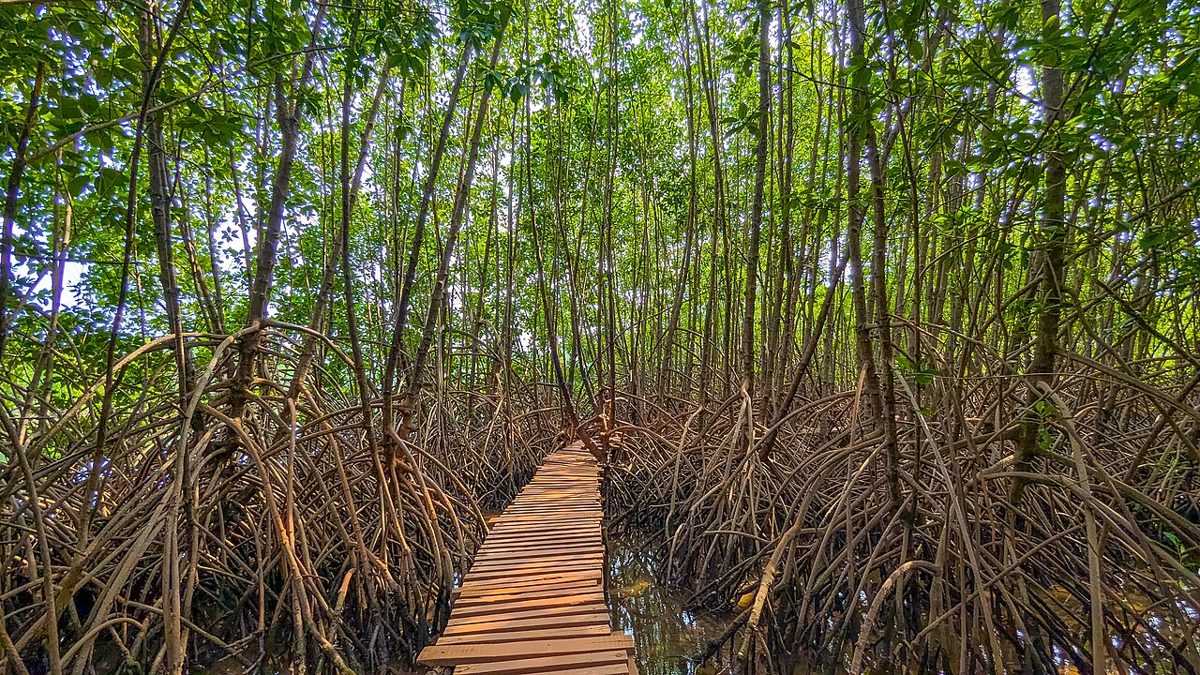
Mangroves are trees and shrubs that grow in tidal mud where most plants would die. They cope with salt, low oxygen and twice-daily flooding using stilt roots, breathing roots and leaves that shed salt.
A mapping study by IISc found about 391 ha of mangroves across the Honavar Forest Division, scattered in 1,549 patches. Honavar range has the largest share, about 128 ha. The Sharavathi River and Badagani estuary holds about 136 ha. The biggest village stands are at Mavinkurve (about 32 ha) and Kasarkod (about 21 ha).
The Sharavathi River estuary is dominated by mangroves that tolerate fresh water, because power-house releases keep it fresh all year.
Sonneratia caseolaris
The most widespread mangrove of the Sharavathi River, covering about 82 ha. On Mavinkurve island trees reach 13 to 16 m. Kasarkod has an almost pure stand.
Photo: Shagil Kannur, CC BY-SA 3.0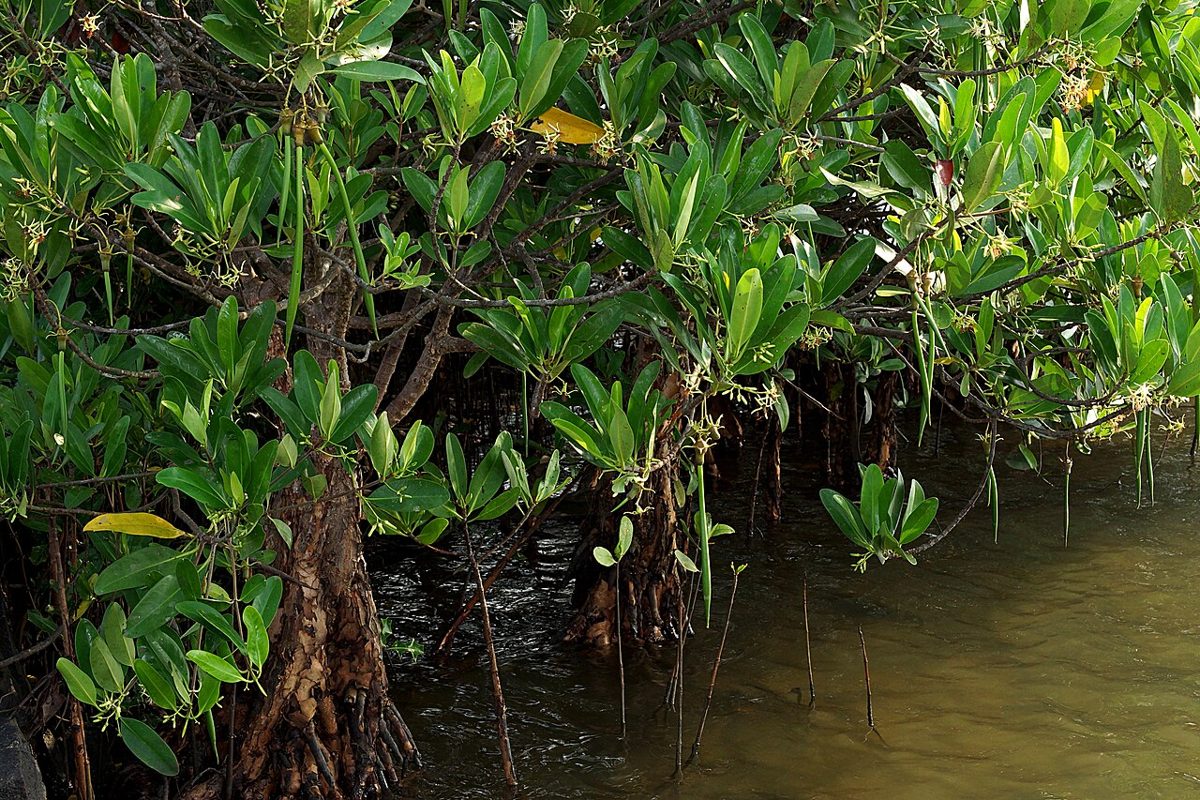
Kandelia candel
The second most common species here. Its pencil-like seedlings sprout while still on the tree.
Photo: Vengolis, CC BY-SA 3.0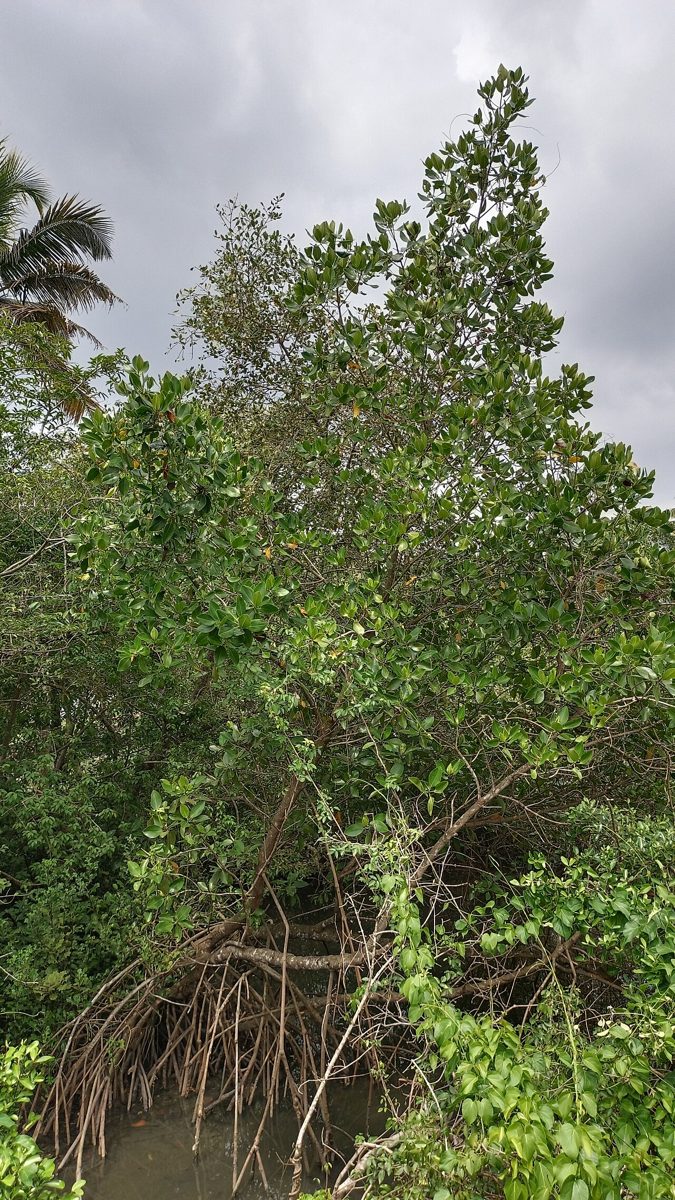
Rhizophora mucronata
Arching stilt roots prop it up in the mud. A planted patch grows at Kasarkod.
Photo: Shagil Kannur, CC BY-SA 4.0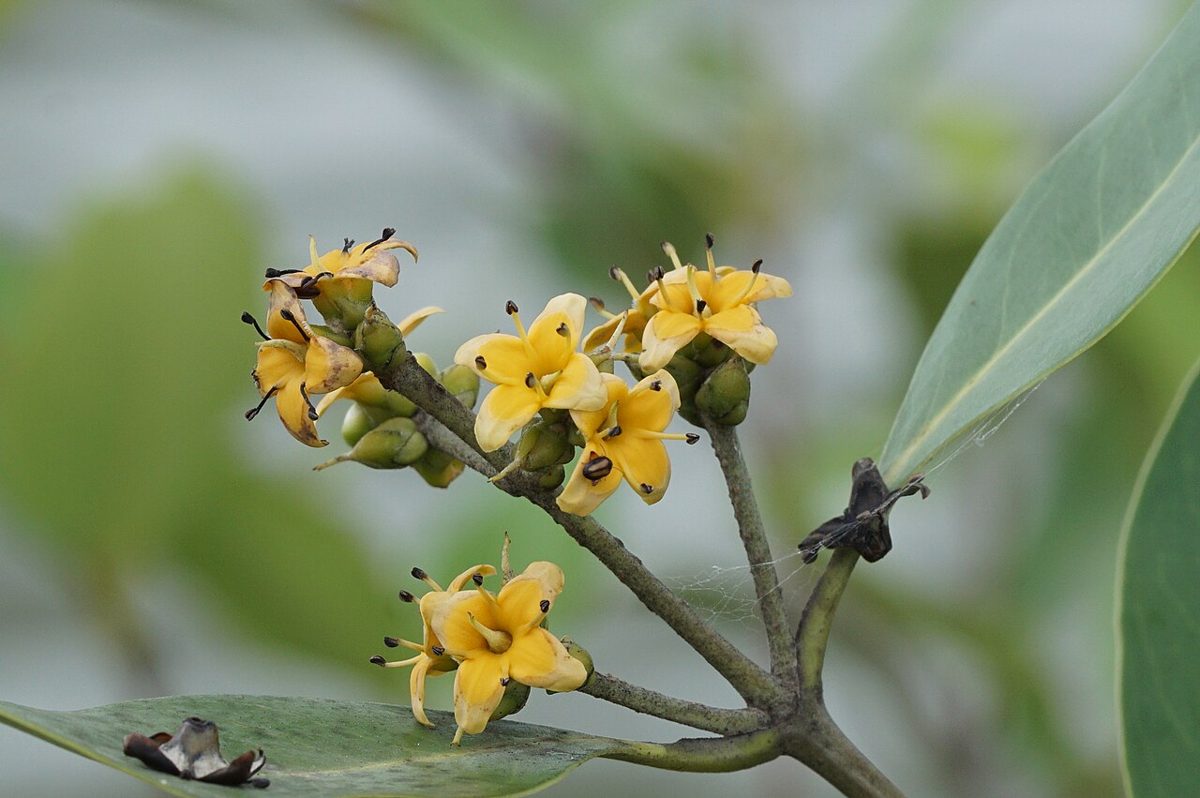
Avicennia spp.
Sends up pencil-like breathing roots. A. officinalis grows here; A. marina, which needs saltier water, is absent from the Sharavathi River.
Photo: Vengolis, CC BY-SA 4.0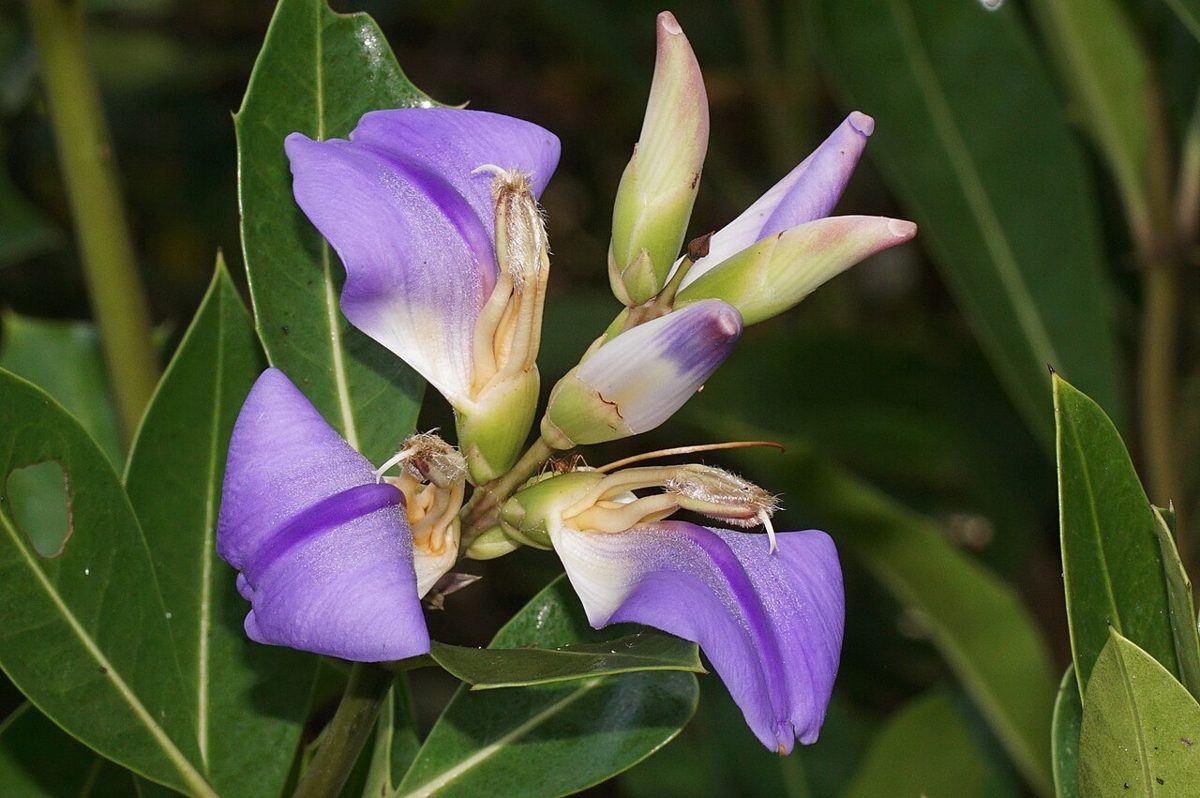
Acanthus ilicifolius
A spiny shrub with violet flowers along creek edges.
Photo: Vengolis, CC BY-SA 4.0Sonneratia alba, Excoecaria agallocha, Aegiceras corniculatum, Rhizophora apiculata and Bruguiera gymnorrhiza, with the mangrove fern Acrostichum aureum and the wild rice Porteresia coarctata.
About 32 associate plants grow alongside the mangroves, including the sea mango (Cerbera manghas), Barringtonia racemosa, the Alexandrian laurel or honne (Calophyllum inophyllum), Pongamia pinnata, Hibiscus tiliaceus, Thespesia populnea, screw pine (Pandanus) and Clerodendrum inerme.
Karnataka's estuaries also hold two seagrasses, Halophila beccarii and Ruppia maritima.
They protect the shore from erosion and storm surges, trap silt and filter the water. Their roots shelter young fish, prawns and crabs, so healthy mangroves mean better fishing. They also store large amounts of carbon in their waterlogged soil.
The Honavar Forest Division has planted mangroves along the estuary and coastal tree belts, studied by IISc as 'green walls' for the Karnataka coast.
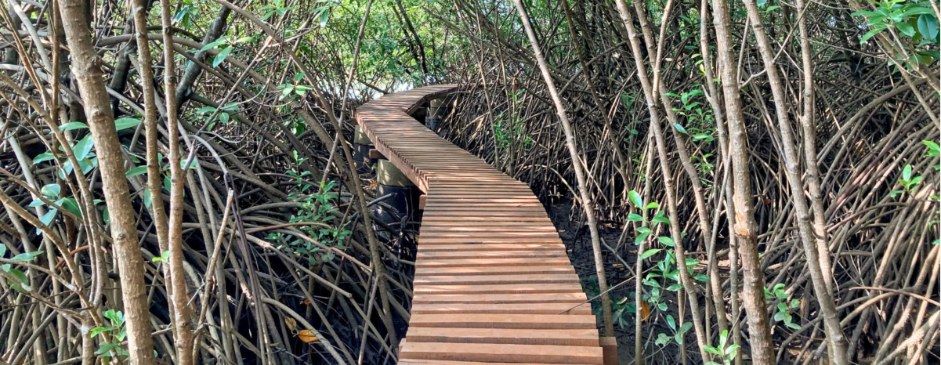
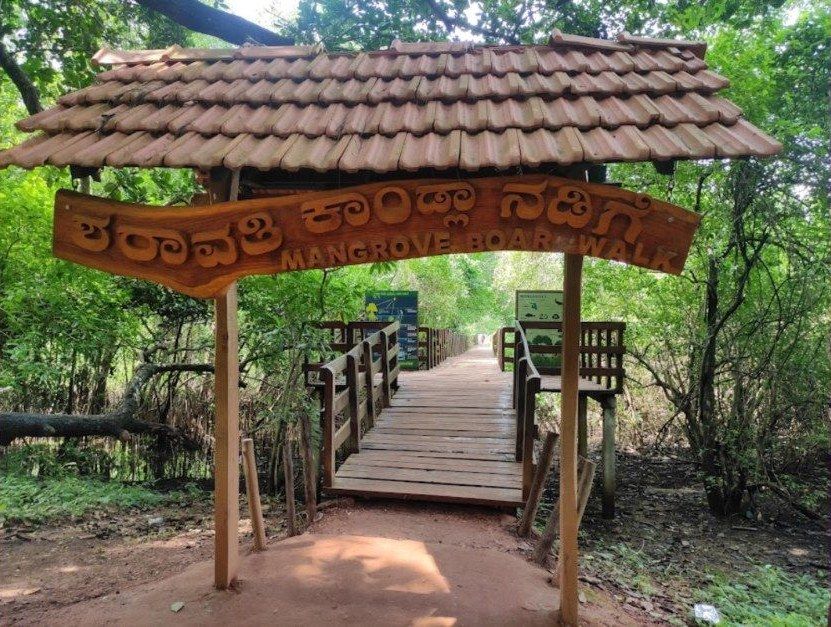
The Sharavathi Kandla mangrove boardwalk runs deep into the mangroves at Kasarkod, opposite Eco Beach. It is open 9 am to 6 pm and takes about an hour. A backwater boat ride at high tide takes you into the narrow channels.
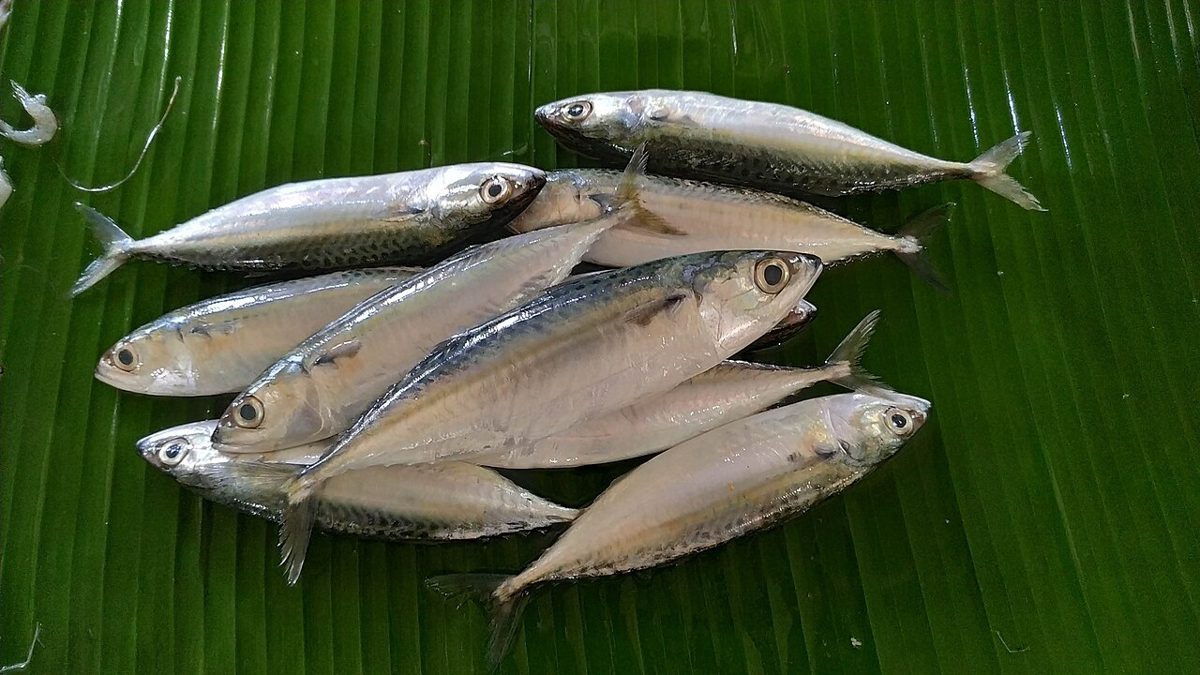
From mackerel at sea to endemic loaches upstream.
Read more →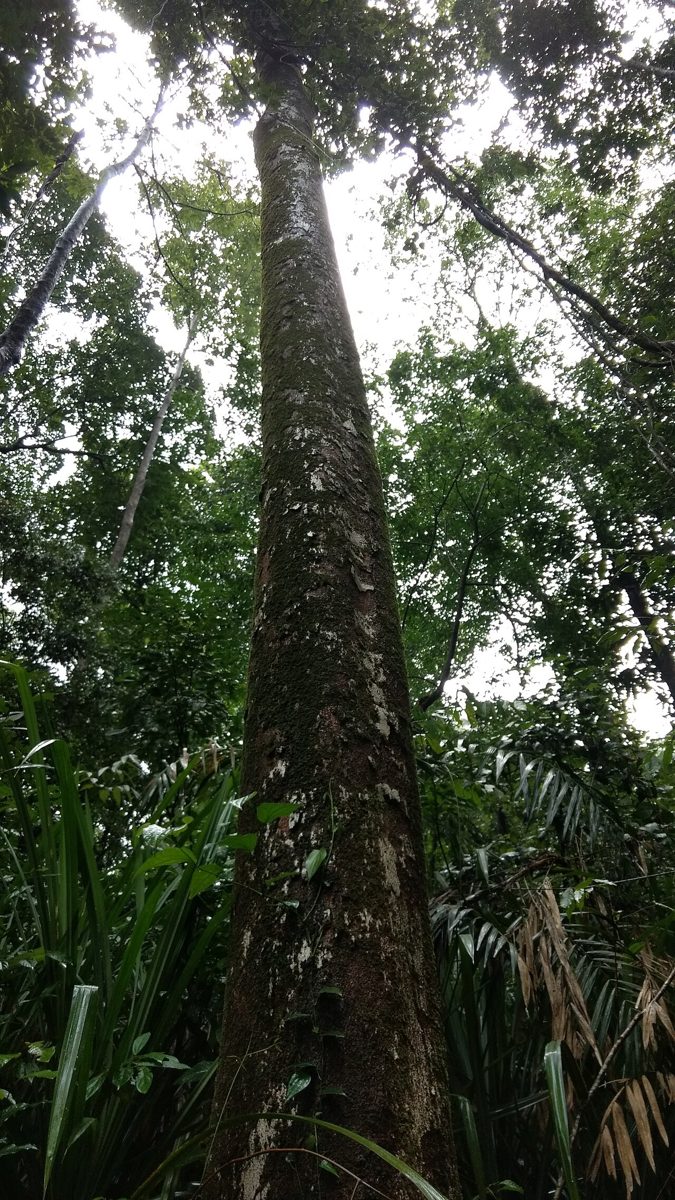
Evergreen hills just behind the coast.
Read more →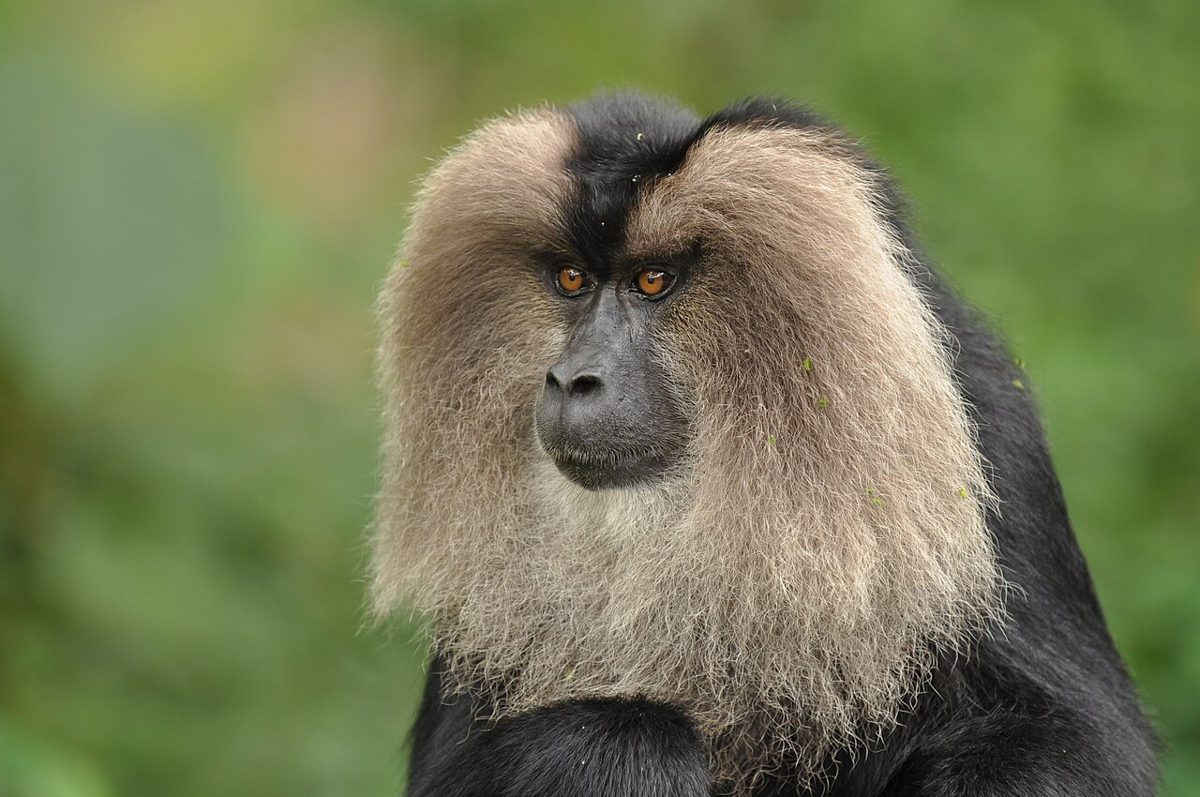
Their northernmost population lives near Honavar.
Read more →
Sanctuaries, reserves and a Ramsar wetland nearby.
Read more →Plan your trip
Pick a stay, choose an itinerary and book online on the property's site or a booking platform.