
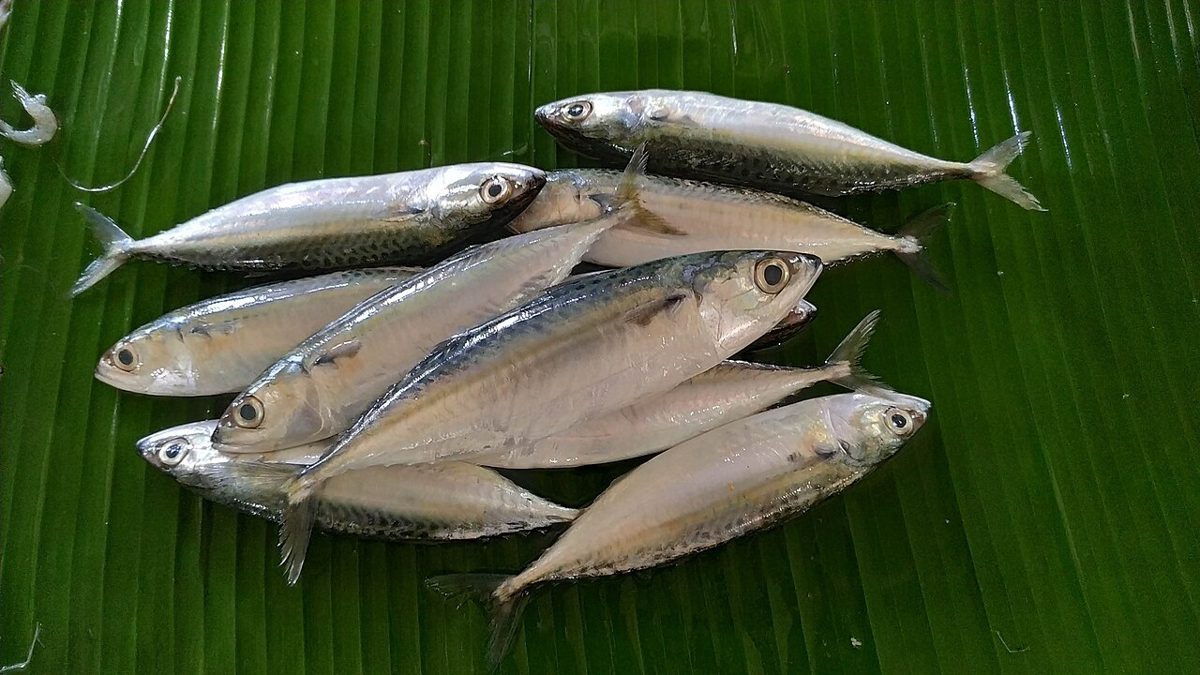
Indian mackerel
Rastrelliger kanagurta
Bangude. The mainstay of the Uttara Kannada coast fishery and of local fish curries.
Photo: Si Gam, CC BY-SA 4.0
Biodiversity · River
Honavar has lived from the water for centuries. Here is what swims in the sea, the estuary and the river. Learn how dams and the seasons shape the catch.
The Arabian Sea off Uttara Kannada is one of India's richest fishing grounds. The Indian mackerel (bangude) is the mainstay of the catch, along with the oil sardine (bhutai). Prawns, ladyfish, pomfret, seer fish, crabs and squid make up much of the rest.
Each year mechanised boats and those with engines of 10 HP or more stay in harbour for 61 days, from 1 June to 31 July, while fish breed. Small traditional boats can still go out. The season reopens in August with pujas on the boats.
IISc researchers recorded 43 kinds of fish in the Sharavathi River estuary, about half the 90 found in the neighbouring Aghanashini estuary. Another IISc survey lists 44 species, including the Asian seabass (Lates calcarifer), grey mullet (Mugil cephalus), pearlspot (Etroplus suratensis), spotted scat (Scatophagus argus), silver sillago (Sillago sihama) and mudskippers.
Because the estuary stays fresh almost all year, marine fish such as sharks, rays, kingfishes and anchovies largely stay away. The fish that remain are those that tolerate low or changing salinity. Per hectare, the estuary's fishery is worth only about a fortieth of the Aghanashini's.
Clams were once collected here in large numbers. In 1973 about 100 people gathered clams, mainly Meretrix meretrix, from the estuary. Shell deposits yielded 75 to 100 tonnes a year.
By a CMFRI survey in February 1984 there were no live clams and no clam fishery. Local people said there had been none for about ten years. In 2011 and 2012 IISc found only one species, the mud clam Polymesoda erosa, in small numbers near the mouth. The researchers link the loss to the steady flow of fresh water from upstream power stations.
In the undammed Aghanashini estuary, about 2,300 harvesters (many of them women) still collect around 22,000 tonnes of clams, oysters and mussels each year.
Upstream, the Sharavathi River and its tributaries hold 64 fish species, 18 of them found only in the Western Ghats. Carps and barbs (Cyprinidae) are the largest family. The Linganamakki reservoir alone has 51 species.
Three fish were described as new to science from this river: the loaches Schistura nagodiensis and Schistura sharavathiensis plus the catfish Batasio sharavatiensis.
Rastrelliger kanagurta
Bangude. The mainstay of the Uttara Kannada coast fishery and of local fish curries.
Photo: Si Gam, CC BY-SA 4.0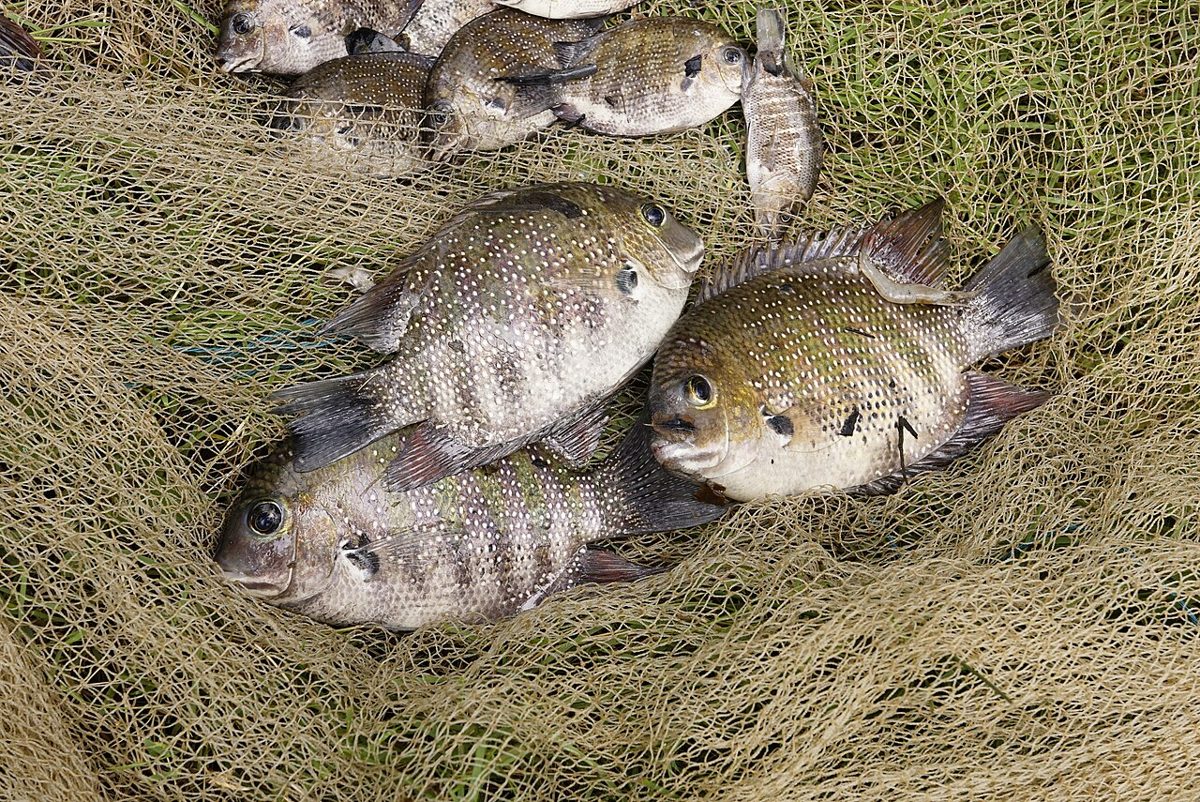
Etroplus suratensis
A brackish-water fish of estuaries and backwaters.
Photo: Vengolis, CC BY-SA 4.0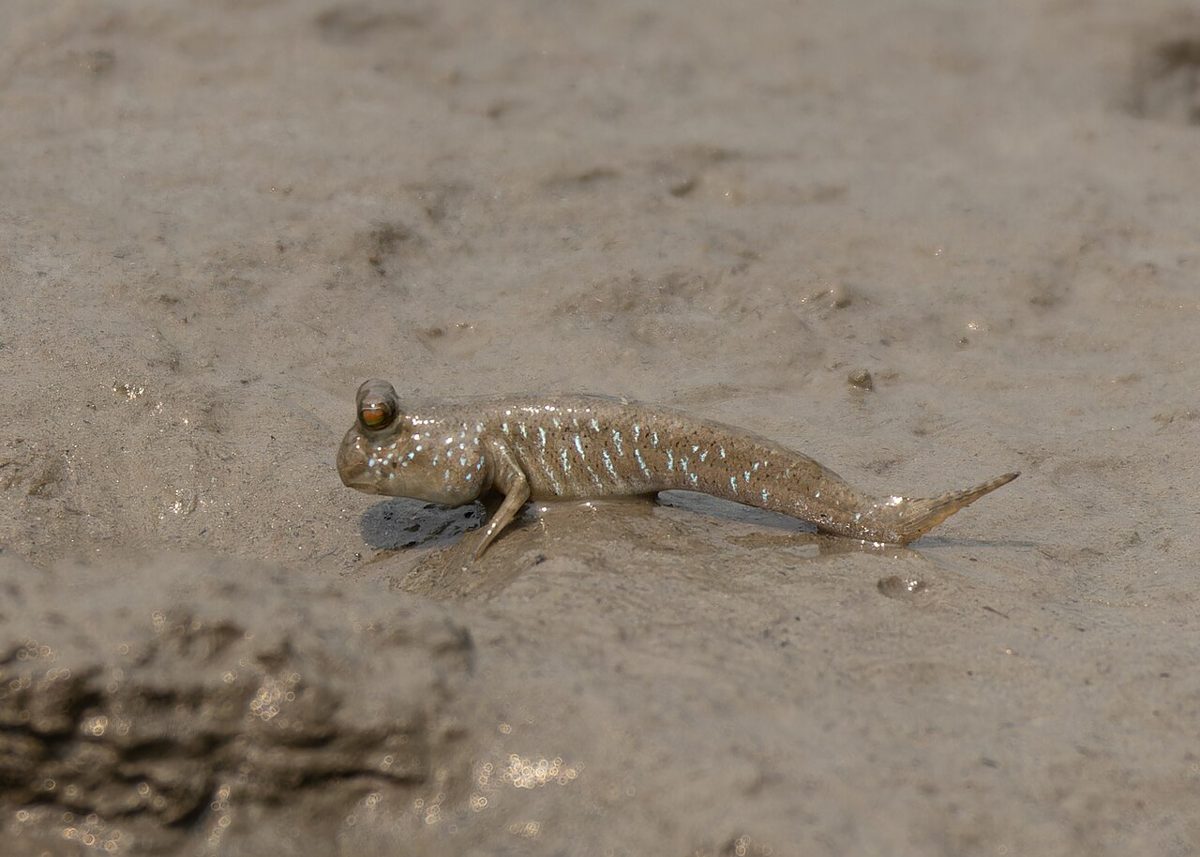
Periophthalmus spp.
A fish that spends much of its life out of water on the mudflats.
Photo: Tisha Mukherjee, CC BY-SA 4.0Fishing families of Kasarkod, Tonka, Pavinakurve and Manki fish both the sea and the river. Women run the fish-drying trade on the beach commons at Kasarkod. Read about the communities of the coast and watch the dawn landing at the harbour. When eating fish, choose what is in season.
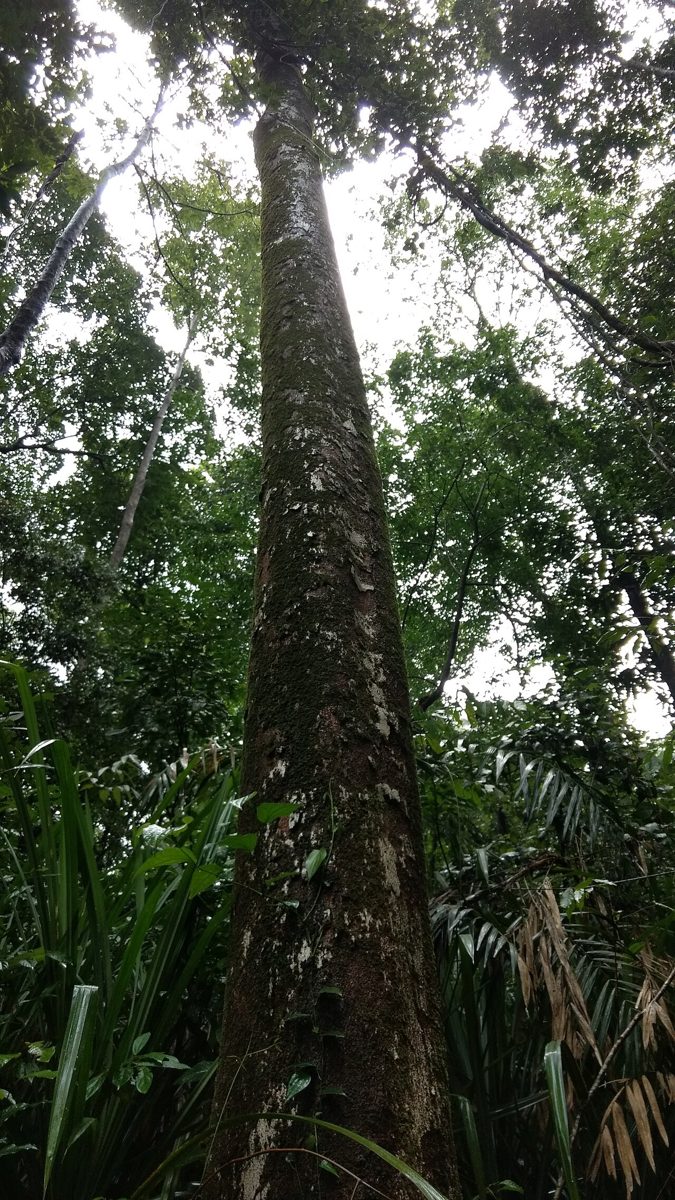
Evergreen hills just behind the coast.
Read more →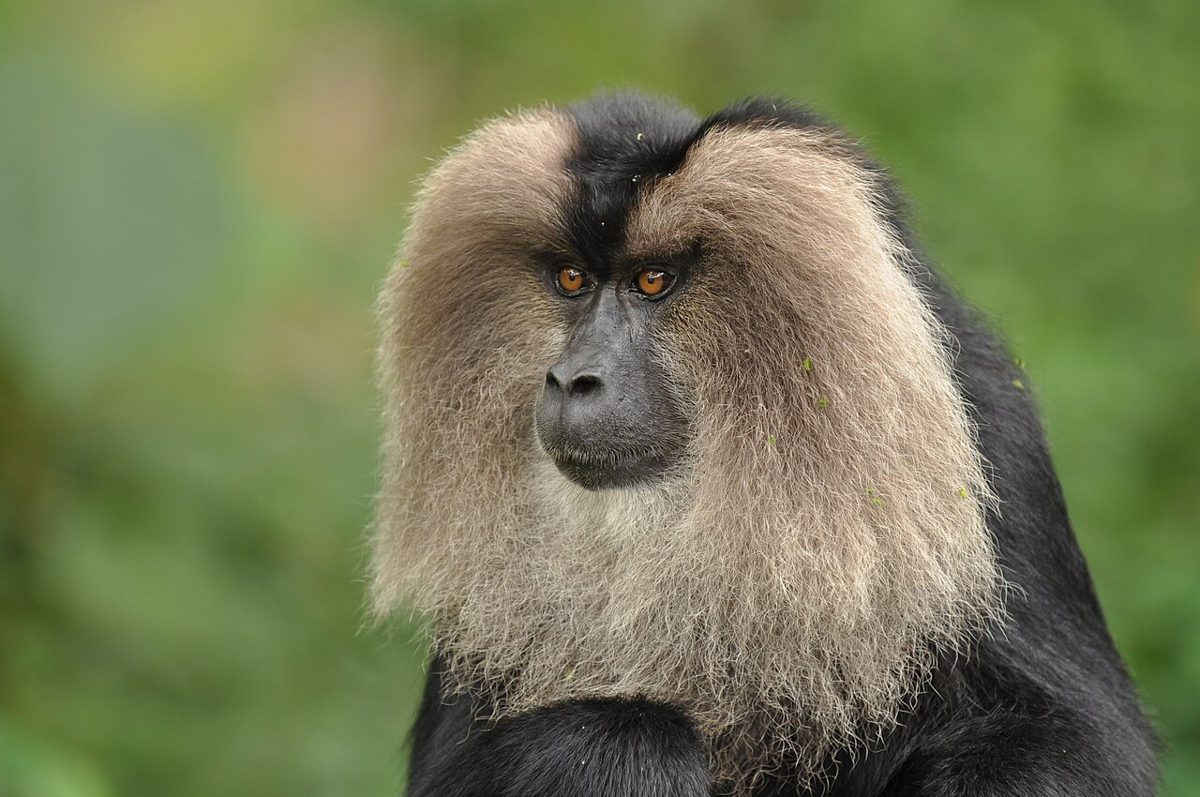
Their northernmost population lives near Honavar.
Read more →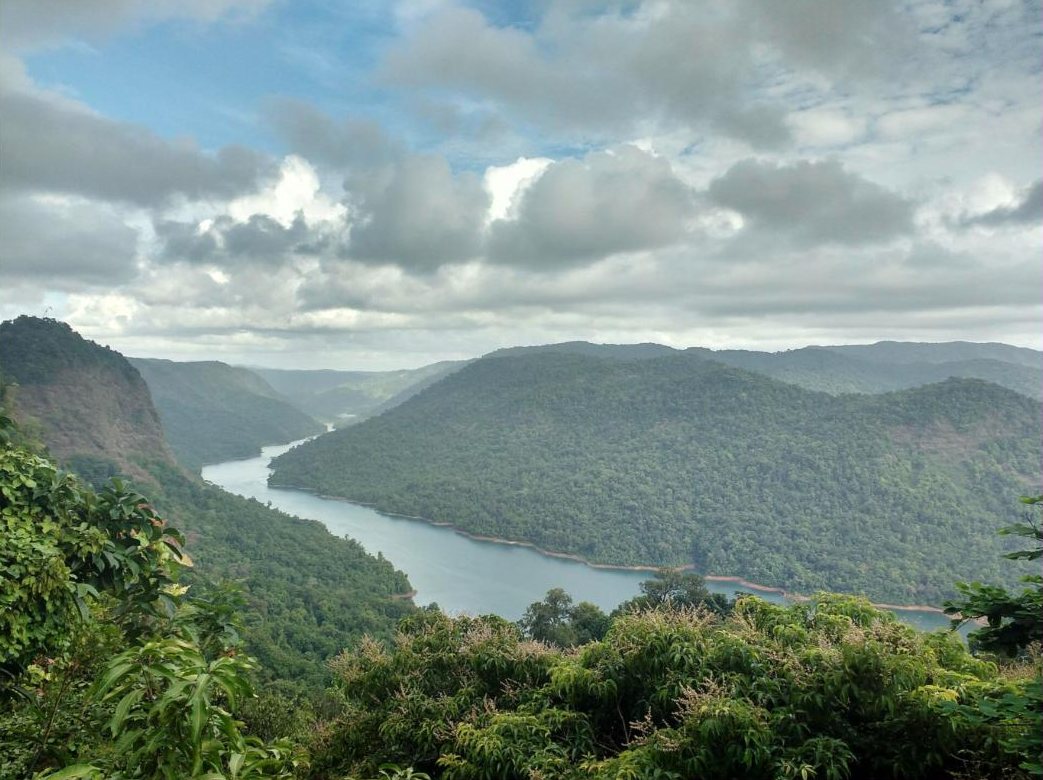
Sanctuaries, reserves and a Ramsar wetland nearby.
Read more →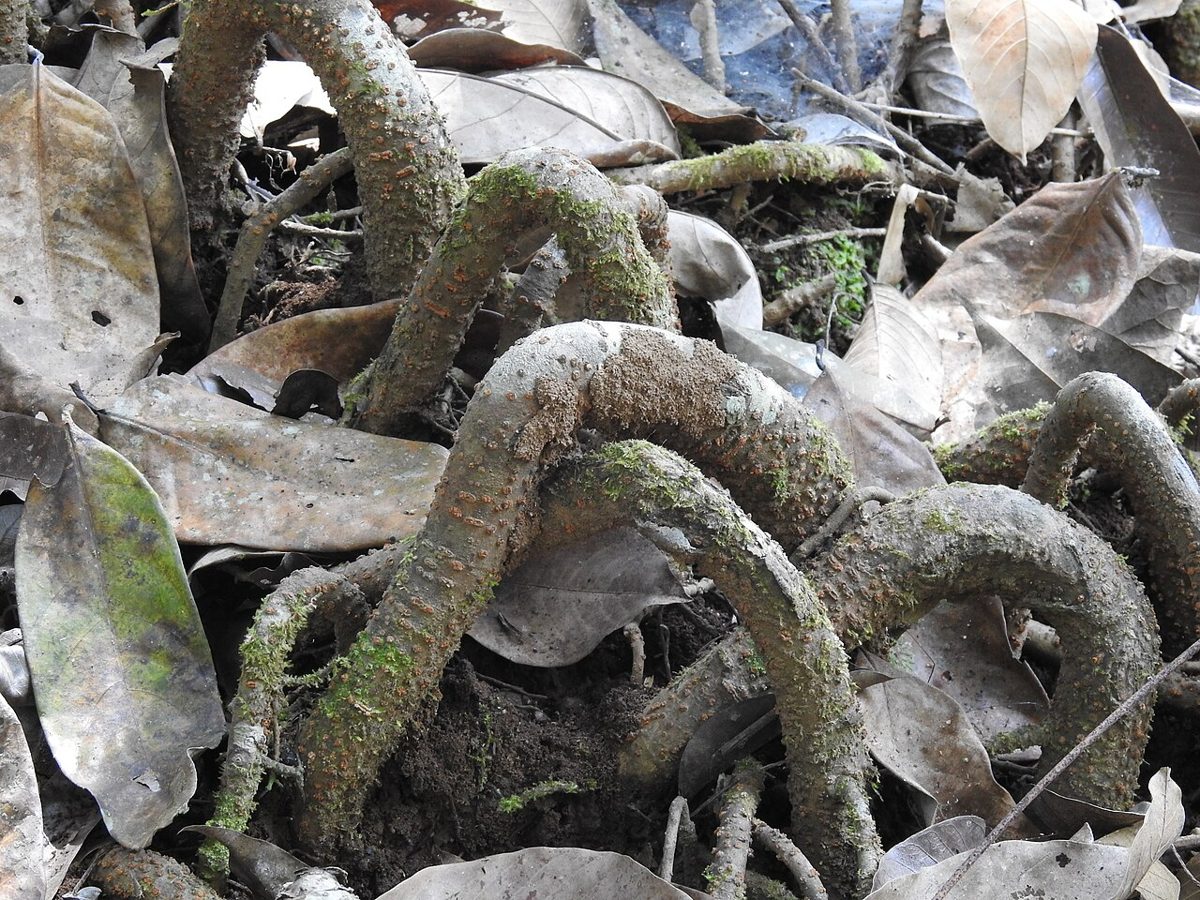
Ancient swamp forests and temple groves.
Read more →Plan your trip
Pick a stay, choose an itinerary and book online on the property's site or a booking platform.