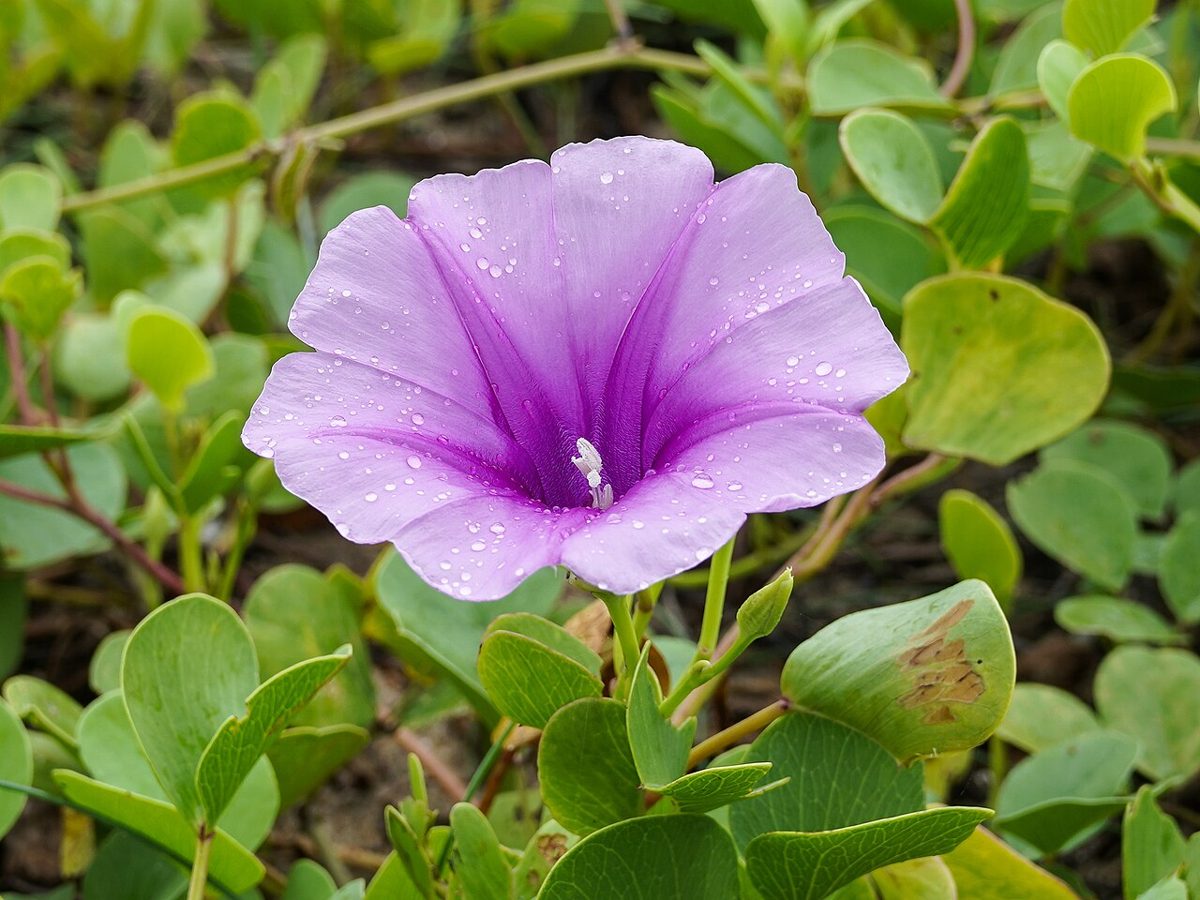
Beach morning glory
Ipomoea pes-caprae
Long runners with goat-hoof leaves spread across bare sand and bind it.
Photo: Timothy A. Gonsalves, CC BY-SA 4.0
Biodiversity · Coast
Behind Honavar's beaches lie low dunes of wind-blown sand, held in place by creepers, grasses and screw pines. They are the coast's natural sea wall and among its most threatened habitats.
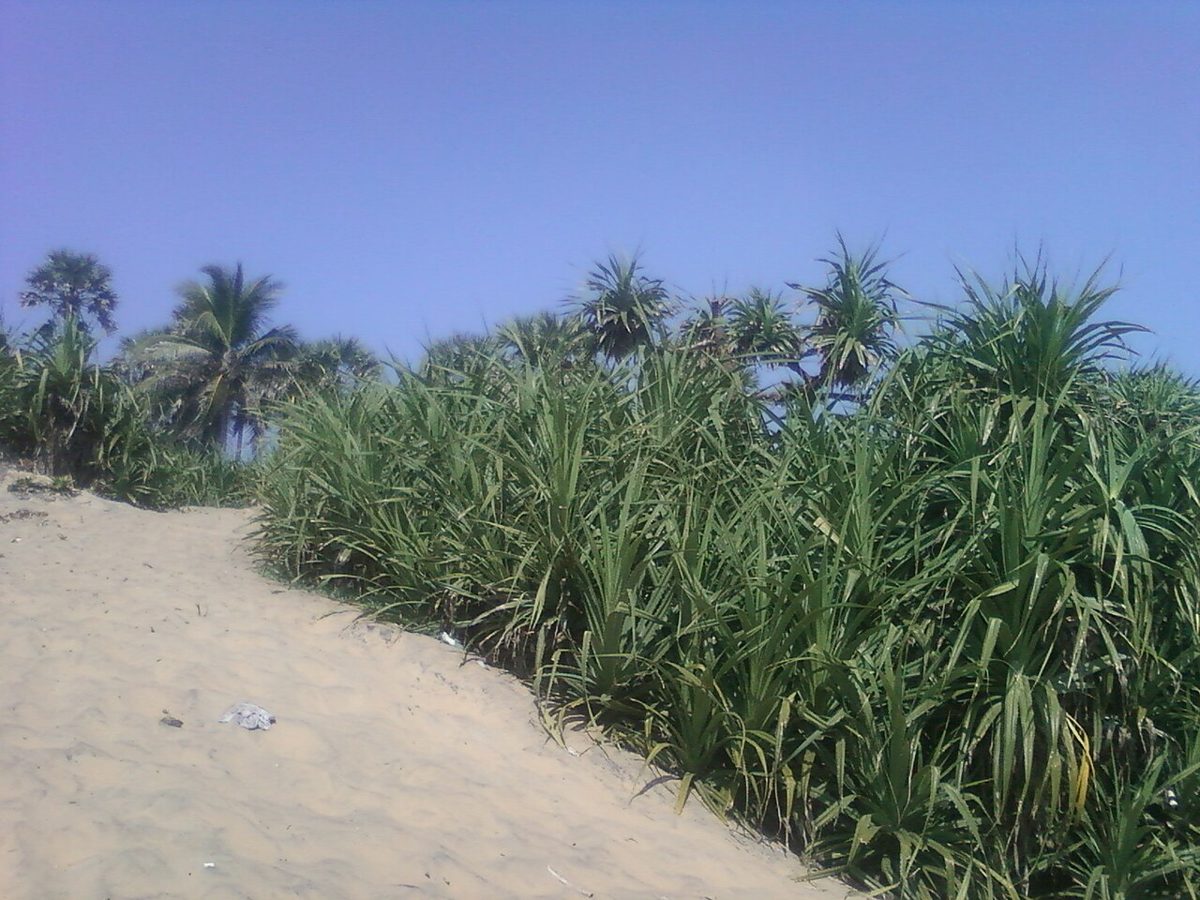
Dunes are ridges of sand blown up from the beach and trapped by plants. On this coast they are low, rarely more than a few metres high, but they run for kilometres behind the beaches.
Plants grow in bands. Nearest the sea, on the bare foreshore, creepers such as beach morning glory and grasses such as spinifex catch the sand. Further back, on the more settled backshore, shrubs and screw pines grow, giving way to cashew and coconut. A coastal survey of Honavar lists beach morning glory, spinifex, wild asparagus, sedges and Leucas aspera on the foreshore. On the backshore it lists Vitex, screw pine, cashew and coconut.
A study of Karnataka's coast counted 13 legumes alone. Beach beans were the most common.
Ipomoea pes-caprae
Long runners with goat-hoof leaves spread across bare sand and bind it.
Photo: Timothy A. Gonsalves, CC BY-SA 4.0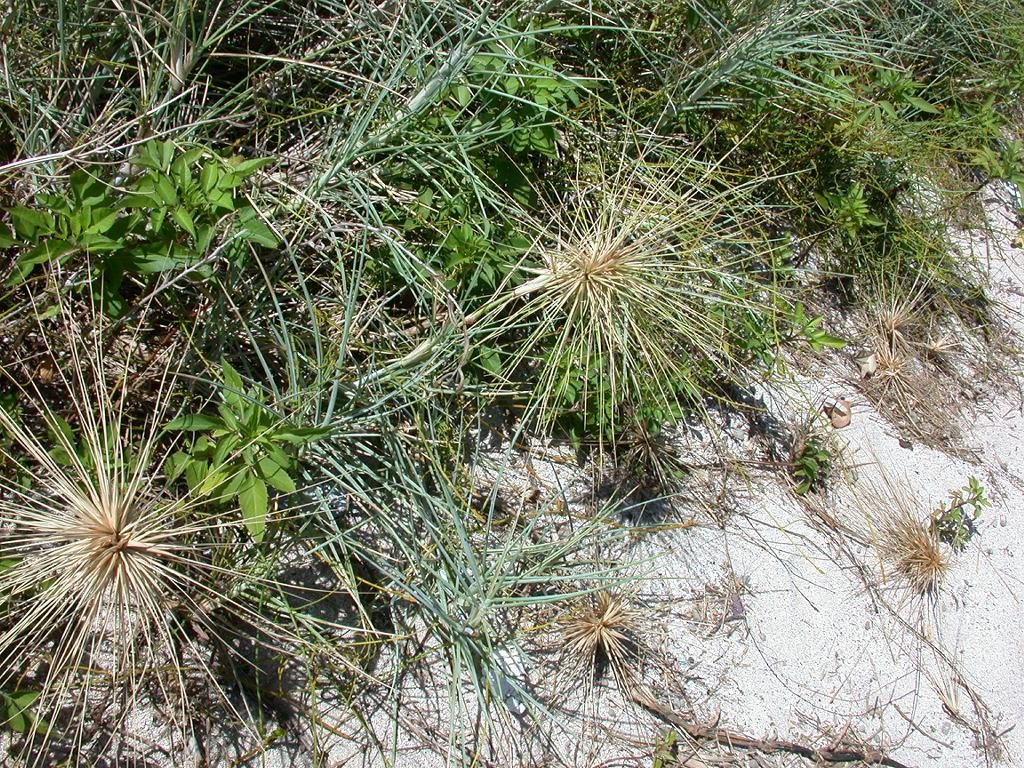
Spinifex littoreus
A spiky grass whose round seed heads roll along the beach in the wind.
Photo: Keisotyo, CC BY-SA 3.0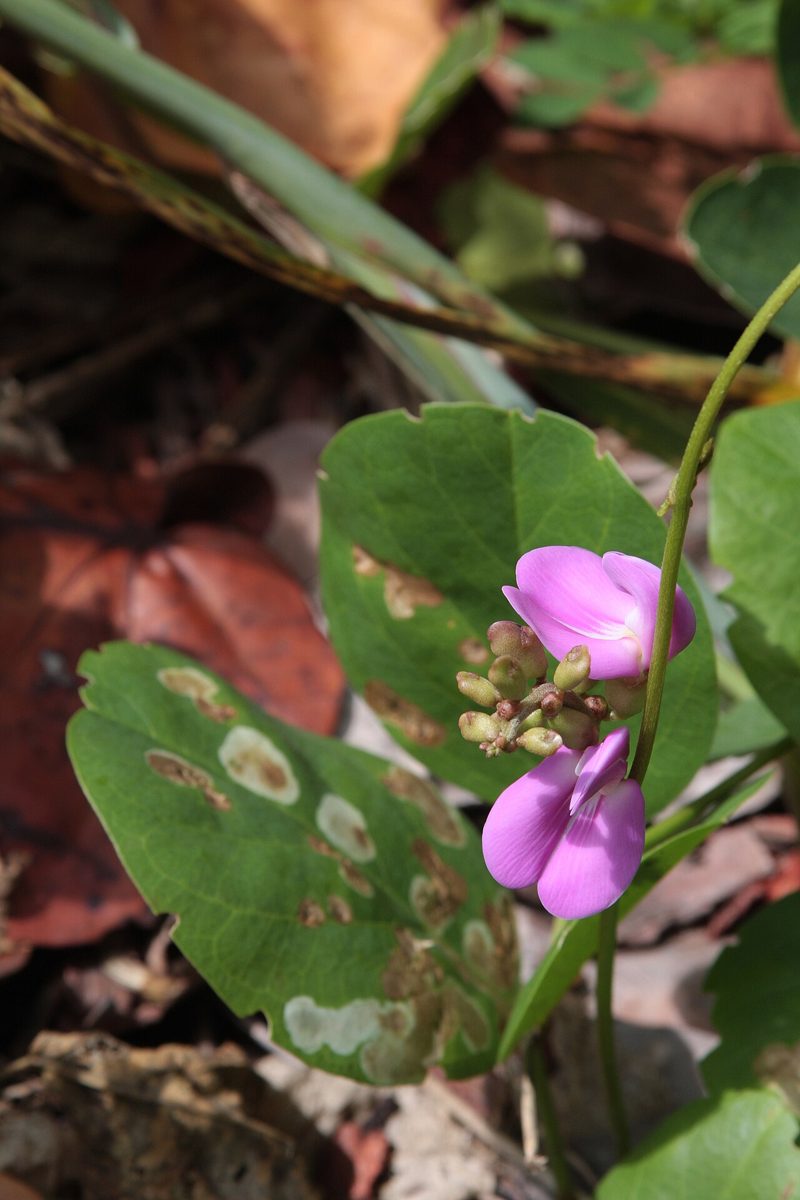
Canavalia rosea
A pink-flowered creeper, the most frequent dune legume on the Karnataka coast.
Photo: Ianaré Sévi, CC BY-SA 3.0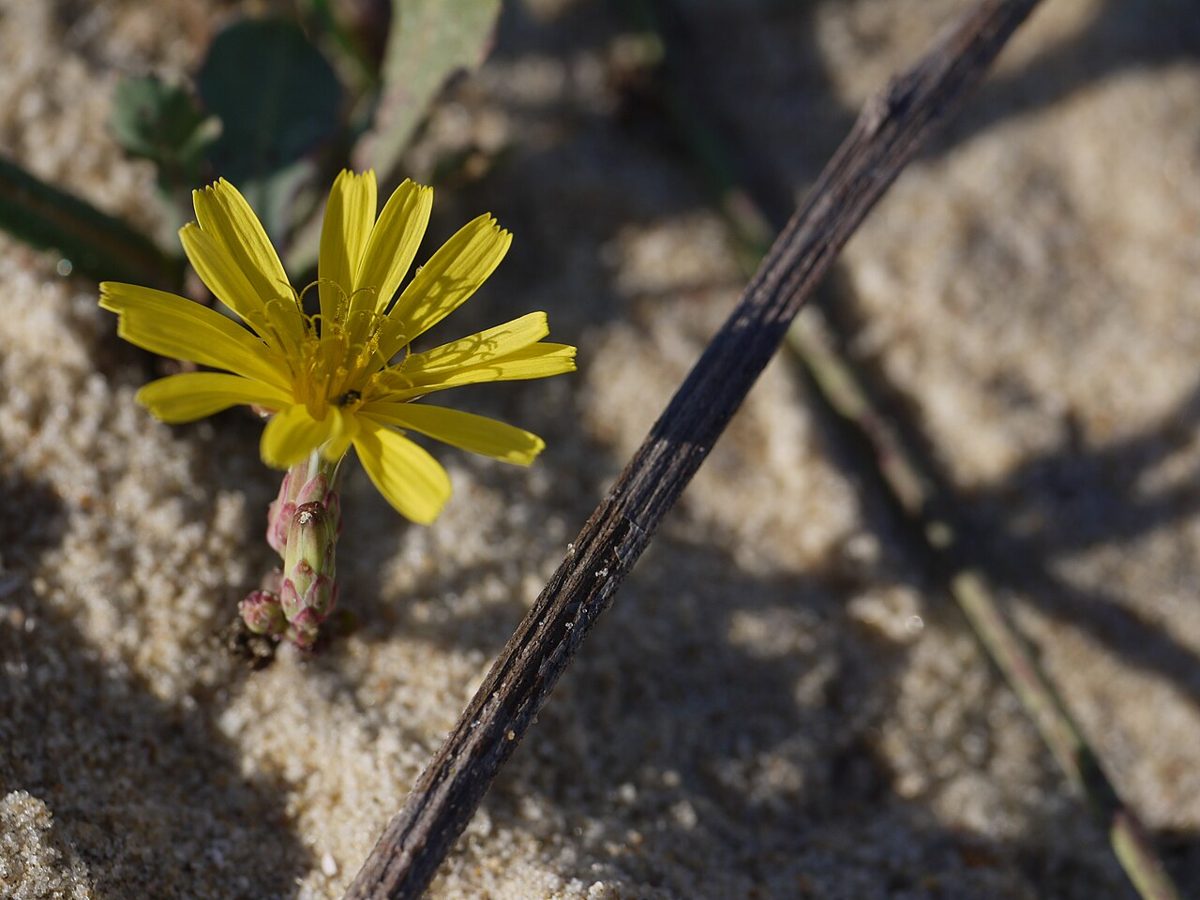
Launaea sarmentosa
A small yellow-flowered herb. Fishers have used its milky latex on skin injuries.
Photo: Dinesh Valke, CC BY-SA 2.0Pandanus spp.
Thorny-leaved shrubs on stilt roots that form thickets on the back of the dunes.
Photo: Adityamadhav83, CC BY-SA 4.0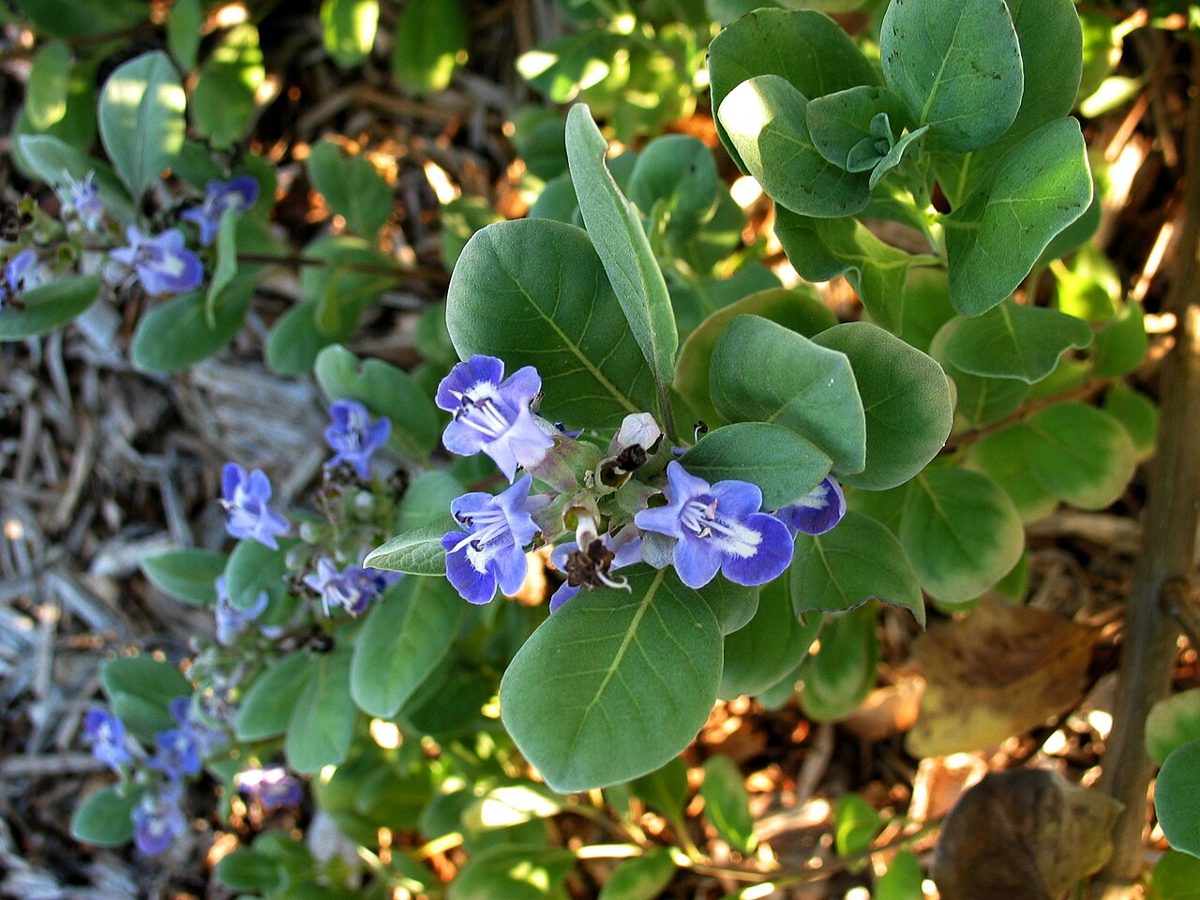
A natural sea wall. Dunes absorb waves and storm surges. They also lend sand back to the beach after storms. Studies after the 2004 tsunami found less flooding behind intact dunes.
Fresh water. Rain soaks into the sand and recharges the groundwater, keeping salt water out of coastal wells.
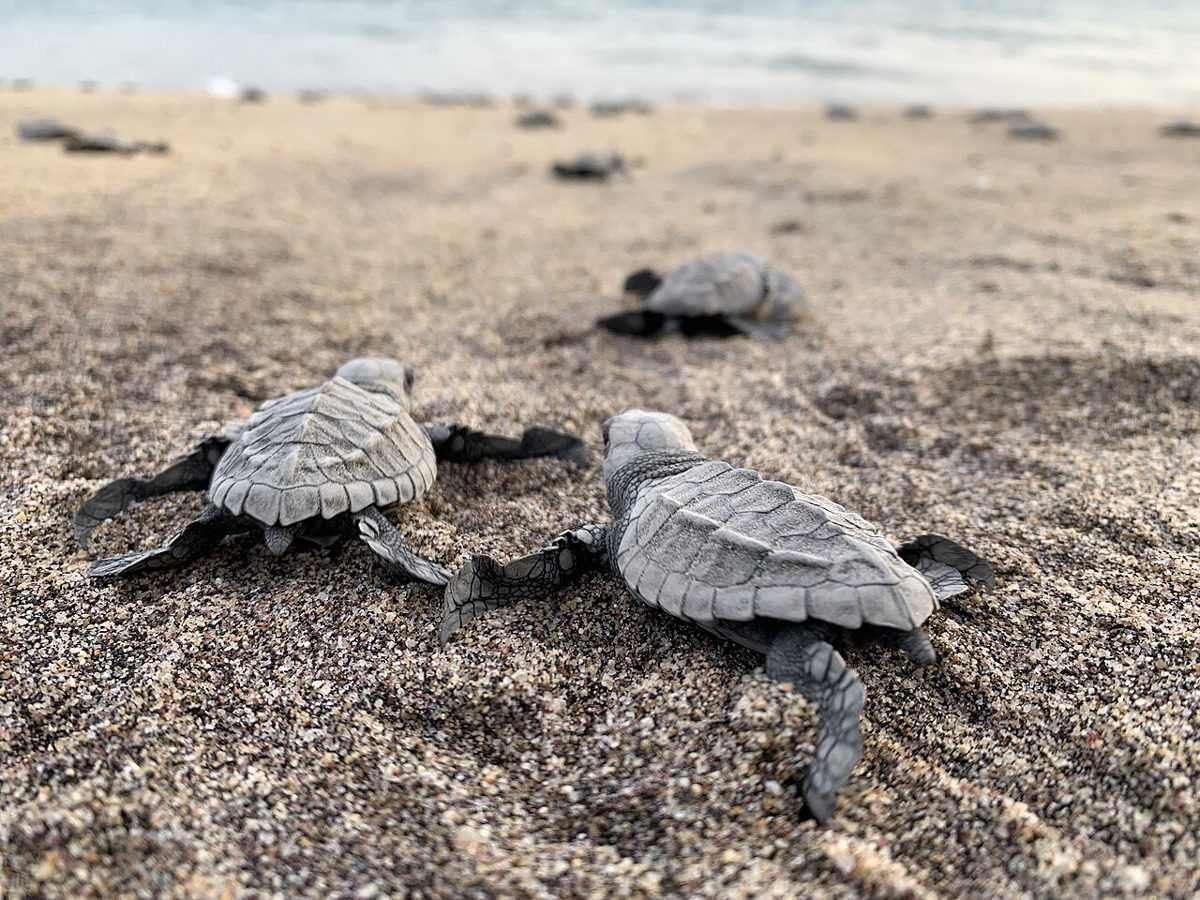
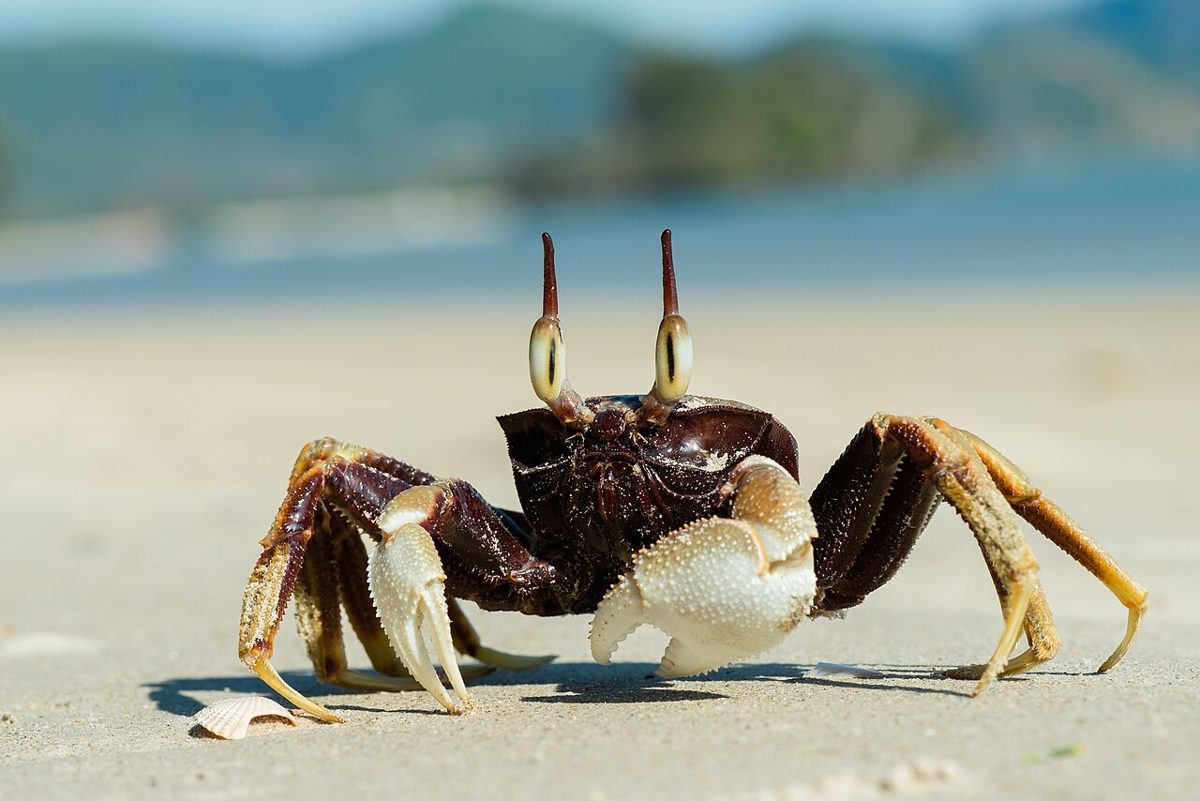
Wildlife. Olive Ridley turtles nest at the foot of the dunes. Ghost crabs, beetles and shorebirds live among the plants.
People. Dune legumes such as beach beans have been used for food, fodder and medicine.
Dunes are lost to sand mining, roads, buildings and boundary walls. Sea walls and groynes starve beaches of the sand that feeds the dunes. Casuarina plantations, often planted about 50 m from the shore, shade out native dune plants and lower the water table.
Vehicles and heavy foot traffic break up the plant cover. Plastic and tar balls also wash up on the sand. A Karnataka study warned that about 70 km of the state's roughly 300 km coast is vulnerable to severe erosion. Researchers also note that coastal rules alone have not kept dune vegetation safe.
Under India's Coastal Regulation Zone Notification of 2019, sand dunes are classed as CRZ-IA, the most protected category, along with turtle nesting grounds. Levelling or altering active dunes is prohibited. Only eco-friendly, temporary tourism facilities on stilts are allowed on dunes, sand mining is banned and dunes may be planted only with native species.
Walk on the wet sand or on marked paths. Do not drive, ride or pitch tents on the dunes. Do not pick dune plants or light fires among them. Stays set back from the shore protect the dunes too: see why we suggest not choosing a beachfront stay.
Plan your trip
Pick a stay, choose an itinerary and book online on the property's site or a booking platform.