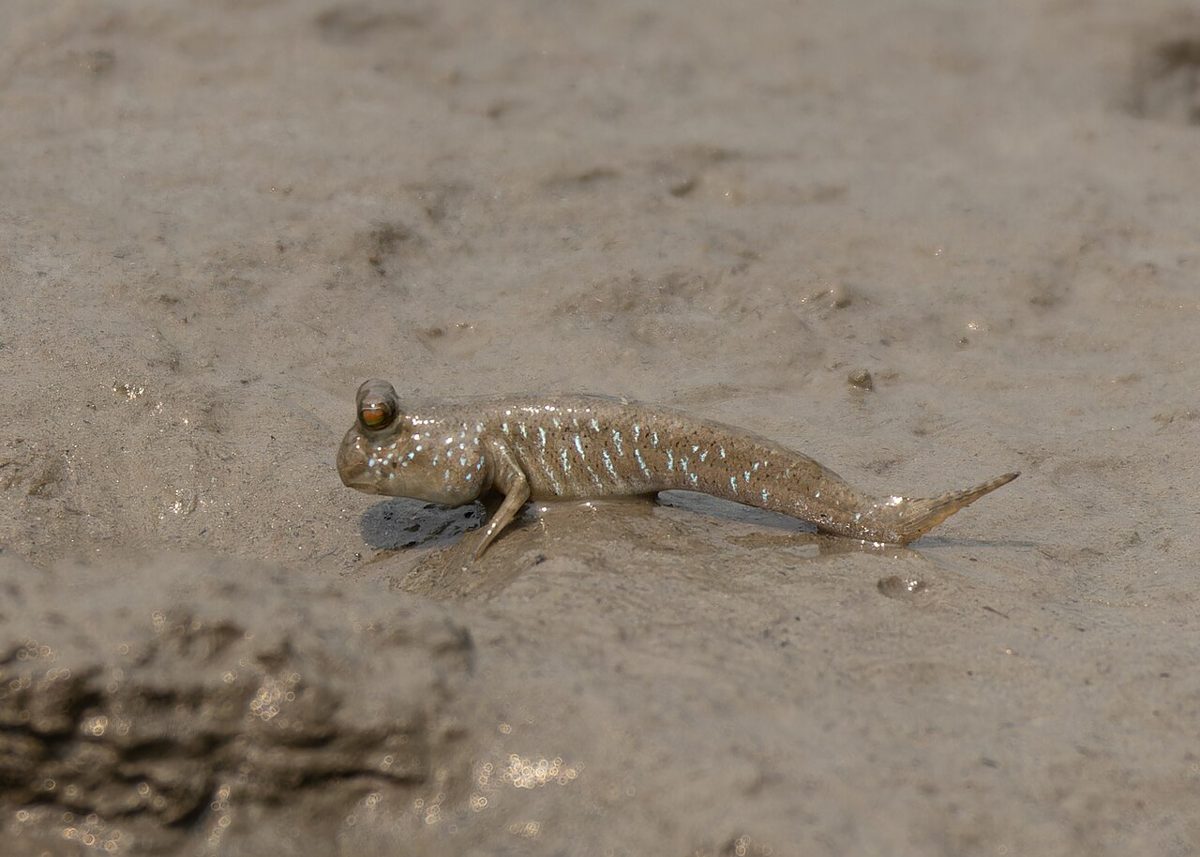
Mudskippers
Periophthalmus spp.
Fish that hop across the mud at low tide and breathe through their skin. Periophthalmus weberi is recorded in the estuary.
Photo: Tisha Mukherjee, CC BY-SA 4.0
Biodiversity · River
Where the Sharavathi River meets the Arabian Sea at Honavar, river and tide meet in a maze of channels, islands, mudflats and mangroves. It is a habitat shaped as much by people and dams as by nature.
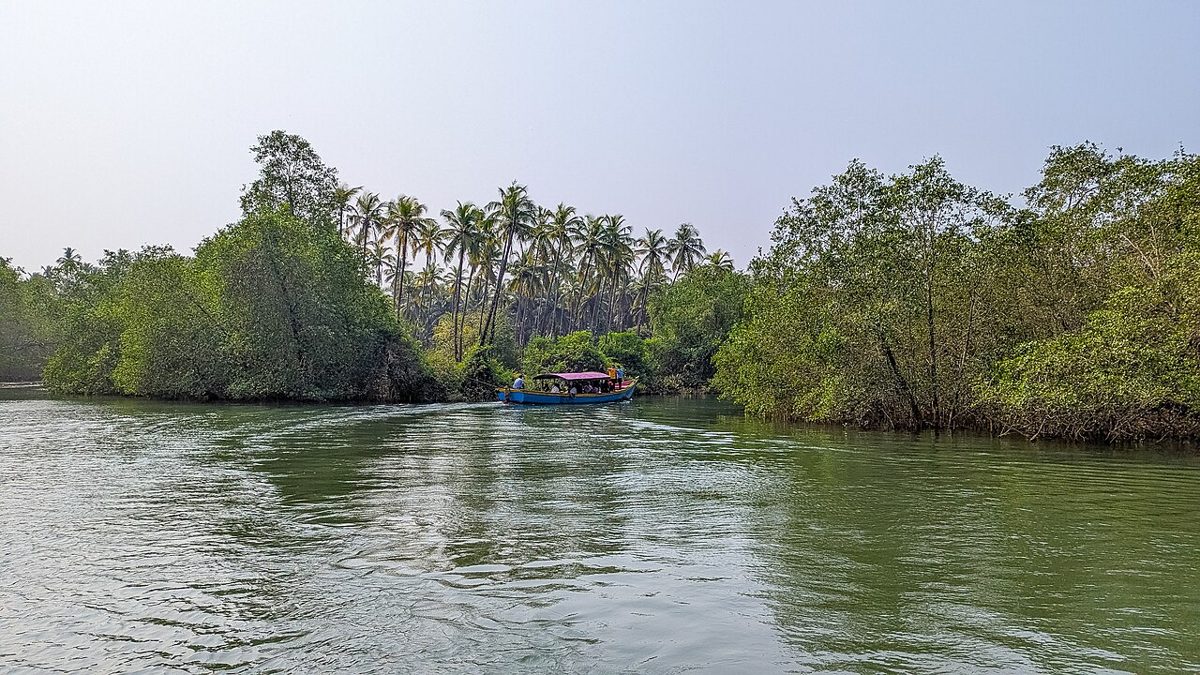
The river reaches the sea at Honavar, behind the long sand spit of Tonka and Kasarkod. About 8 km from the mouth it widens into a lagoon nearly 3 km across, dotted with islands such as Mavinkurve. The Badagani River forms part of the same estuary system.
A sand bar forms at the mouth and fine silt settles across much of the estuary. The tide pushes upstream for about 27 km, almost to Gerusoppa at the foot of the Ghats.
Most estuaries turn salty in the dry season, when the river is low. The Sharavathi River estuary does not. Water released all year from the hydroelectric power stations upstream keeps it fresh.
In December 2011, researchers from IISc measured 13.8 ppt salinity at high tide near the mouth, but only 0.67 ppt 6 km upstream. On the undammed Gangavali River further north, salinity near the mouth was 28.85 ppt. For most of the year, most of the Sharavathi River estuary stays below 0.5 ppt.
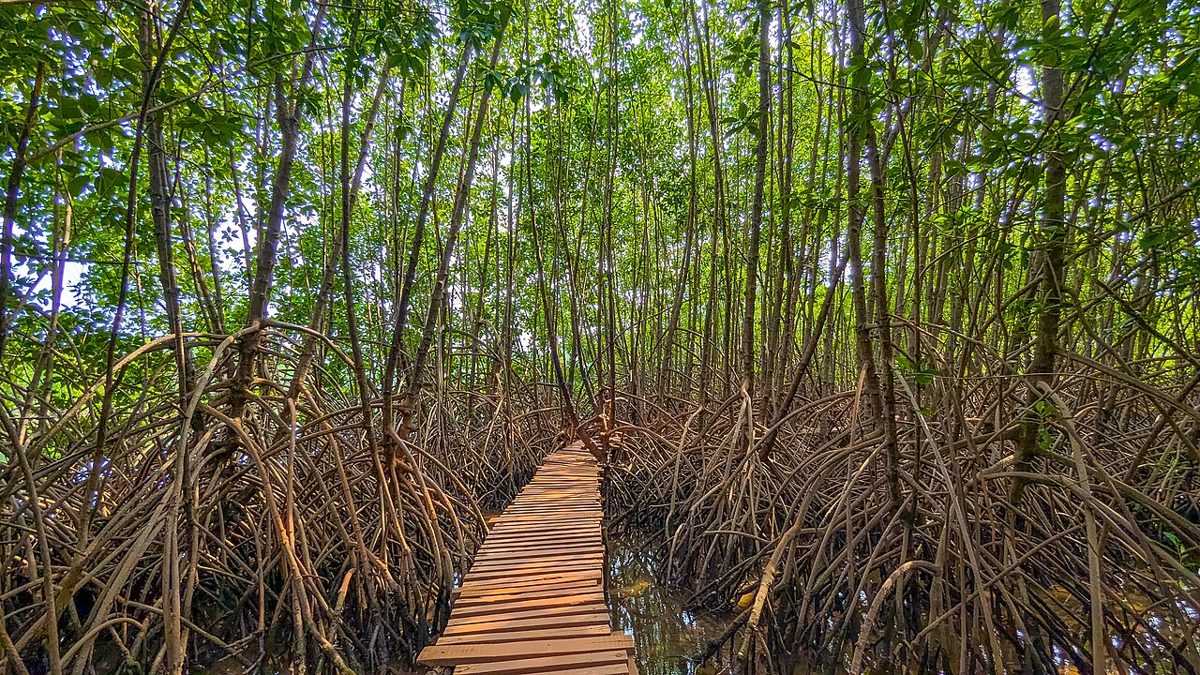
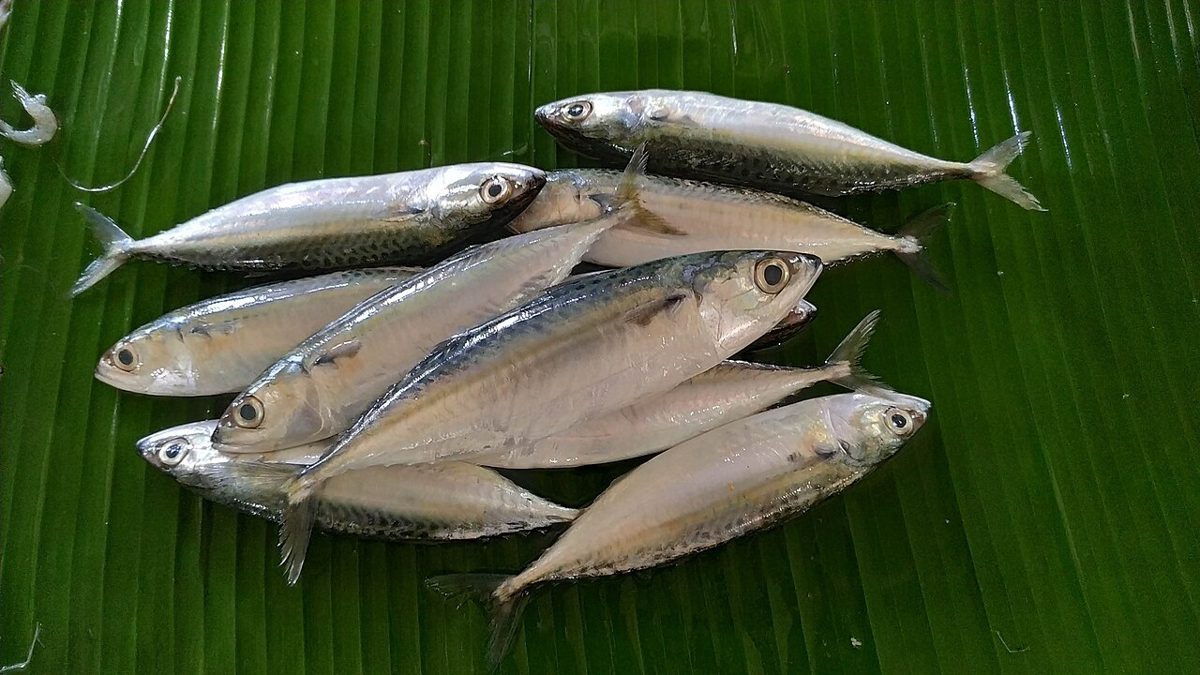
This has changed life in the estuary. Mangroves that like low salinity now dominate. The clam beds that once supported a fishery have almost disappeared. The estuary holds about half as many kinds of fish as the Aghanashini estuary to the north. Read more on the fish and fisheries and mangroves pages.
Periophthalmus spp.
Fish that hop across the mud at low tide and breathe through their skin. Periophthalmus weberi is recorded in the estuary.
Photo: Tisha Mukherjee, CC BY-SA 4.0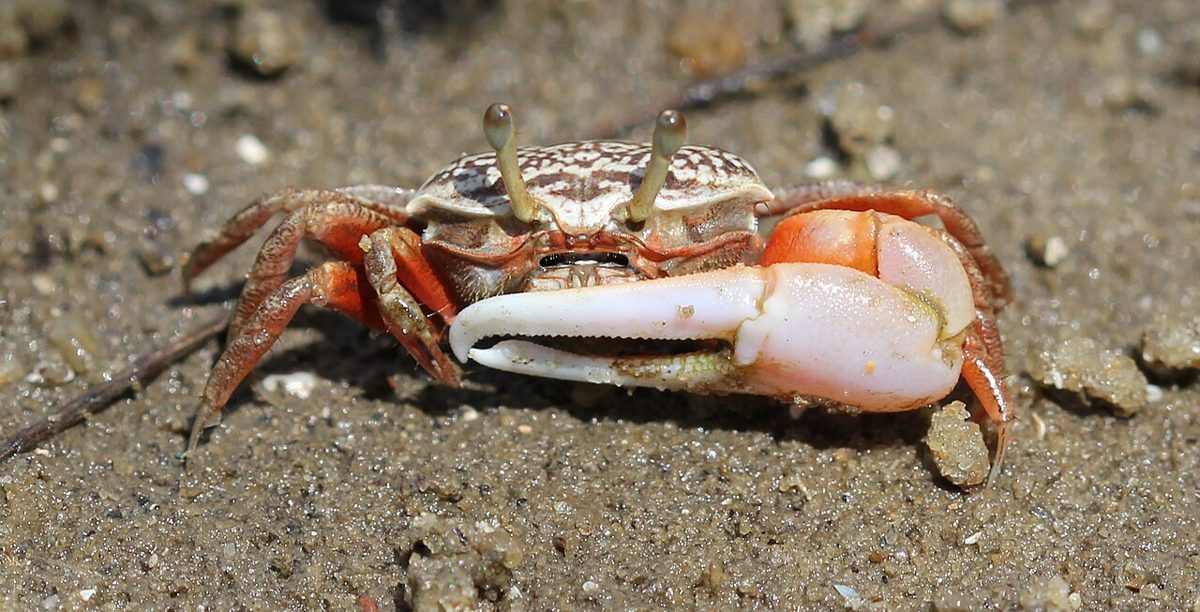
Uca spp.
Males wave one giant claw to attract mates and warn rivals. Look for them on mudflats near the mangroves.
Photo: Chinmayisk, CC BY-SA 3.0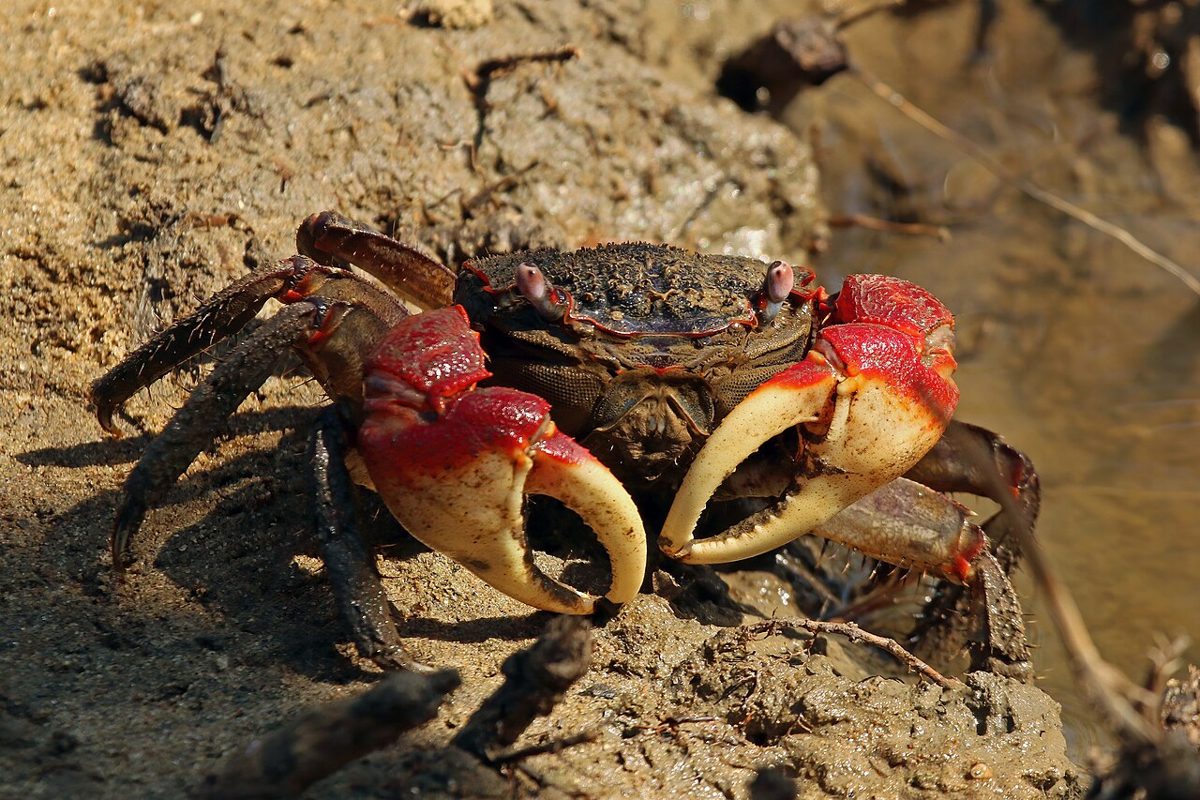
Sesarmid crabs
Red-clawed crabs that climb mangrove roots and shred fallen leaves, recycling nutrients into the mud.
Photo: Charles J. Sharp, CC BY-SA 4.0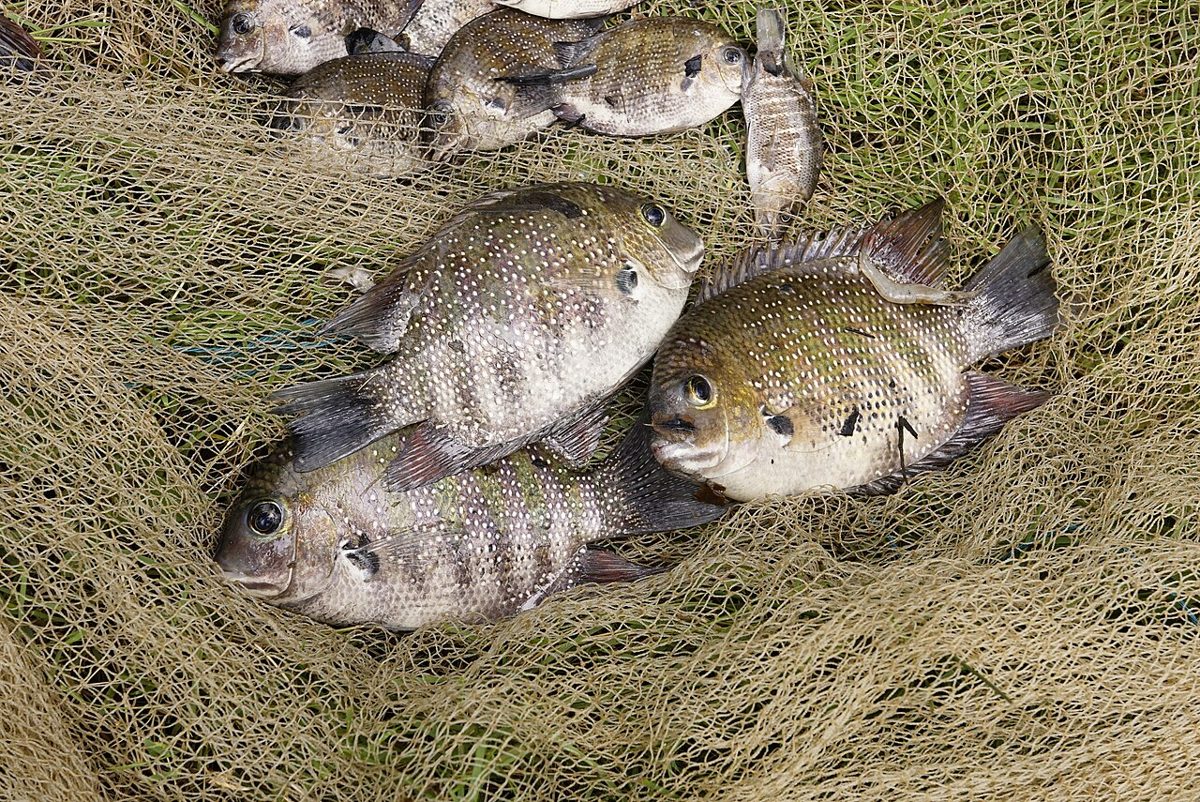
Etroplus suratensis
A brackish-water cichlid, one of the fish recorded in the estuary by IISc surveys.
Photo: Vengolis, CC BY-SA 4.0Brahminy kites, egrets, herons and kingfishers hunt along the channels all year. From November to February migrant waders feed on the sandbars. On the Tonka spit, Olive Ridley sea turtles nest in winter. See birds of Honavar.
Take a backwater boat ride at high tide, walk the Kandla mangrove boardwalk or join Saturdays for the Sea to walk the Tonka spit to the river mouth. Bring binoculars.
Plan your trip
Pick a stay, choose an itinerary and book online on the property's site or a booking platform.