

Culture
People & communities
Farmers of the areca gardens, fishing families of the river mouth, folk singers in bead necklaces and traders from Goa: Honavar's culture is the sum of many communities living side by side.
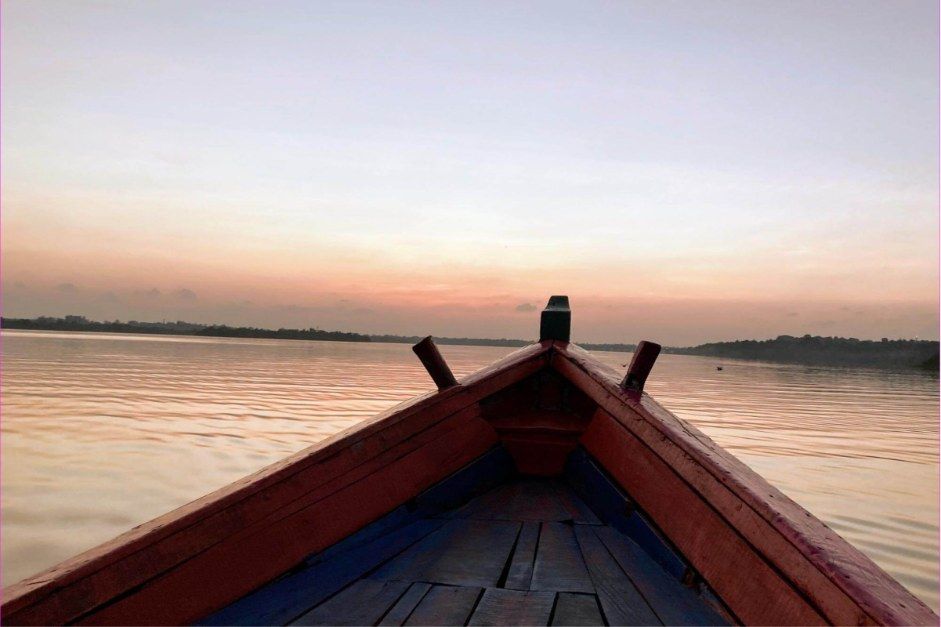
Communities
Halakki Vokkaligas
One of the oldest communities of Uttara Kannada, living in small hamlets (koppa) in the Karwar, Ankola, Kumta, Gokarna and Honavar taluks. Halakki women are known for their rows of coloured bead necklaces, worn with a sari draped without a blouse. The beads are family heirlooms. The community keeps a rich oral tradition: women sing the Ramayana as Seethekami and the Mahabharata as Pandavara kami. At Holi, the men tour the villages dancing the Suggi Kunita. Two Halakki women from neighbouring Ankola taluk received the Padma Shri: folk singer Sukri Bommagowda (2017) and the forest-keeper Tulsi Gowda.
Havyaka families
Havyaka Brahmins have long cultivated the areca, pepper and coconut gardens of the Honavar, Kumta, Sirsi and Siddapura belt. They speak Havigannada and are deeply linked to Yakshagana: the great artists Keremane Shivarama Hegde of Gunavante and Chittani Ramachandra Hegde came from Havyaka families. The Idagunji Mahaganapati temple is the family deity of many Havyakas.
Namadhari Naiks
Often described as the largest community in Uttara Kannada, the Namadhari Naiks (also called Hale Paika) farm, fish and trade across the district. They are traditionally organised in clans called bali. Village disputes were settled by an elder known as the buddhivanta.
Konkan Kharvis
The Kharvis are a Konkani-speaking fishing and seafaring community of the Karwar, Honavar and Bhatkal coast, who also use Kannada every day. Fishing at sea and in the river, drying and selling fish and handling boats are their traditional work. At Tonka, on the Kasarkod sand spit at the mouth of the Sharavathi River, the Konkani Kharvi Samaj brings the community together. Many leaders carry the surname Tandel. Kharvi families regard the Olive Ridley turtle as Kurma, an avatar of Vishnu. They are among the first to protect its nests on Tonka Beach. Other fishing communities of the district include the Harikantras.
Fishing villages and fish drying
Fishing villages line the shore at Kasarkod, Tonka, Pavinakurve and Manki, where families fish both the sea and the river. At Kasarkod and Tonka, women run the fish-drying trade on the sand. On Makara Sankranti fishermen and boat owners sail to the island of Basavaraj Durga to pray for safety at sea.
Gaud Saraswat Brahmins (GSB)
The Konkani-speaking Gaud Saraswat Brahmins came to Uttara Kannada from Goa, many of them in the second half of the 16th century, escaping forced conversions under the Portuguese. Traditionally traders, they were active in the coastal trade. The Pepper Queen Rani Chennabhairadevi of Gerusoppa sheltered Saraswat merchants and Konkani craftsmen. GSB families follow either the Kashi Math or the Gokarn Partagali Math. Portuguese pressure drove the Gokarn math from Madgao to Bhatkal. The Vrindavans (memorial shrines) of two of its pontiffs, Raghuchandra Tirtha (died 1683) and Lakshmikantha Tirtha (1707), are at Honavar, the first at the Sri Ram Mandir. Saraswat food uses coconut, kokum and tamarind. Many families count fish as part of a vegetarian meal.
Daivajnas and other Konkani families
Daivajna goldsmiths also came from Goa and set up their Jnaneshwari Peetha matha in Honavar. Bhandaris, Gabits, Ramakshatriyas and other Konkani-speaking families add their temples, festivals and food to the town's character.
Muslim families
Honavar has an old Muslim community of traders and seafarers, with mosques in the town and along the coast.
Catholic parishes
Honavar is a deanery of the Diocese of Karwar. The town parish of San Salvador (Holy Saviour) stands on RC Church Road. The oldest parish in the taluk, Our Lady of Remedies at Gundibail, dates from 1769. Village churches such as Mugwa celebrate their feasts in January.
Living together
Temples, churches and mosques stand within walking distance of one another in Honavar. Festivals are shared across communities. Yakshagana nights and the fish market bring everyone together.
When you visit villages, ask before photographing people, especially Halakki women in traditional dress. Dress modestly at places of worship.
More on Honavar's culture
Languages
Kannada, Konkani and old local dialects.
Read more →Festivals & temple fairs
A year of chariot festivals, Holi dances and sea pujas.
Read more →Folk arts
Suggi Kunita, gumate drums, Talamaddale and Yakshagana.
Read more →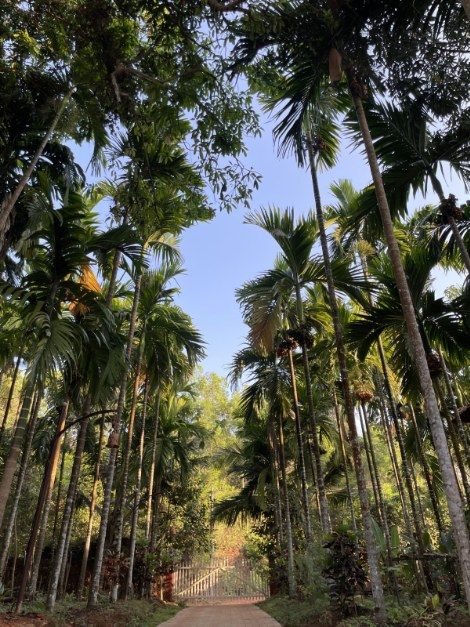
Arecanut plantations
Areca, pepper and spice gardens of the Malnad edge.
Read more →Sources: Halakki Vokkaliga · BuDa Folklore, Tribes of Uttara Kannada · Kamat's Potpourri: Halakki · Sukri Bommagowda · Tulsi Gowda · Havyaka Brahmins · Namadhari Naik · Kharvi · Bangalore International Centre: The Ocean Connection · ICSF: Honavar port and fisherfolk · Gaud Saraswat Brahmin · Kamat's Potpourri: Saraswats · Gokarna Math · Saraswat cuisine · Behanbox on Kasarkod's women fish workers · Daivadnya Brahmin · UCAN parish directory, Karwar diocese
Plan your trip
Ready for the river and the sea?
Pick a stay, choose an itinerary and book online on the property's site or a booking platform.