

Biodiversity · Coast
Sandy shores vs rocky shores
Honavar has both kinds of shore. They work in very different ways. Knowing the difference helps you enjoy them and choose a stay that does not harm them.
At a glance
| Sandy shore | Rocky shore | |
|---|---|---|
| Made of | Loose sand, moved by waves, wind and the river | Solid rock: granitic gneiss capped with laterite |
| Changes | Every season: sand spits grow, beaches erode or build up | Very slowly, over centuries |
| How life copes | Animals burrow or come and go with the tide and the night | Animals and seaweeds cling on in bands at fixed heights |
| Typical life | Ghost crabs, clams, shorebirds, dune plants, nesting turtles | Barnacles, rock oysters, limpets, snails, anemones, seaweeds |
| Why it matters | Dunes buffer storms, recharge groundwater and host turtle nests | Rich, accessible marine life; oysters and mussels for food |
| Near Honavar | Pavinakurve, Tonka, Kasarkod, Apsarakonda, Manki | Apsarakonda point, Basavaraj Durga, Murudeshwar, Netrani |
| Visit by | Walking on wet sand and keeping off the dunes | Going at low tide in calm weather with good shoes |
Read more about sandy beaches, sand dunes and rocky shores.
Why we suggest you skip the beachfront stay
It is tempting to book a room right on the sand. Around Honavar we gently suggest staying a little inland instead, by the river, in a village or among the areca gardens. The beach is only a few minutes away. Here is why it matters.
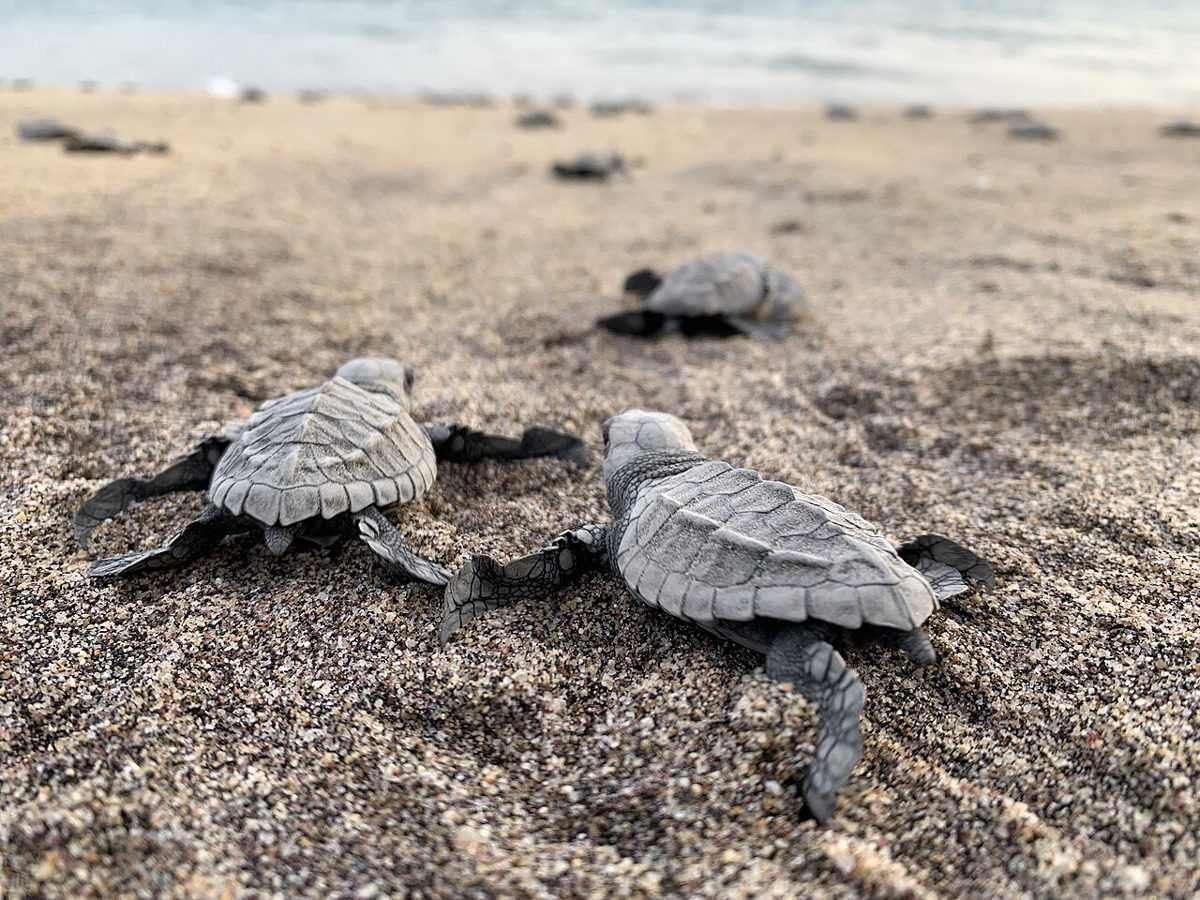
The beach is a turtle nursery. Olive Ridley turtles nest on the sandy beaches from Apsarakonda to Pavinakurve between October and April. India's 2019 coastal rules list turtle nesting grounds and sand dunes in the most protected category, CRZ-IA. They also bar activities that cause light or sound pollution around nesting grounds. About the turtles →
Lights confuse hatchlings. Baby turtles find the sea by heading for the brightest horizon. Lights from buildings pull them inland instead, where they die of exhaustion, dogs or traffic. At Rushikulya in Odisha, lighting misdirected as many as half of the hatchlings in some years. Even dim lights visible from the beach can do harm.
The shore is moving. Kasarkod and Apsarakonda are among the beaches that are eroding. Buildings on the sand are followed by sea walls. A study of Karnataka's coast found sea walls on 36% of the beach stretches surveyed. More than half the fishers asked blamed sea walls and erosion for the loss of nesting beaches. Sea walls also push erosion on to the neighbouring shore.
Dunes get flattened. Gardens, parking and boundary walls on the beach remove the dune plants that hold the sand and protect homes behind them.
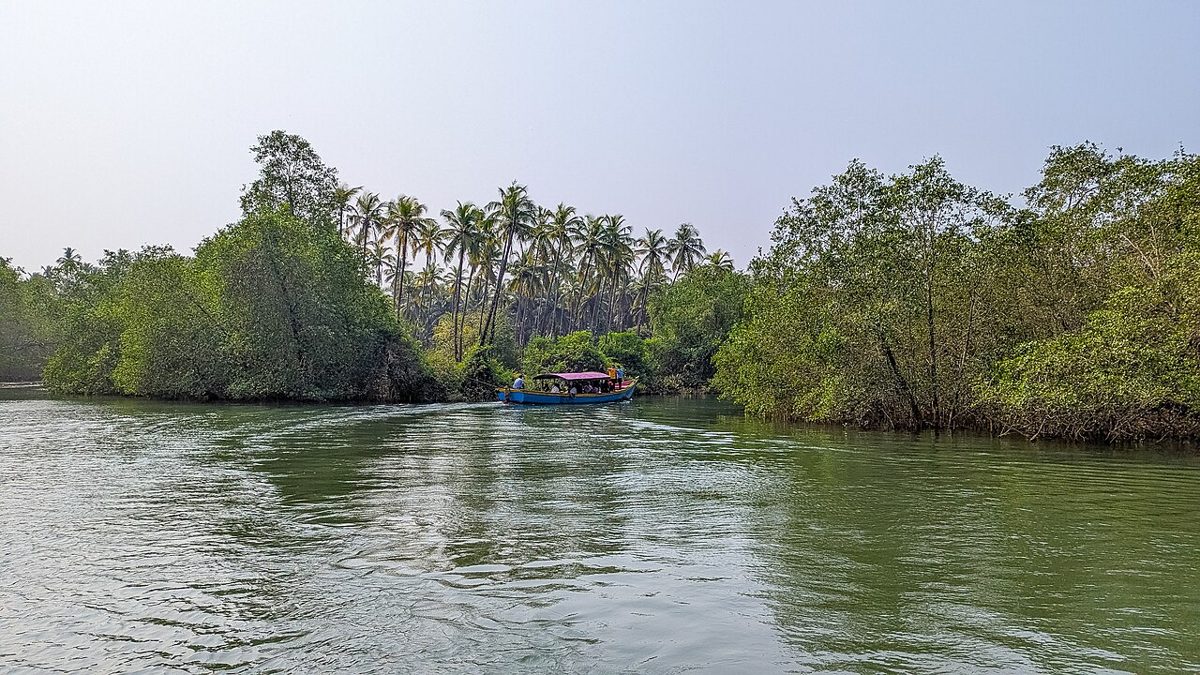
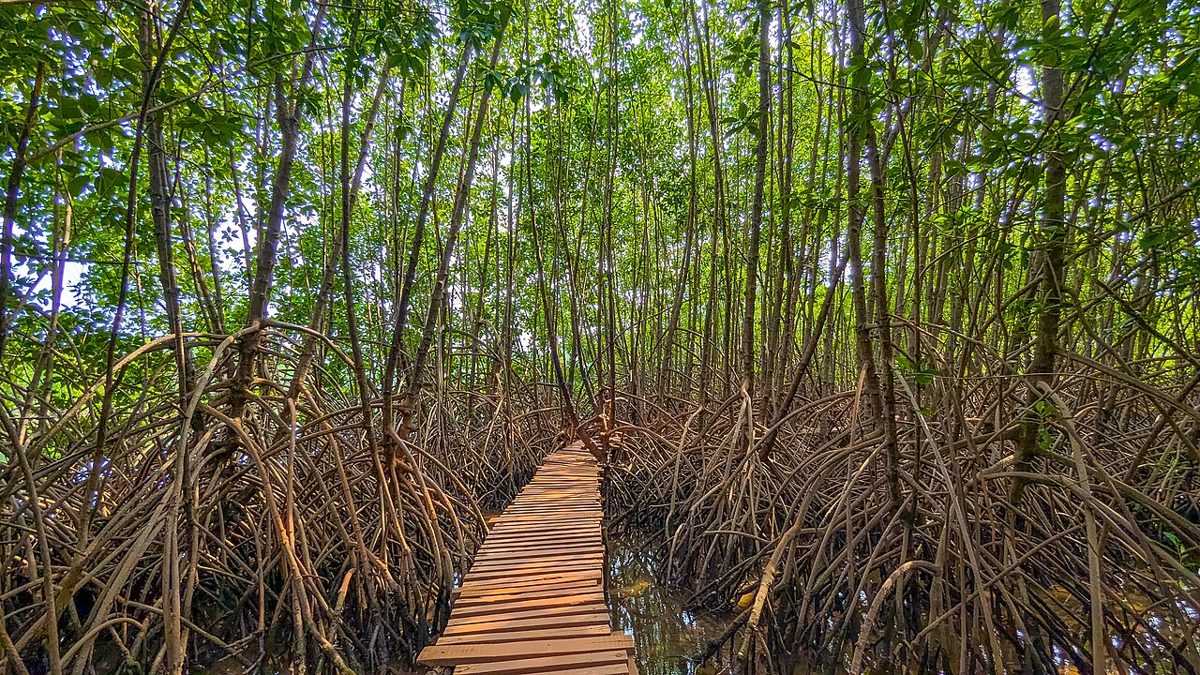
It is better for you too. Beachfront rooms take the full force of monsoon wind, waves and salt. Inland homestays are quieter and greener. They are also close to the river, the mangroves and the food of the town.
If you do stay near the beach
From October to April, keep outdoor lights off or shielded and draw the curtains at night. Do not light bonfires on the beach and do not use torches or flash photography near turtles.
Never drive or ride on the sand, keep off the dunes and keep dogs on a lead. If you see turtle tracks or a nest, keep away and tell the Forest Department or local fishers, who protect the nests.
Looking for a stay away from the sand? Browse homestays by the river and in the villages.
Research behind this page (9)
- Ministry of Environment, Forest and Climate Change (2019). Coastal Regulation Zone Notification, G.S.R. 37(E), 18 January 2019.
- Karnad D., Isvaran K., Kar C.S. & Shanker K. (2009). Lighting the way: towards reducing misorientation of olive ridley hatchlings due to artificial lighting at Rushikulya, India. Biological Conservation 142: 2083–2088.
- National Light Pollution Guidelines for Wildlife, endorsed at CMS COP13 (2020), summarised in Indian Ocean Turtle Newsletter 32.
- Sulochanan B., Veena S., Thomas S., Padua S. & Sobhana K.S. (2025). Anthropogenic and climate driven threats to sea turtle habitats on Karnataka's coastline. Regional Studies in Marine Science 91.
- Rodriguez S. et al. (2008). Policy brief: sea walls. ATREE / UNDP.
- Kankara R.S., Ramana Murthy M.V. & Rajeevan M. (2018). National assessment of shoreline changes along the Indian coast (1990–2016). National Centre for Coastal Research, Chennai.
- Press Information Bureau (4 December 2023). Coastal erosion: reply in Parliament with NCSCM data on eroding beaches.
- Vohra S. (2022). An upcoming port in Karnataka is shrinking space for olive ridley turtles. Mongabay-India, 15 July 2022 (journalism).
- Deccan Herald (10 January 2026). Port work halts Olive Ridley sea turtle nesting at Honnavar's Kasarkod Tonka beach.
Plan your trip
Ready for the river and the sea?
Pick a stay, choose an itinerary and book online on the property's site or a booking platform.