

Biodiversity · Science
Threats & conservation
Honavar's nature faces real pressures, from dams and a proposed port to plastics and road kills. Here is what research and reports say, along with the people and laws working to protect it.
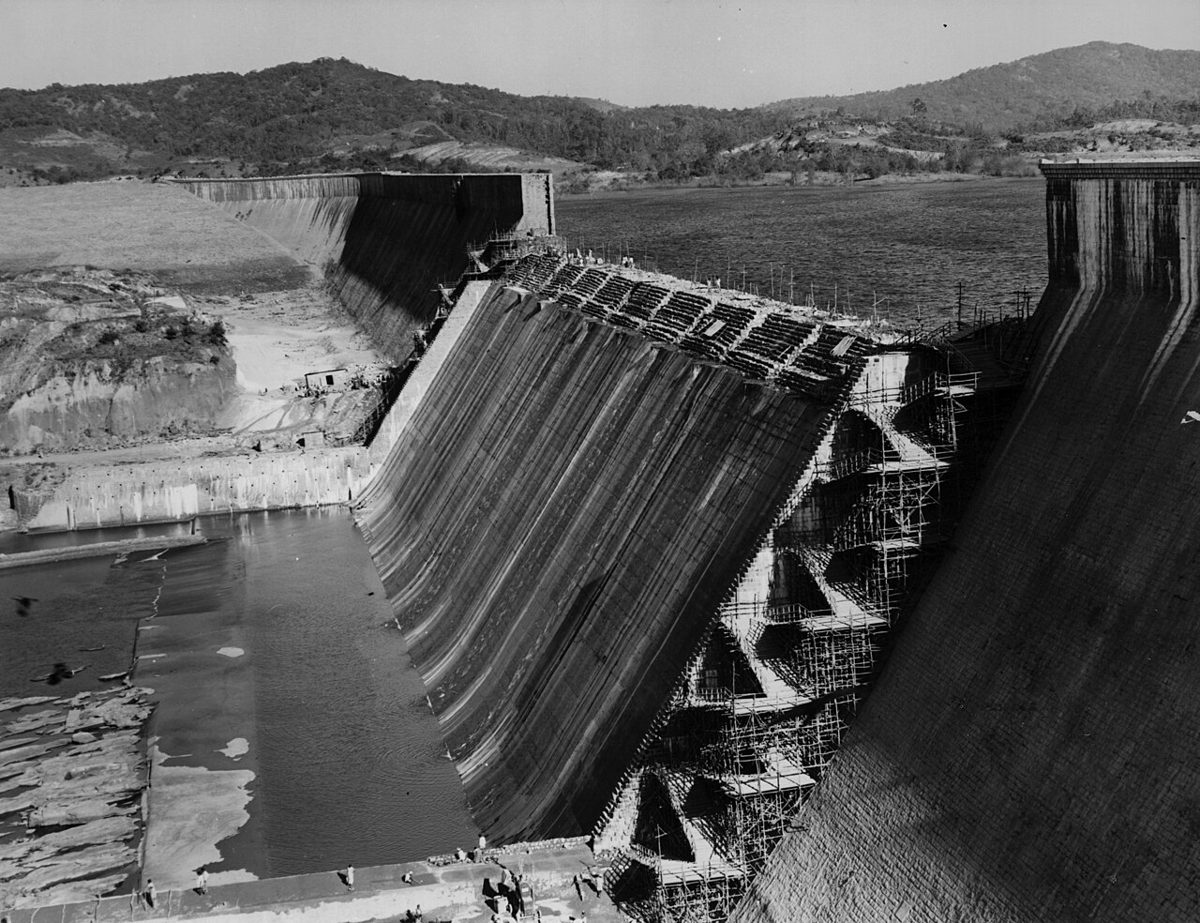
Dams on the Sharavathi River
The Sharavathi River is one of Karnataka's most important sources of hydroelectric power. The Linganamakki dam (1964) feeds the 1,035 MW Sharavathi Generating Station. The Gerusoppa dam (completed around 2002) feeds the 240 MW Sharavathi Tail Race project.
Studies by IISc show that releasing water all year has kept the estuary almost fresh. This changed the mix of mangroves, ended the clam fishery and roughly halved fish diversity compared with nearby estuaries. Reservoirs also submerged large areas of forest. See the estuary.
Sharavathi pumped storage project
Karnataka Power Corporation has proposed a 2,000 MW underground pumped storage project between the Talakalale and Gerusoppa reservoirs, inside the Sharavathi LTM sanctuary. It would need about 54 ha of forest land in the original plan.
The State Board for Wildlife approved it in January 2025 and the National Board for Wildlife's standing committee gave in-principle approval with conditions in July 2025. Public hearings in September 2025 received thousands of objections. In November 2025 the central Forest Advisory Committee deferred approval. An expert team's report in February 2026 did not recommend it. In March 2026 the Karnataka High Court ordered no work on the ground without its further orders. In 2026 the corporation scaled down planned tree felling. A review then recommended a smaller forest diversion. As of October 2026 a decision was still pending.
The port at Kasarkod and Tonka
A private, mainly coal port has been proposed on about 44 ha near the river mouth at Kasarkod and Tonka, on the nesting beach of Olive Ridley turtles and next to fishing villages. Its environmental clearance was first granted in 2012 and renewed in December 2024. Appeals against it were dismissed by the National Green Tribunal in June 2025. See conservation challenges on the turtle beach.
Other pressures
Plastics: sediments of Western Ghats rivers, including the Sharavathi River, held up to 57 pieces of microplastic per kg before the monsoon.
Metals: a study of three Karnataka estuaries found dissolved copper above the US EPA guideline only in the Sharavathi River estuary.
Dogs and lights: feral dogs destroyed about 700 turtle eggs at Kasarkod-Tonka in 2024. Bright lights also confuse hatchlings.
Roads: roads through forest kill frogs, snakes and even lion-tailed macaques.
Erosion and coastal building: sea walls, sand mining and construction remove the dunes that protect the shore.
People protecting nature
Forest Department: turtle nesting at Kasarkod was first recorded in 1984. Honavar had one of Karnataka's first turtle hatcheries. The Honavar range has kept a nest register since 2015.
Fishing families: fishers at Tonka and Apsarakonda report nests, guard eggs and help release hatchlings. Young fishers have run turtle awareness programmes.
Local groups: Canara Green Academy, founded in 2005, has worked with fishers at Kasarkod. Honavar Foundation runs Saturdays for the Sea beach walks and clean-ups.
Laws and plans: the expanded Sharavathi LTM sanctuary (2019), its eco-sensitive zone (2023) and the proposed Karwar–Honavar marine sanctuary (approved in principle in 2020).
Visitors: follow the tips on our biodiversity page, carry your plastic home and choose local, seasonal food.
Research behind this page (10)
- Boominathan M., Ravikumar G., Subash Chandran M.D. & Ramachandra T.V. (2014). Impact of hydroelectric projects on bivalve clams in the Sharavathi estuary of Indian west coast. The Open Ecology Journal 7: 52–58.
- Bhat M., Nayak V.N., Subash Chandran M.D. & Ramachandra T.V. (2014). Impact of hydroelectric projects on finfish diversity in the Sharavathi River estuary of Uttara Kannada district, central west coast of India. International Journal of Environmental Sciences 5(1): 58–66.
- Ramachandra T.V., Subash Chandran M.D., Joshi N.V. & Shalini Kumar (2012). Conservation of endangered fauna in Sharavathi river basin. ENVIS Technical Report 22, Centre for Ecological Sciences, Indian Institute of Science (IISc), Bengaluru.
- Amrutha K. et al. (2023). Assessment of pollution and risks associated with microplastics in the riverine sediments of the Western Ghats. Environmental Science and Pollution Research 30: 32301–32319.
- D'Souza N. et al. (2023). Risk assessment and spatio-temporal distribution of dissolved trace metals in Swarna, Sharavati and Kali estuaries. Environmental Science and Pollution Research 30(4): 9914–9931.
- Gupta A., Amulya M., Malik R. & Sharma S. (undated). Gauging the impacts of port and ancillary construction on the ecology and the fishing community in the Sharavathi River estuary. Student report (grey literature).
- Vohra S. (2022). An upcoming port in Karnataka is shrinking space for olive ridley turtles. Mongabay-India, 15 July 2022 (journalism).
- Bhat N.D. (2007). Proceedings of the workshop on the conservation of sea turtles and mangroves at Honnavar, Karnataka. Indian Ocean Turtle Newsletter 5.
- Seshadri K.S., Yadav A. & Gururaja K.V. (2009). Road kills of amphibians in different land use areas from Sharavathi river basin, central Western Ghats, India. Journal of Threatened Taxa 1(11): 549–552.
- Deccan Herald (22 December 2023). Eco-sensitive zone notified for Sharavathi Valley Lion-tailed Macaque Sanctuary.
More biodiversity
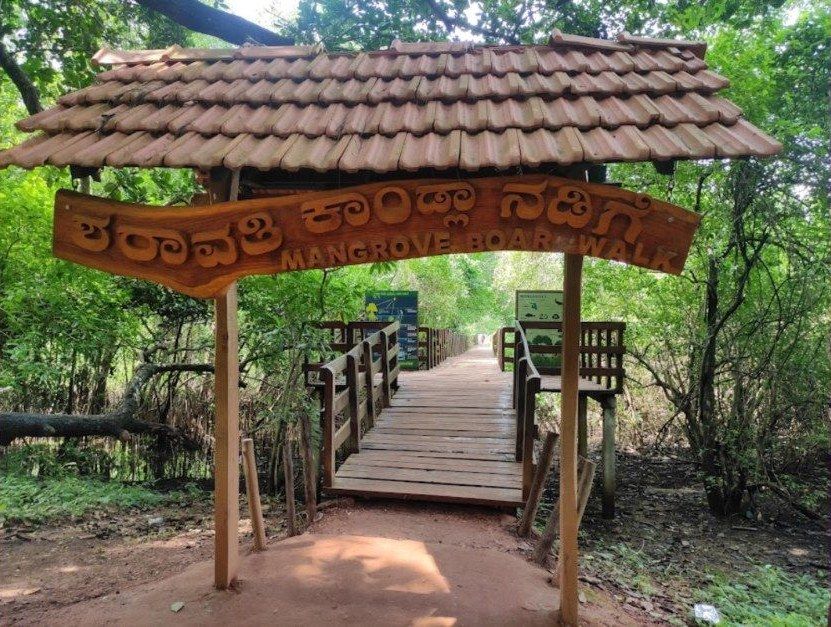
Research papers
Published studies on Honavar's nature.
Read more →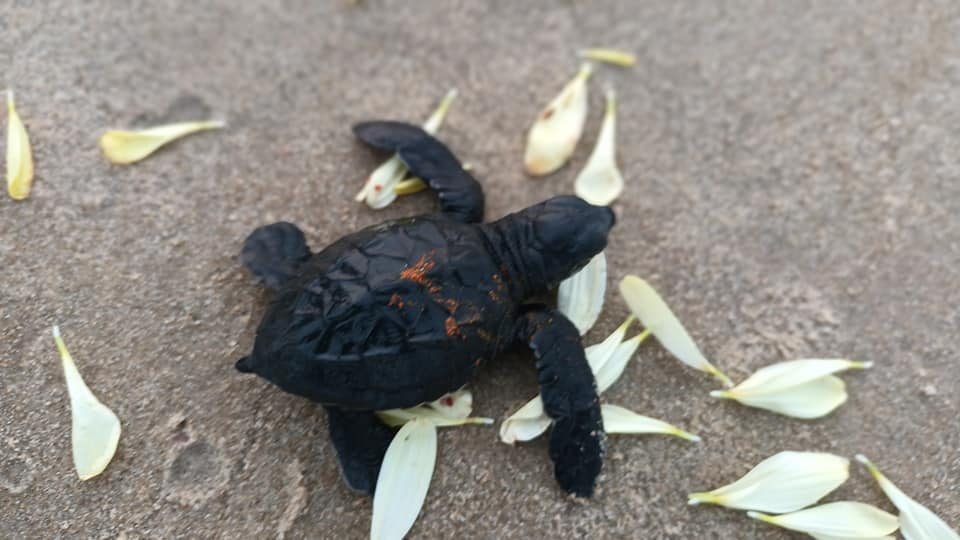
Olive Ridley sea turtles
Nesting on Tonka Beach every winter.
Read more →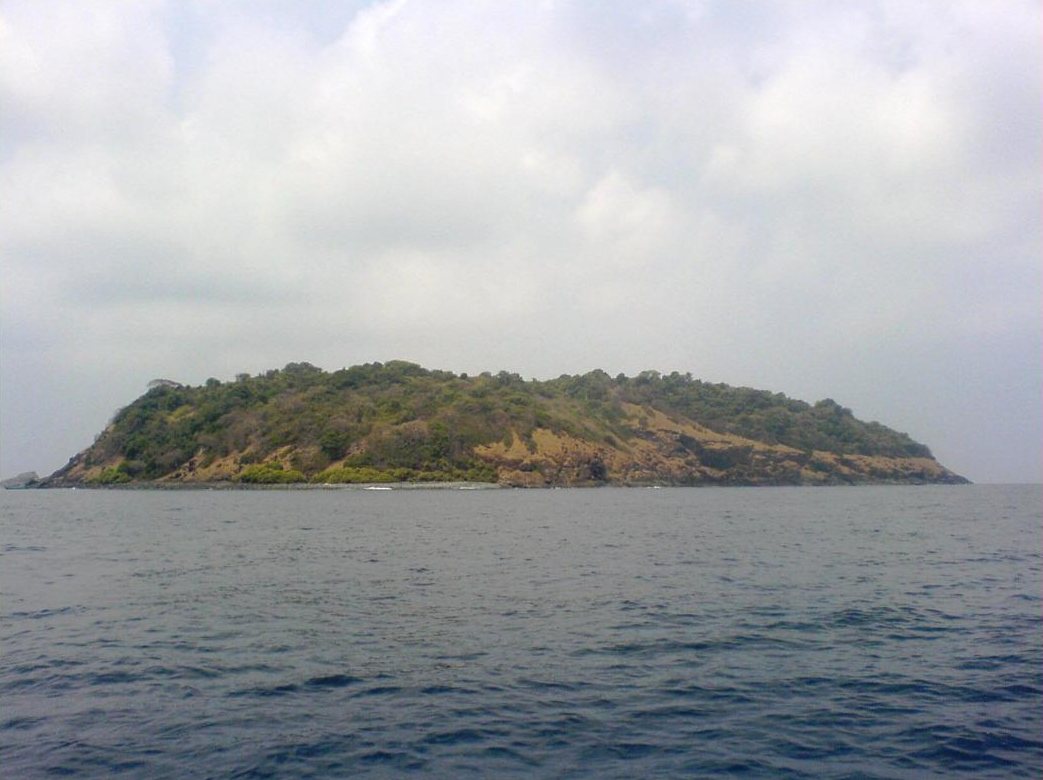
Coral & marine life
Reefs, fish, sea turtles and the productive Arabian Sea.
Read more →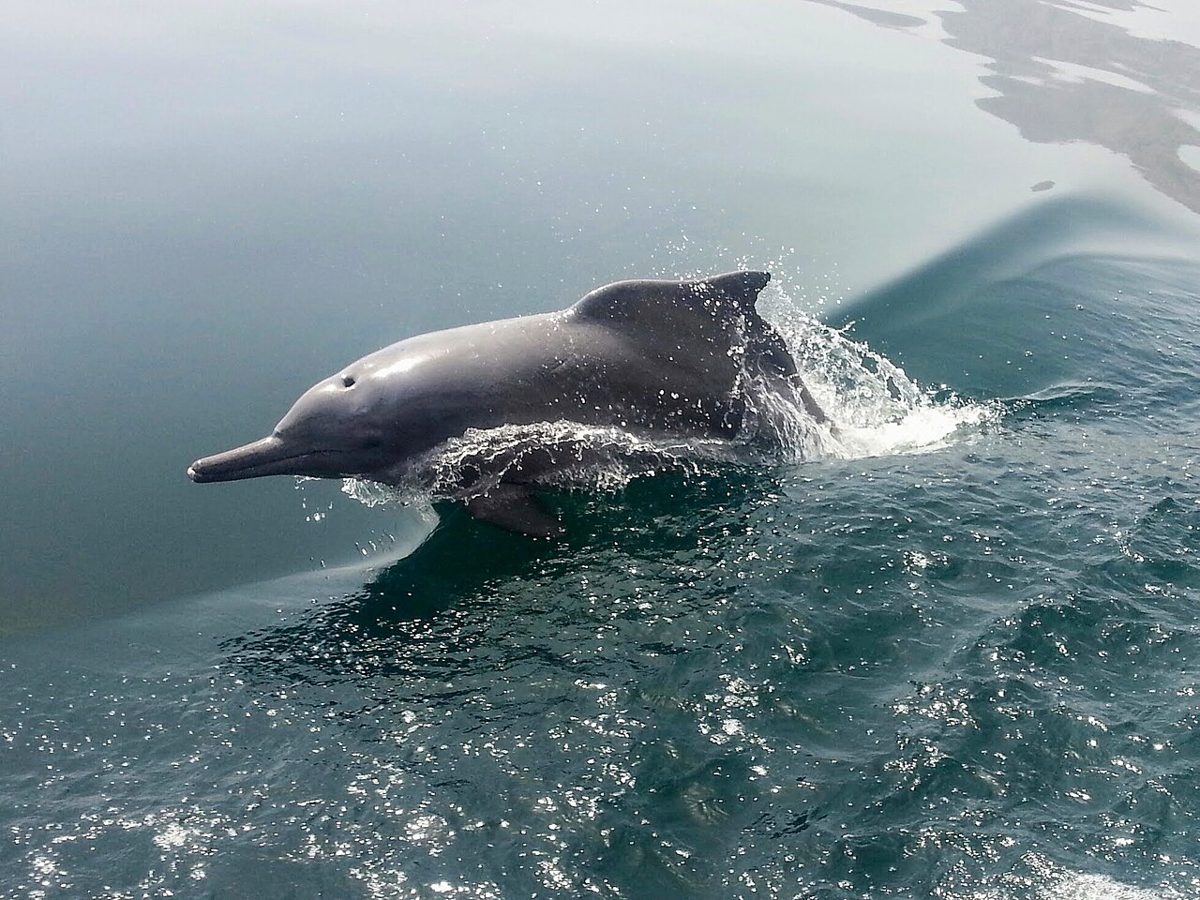
Dolphins & porpoises
Humpback dolphins and finless porpoises of the Kanara coast.
Read more →Plan your trip
Ready for the river and the sea?
Pick a stay, choose an itinerary and book online on the property's site or a booking platform.