

Olive Ridley sea turtles
Conservation challenges
Tonka Beach is a small nesting ground on a changing coast. These are the pressures it faces, from development and lights to stray dogs and plastic.
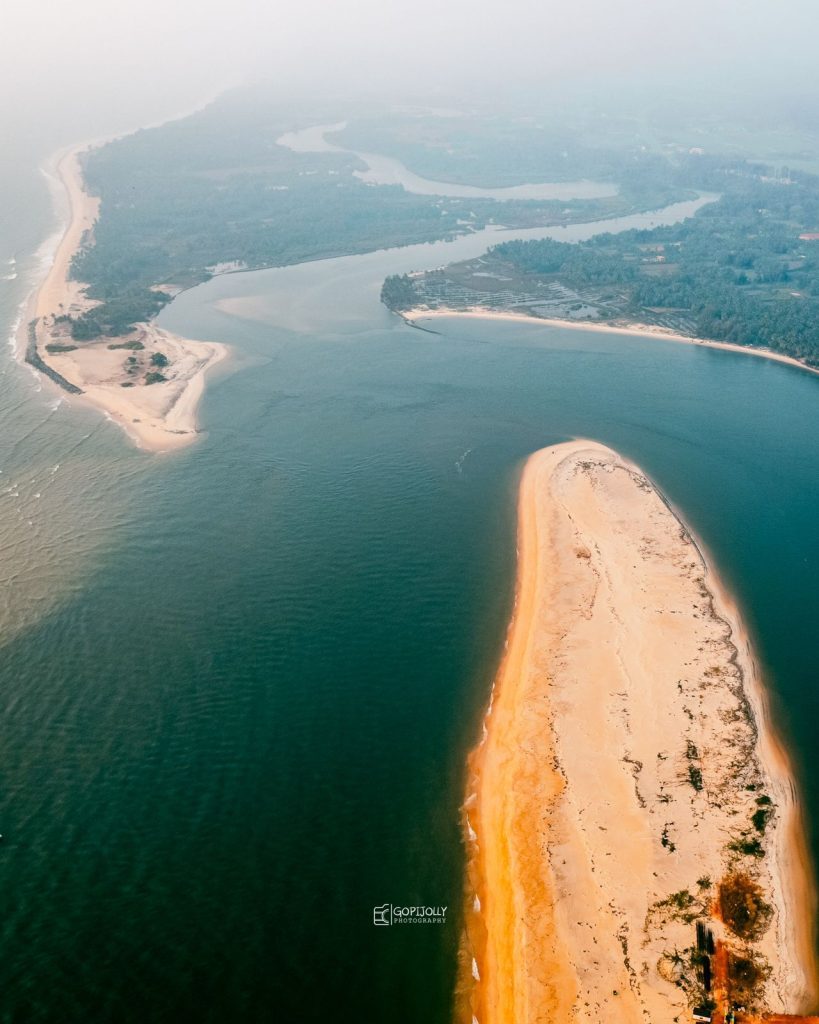
A fragile sand spit
The Sharavathi River meets the Arabian Sea at Tonka, forming an estuary rich in marine life, with mangrove forests nearby. The spit itself is a moving landform: satellite images show that the river mouth has shifted over the years.
Tonka has long had a small number of Olive Ridley nests every year. Because females return to the beach where they hatched, every nest that survives helps keep the nesting ground alive for the future.
The spit is also home to fishing families who have lived here for generations. Their knowledge of the beach is the main reason nests are found and protected.
Pressures on the nesting beach
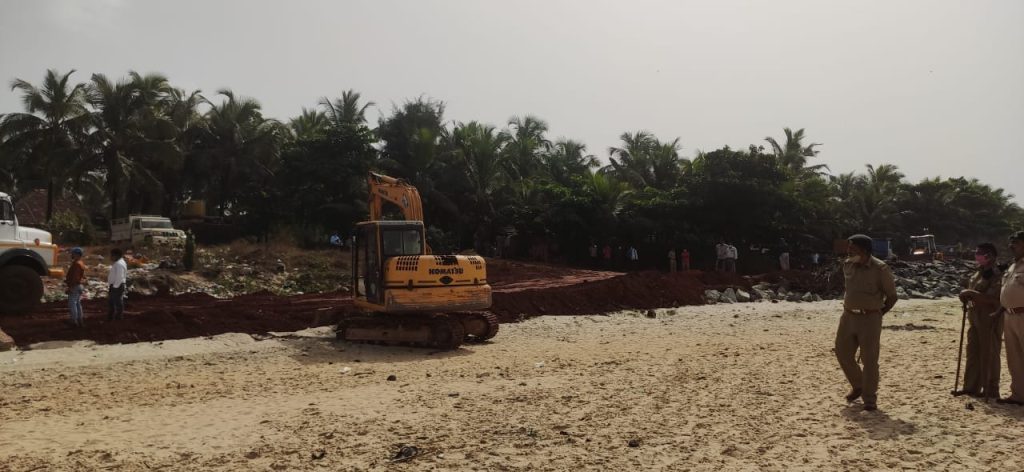
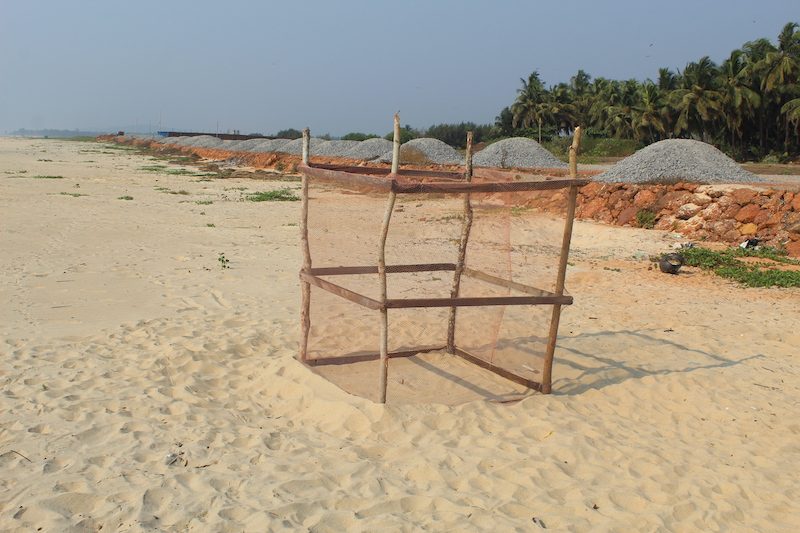
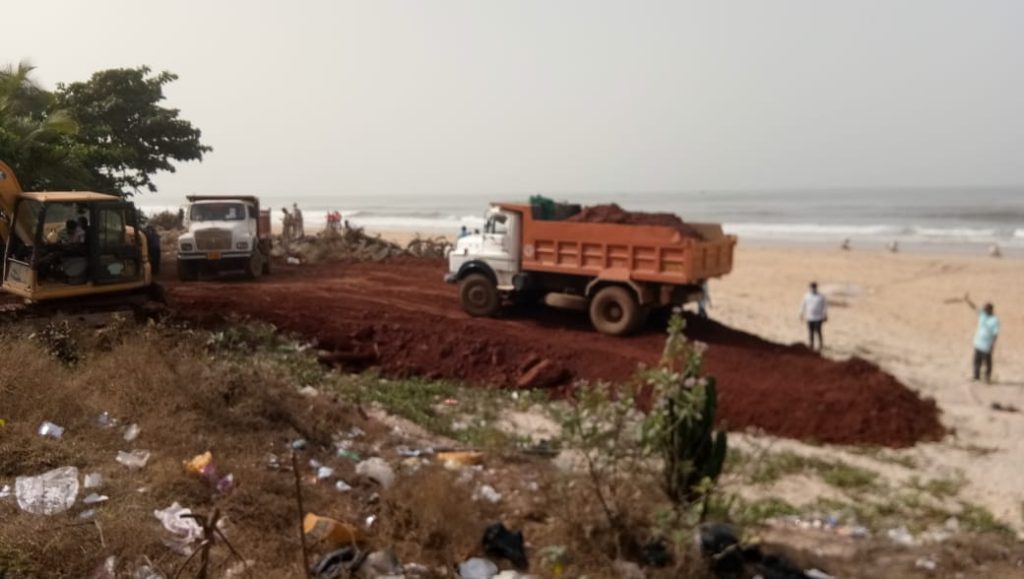
Development on the shore: a commercial port has been proposed on the spit, with a road along the shore. Turtles need wide stretches of soft, dark sand to dig their nests. Stone, mud and paved surfaces on the beach reduce the space they can use.
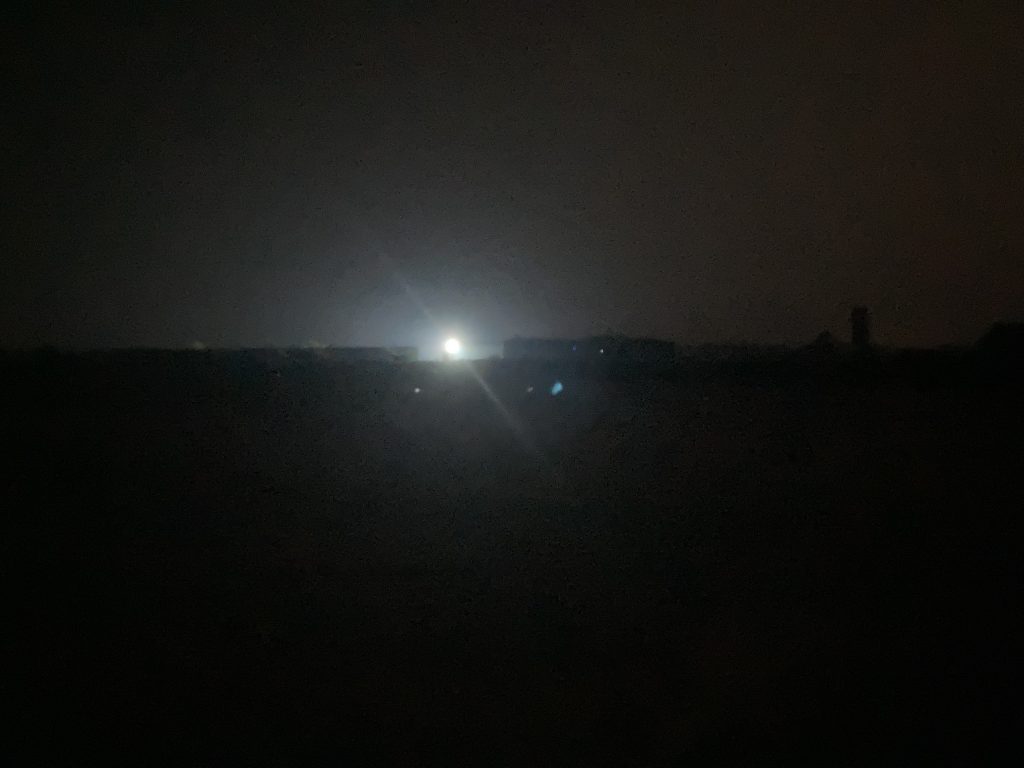
Artificial light: nesting females prefer dark beaches. Hatchlings find the sea by moving towards the brightest horizon. Lights on or near the beach at night can confuse both.
Stray dogs and predators: dogs, crabs and birds dig up nests. In March 2024 stray dogs destroyed about 700 eggs at Tonka, which is why nests are fenced or moved to hatcheries.
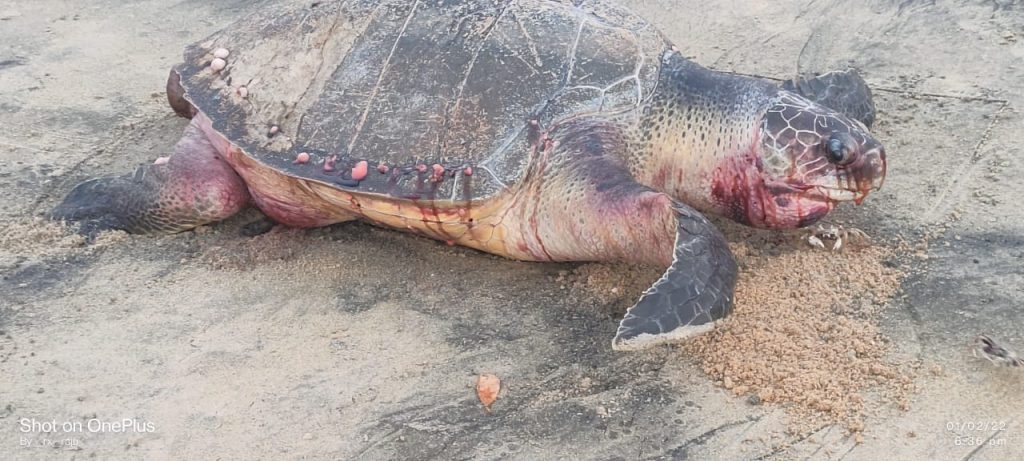
Plastic and fishing nets: turtles mistake plastic for food and can drown when caught in nets at sea.
Gaps in records: a 2021 survey by the National Centre for Sustainable Coastal Management, Chennai reported no nests at Honavar. It was carried out in August, outside the nesting season, which shows why surveys need to be made between December and April.
Legal protection
All sea turtles in India are protected under Schedule I of the Wildlife (Protection) Act, 1972. Coastal land use is governed by the Coastal Regulation Zone (CRZ) rules.
The National Green Tribunal heard a case on the proposed 4 km port road in 2023, including its location in the Coastal Regulation Zone and its effect on turtle nesting at Kasarkod beach. It gave its judgement on 26 September 2023. Read the August 2023 NGT order (PDF).
For the latest developments see the news page. To learn how visitors can help, see conservation and responsible visits.
Plan your trip
Ready for the river and the sea?
Pick a stay, choose an itinerary and book online on the property's site or a booking platform.